- Understanding Your Uninvited Guests: Common Pool Water Bugs
- Why Are Water Bugs Attracted to Your Pool?
- Proactive Prevention: Keeping Bugs Out
- Dealing with an Existing Infestation of Water Bugs
- Long-Term Maintenance for a Bug-Free Oasis
Water Bugs: No one wants these unwelcome guests sharing their swimming space. For many pool owners, the sight of tiny critters skittering across the surface or lurking beneath can quickly turn a refreshing dip into an unsettling experience. These aquatic insects, while generally harmless, are a clear indicator that something within your pool’s ecosystem is out of balance. This ultimate guide will equip you with all the knowledge and strategies you need to effectively identify, prevent, and eliminate water bugs, ensuring your pool remains a pristine, inviting oasis with minimal effort.
Understanding Your Uninvited Guests: Common Pool Water Bugs
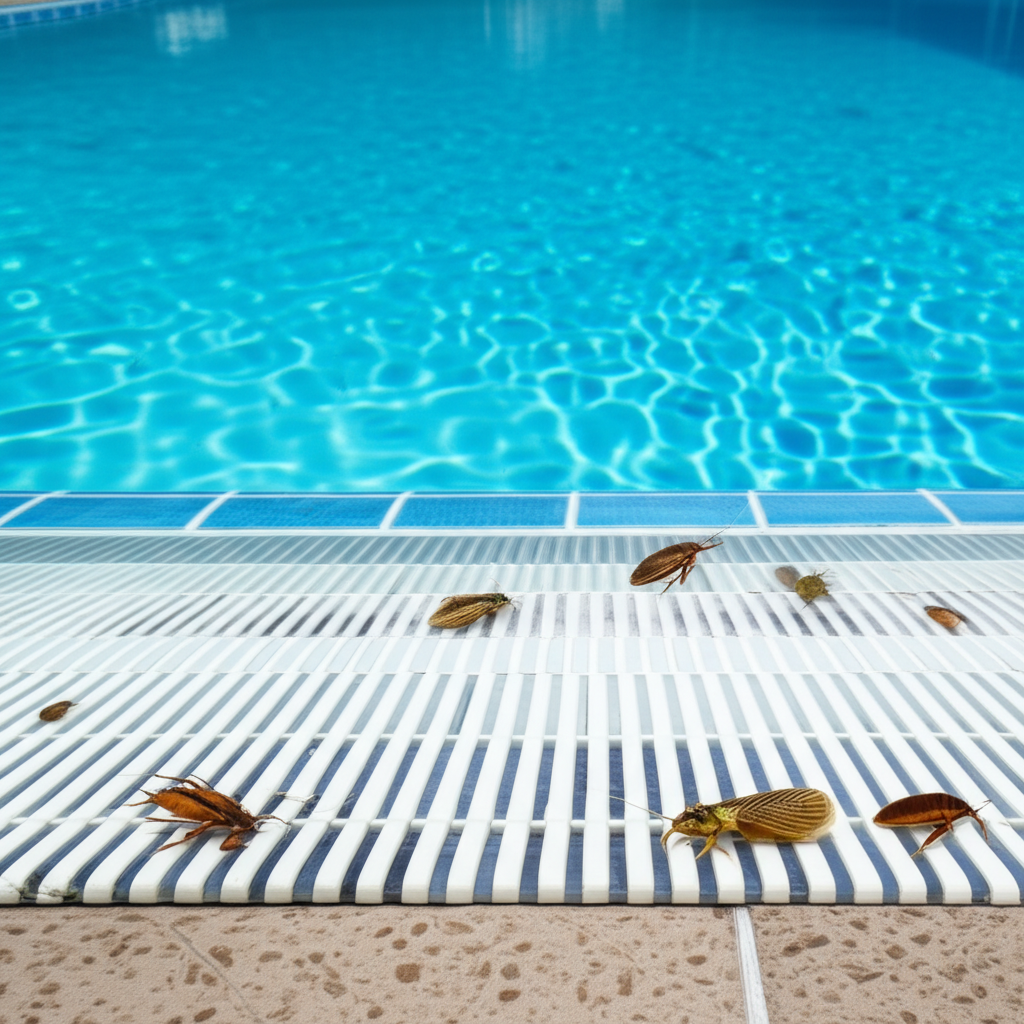
Before you can tackle a problem, you need to understand your adversary. Several types of water bugs might take up residence in your pool, each with distinctive characteristics:
1. Water Boatmen (Corixidae): These oval-shaped, small grey-brown insects are typically 1/4 to 1/2 inch long. They swim by rowing themselves forward with their long hind legs and are often found near the bottom of the pool or clinging to submerged surfaces. Water boatmen feed primarily on algae and decaying organic matter, making an algae-rich pool an irresistible buffet.
2. Backswimmers (Notonectidae): Similar in size to water boatmen, backswimmers are easily identified by their habit of swimming upside down, with their pale undersides facing upwards. They also use long, oar-like hind legs to propel themselves. Unlike water boatmen, backswimmers are predatory, feeding on other small aquatic insects, mosquito larvae, and even water boatmen. They possess a painful bite, akin to a bee sting, though they generally only bite humans if provoked or trapped.
3. Giant Water Bugs (Belostomatidae): These are the largest of the common water bugs, sometimes growing up to 2 inches long. They are strong fliers and formidable predators, known to hunt small fish, frogs, and other insects. While less common in well-maintained pools, their presence is definitely alarming, and they can deliver a very painful bite.
4. Diving Beetles (Dytiscidae): These dark, oval-shaped beetles breathe by carrying an air bubble under their wing covers. Both adults and larvae are predatory, feeding on other aquatic insects and larvae. Their larvae, often called “water tigers,” are particularly voracious.
The common thread among most of these bugs is their attraction to algae and stagnant water, which provide both a food source and a breeding ground.
Why Are Water Bugs Attracted to Your Pool?
Several factors can turn your sparkling pool into a bug magnet:
Algae Growth: This is the most significant draw, especially for water boatmen. Algae provides a direct food source and creates an environment where other microscopic organisms thrive, which in turn attracts predatory bugs like backswimmers and diving beetles.
Poor Water Chemistry: Imbalanced pH, low chlorine levels, or improper alkalinity contribute to algae growth and make the water an inviting habitat.
Lack of Circulation: Stagnant water is more prone to algae and isn’t swept into skimmers as effectively, allowing bugs to settle.
Debris and Organic Matter: Leaves, grass clippings, and other organic debris provide hiding spots and can contribute to nutrient overload, fueling algae.
Outdoor Lighting: Bright pool lights at night can attract a variety of flying insects, including some water bugs, which then fall into the water.
Nearby Vegetation: Overhanging trees, shrubs, and unkempt landscaping can drop debris into the pool and provide shelter for bugs seeking water.
Proactive Prevention: Keeping Bugs Out
The best defense is a good offense. Implementing a consistent prevention strategy is key to avoiding infestations and ensuring an effortless clean pool.
1. Maintain Impeccable Water Chemistry: Regularly test and adjust your pool’s pH (7.4-7.6), alkalinity (80-120 ppm), and chlorine levels (1-3 ppm). Proper chemical balance prevents algae growth, which is the cornerstone of a bug-free pool. Consider using an algaecide as a preventative measure.
2. Regular Skimming and Cleaning: Don’t underestimate the power of a daily skim. Remove leaves, insects, and any other debris the moment you spot it. A robotic pool cleaner can also greatly assist in keeping the pool floor and walls free of potential food sources and hiding spots.
3. Ensure Adequate Filtration and Circulation: Run your pool pump for at least 8-12 hours a day, or even longer during peak season. Good circulation helps distribute chemicals, prevents stagnant spots, and pushes debris and bugs into the filter system.
4. Combat Algae Vigorously: If you see any signs of algae (slimy surfaces, green tint), act immediately. Shock your pool, brush vigorously, and run your filter continuously until the water is clear. Remember, no algae means no primary food source for many water bugs.
5. Manage Outdoor Lighting: If possible, turn off bright pool lights at night. Alternatively, switch to yellow “bug lights” which are much less attractive to insects. Position lights away from the pool area.
6. Landscape Smartly: Trim back overhanging branches and keep bushes and grass around the pool neatly maintained. This reduces the amount of debris falling into the water and eliminates nearby insect habitats.
7. Consider a Pool Cover: When not in use, a pool cover can act as a physical barrier, preventing bugs from entering your pool. It also helps reduce debris, conserve chemicals, and maintain water temperature.
Dealing with an Existing Infestation of Water Bugs
If despite your best efforts, you find yourself with an existing water bug problem, here’s how to tackle it:
1. Manual Removal: For small infestations, a fine-mesh leaf net or skimmer can be highly effective. Manually skim the surface and bottom to remove as many bugs as possible. This is particularly useful for backswimmers and giant water bugs.
2. Vacuum Your Pool: Bugs that have died or are hiding on the pool floor can be removed by thoroughly vacuuming your pool.
3. Shock Treatment: A strong chlorine shock will not only kill algae that attracts bugs but can also directly kill some of the bugs themselves, especially if they are exposed to high concentrations. Follow package directions carefully and ensure proper safety precautions.
4. Address the Root Cause: After initial removal, immediately re-evaluate your pool’s chemistry and cleanliness. If algae is present, deal with it swiftly. Ensure your filtration system is working optimally and backwash as needed.
5. Pool Clarifiers: These products help coagulate tiny particles, making them easier for your filter to capture, which can indirectly help in removing smaller bugs and their food sources.
Long-Term Maintenance for a Bug-Free Oasis
Achieving an effortless clean pool free of water bugs is not a one-time fix but an ongoing commitment to good pool hygiene. Integrate these practices into your regular pool maintenance schedule:
Weekly Chemical Checks: Consistent testing and balancing are non-negotiable.
Daily Skimming and Debris Removal: Make it a habit – a few minutes a day saves hours of work later.
Regular Brushing: Brush the pool walls and floor weekly, even if you have an automatic cleaner, to dislodge any clinging algae or debris the cleaner might miss.
Filter Maintenance: Clean or backwash your filter regularly according to manufacturer guidelines to ensure maximum efficiency.
By understanding the nature of water bugs and diligently applying these preventative and corrective measures, you can transform your pool from a bug magnet into a consistently sparkling, pristine retreat – a truly effortless clean pool for you and your family to enjoy.