- The Heartbeat of Your Pool: Understanding the Pump Timer
- The Myriad Benefits of Pool Automation with a Pump Timer
- Beyond the Basics: Advanced Features and Considerations for Your Pump Timer
- Installing and Programming Your Pump Timer: A Simple Guide to Automating Pool Equipment
- Maximizing Your Pool's Efficiency with Your New Pump Timer
A Pump Timer transforms the chore of pool maintenance into an effortless, automated process, offering unparalleled convenience and efficiency for pool owners. Gone are the days of manually switching your pool pump on and off, trying to remember if you ran it long enough, or worrying about energy waste. With a simple yet powerful device, you can bring a new level of sophistication to your backyard oasis, ensuring your pool remains sparkling clean with minimal effort on your part.
The Heartbeat of Your Pool: Understanding the Pump Timer
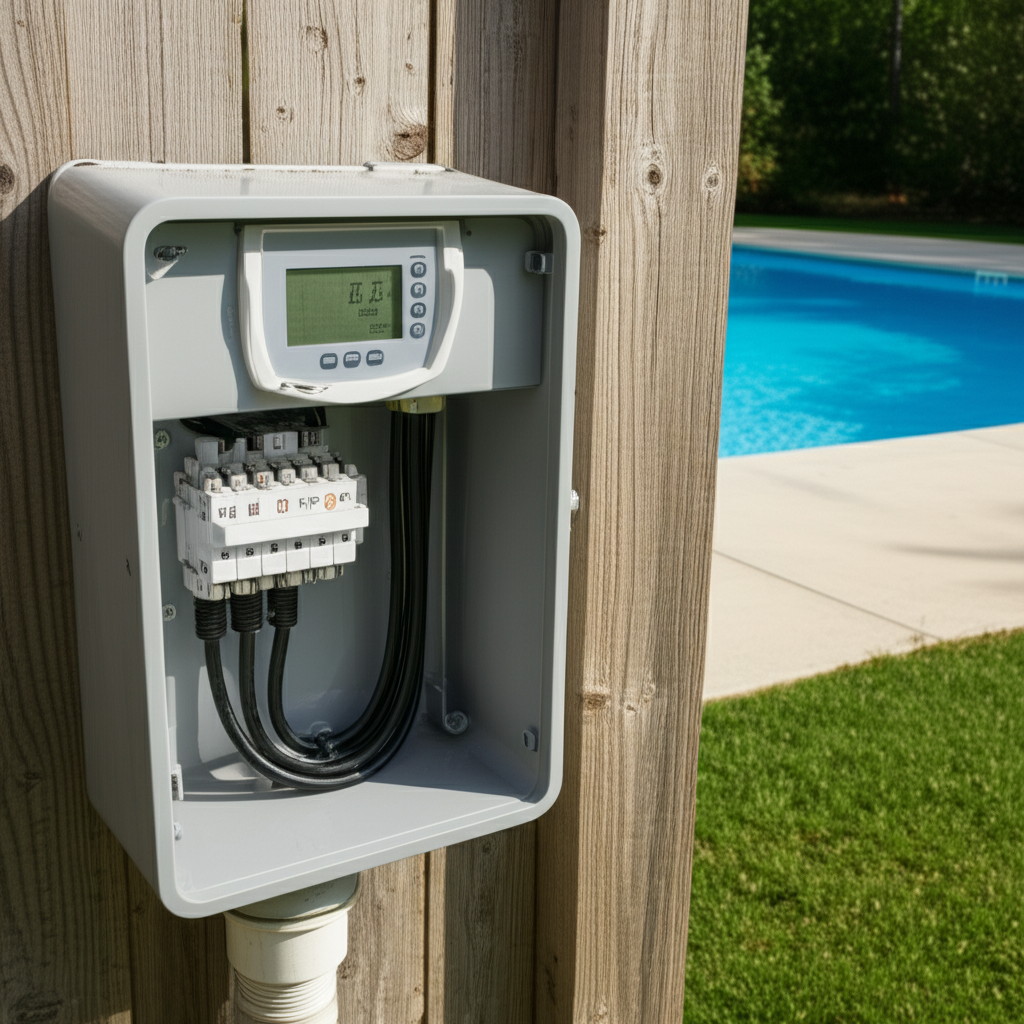
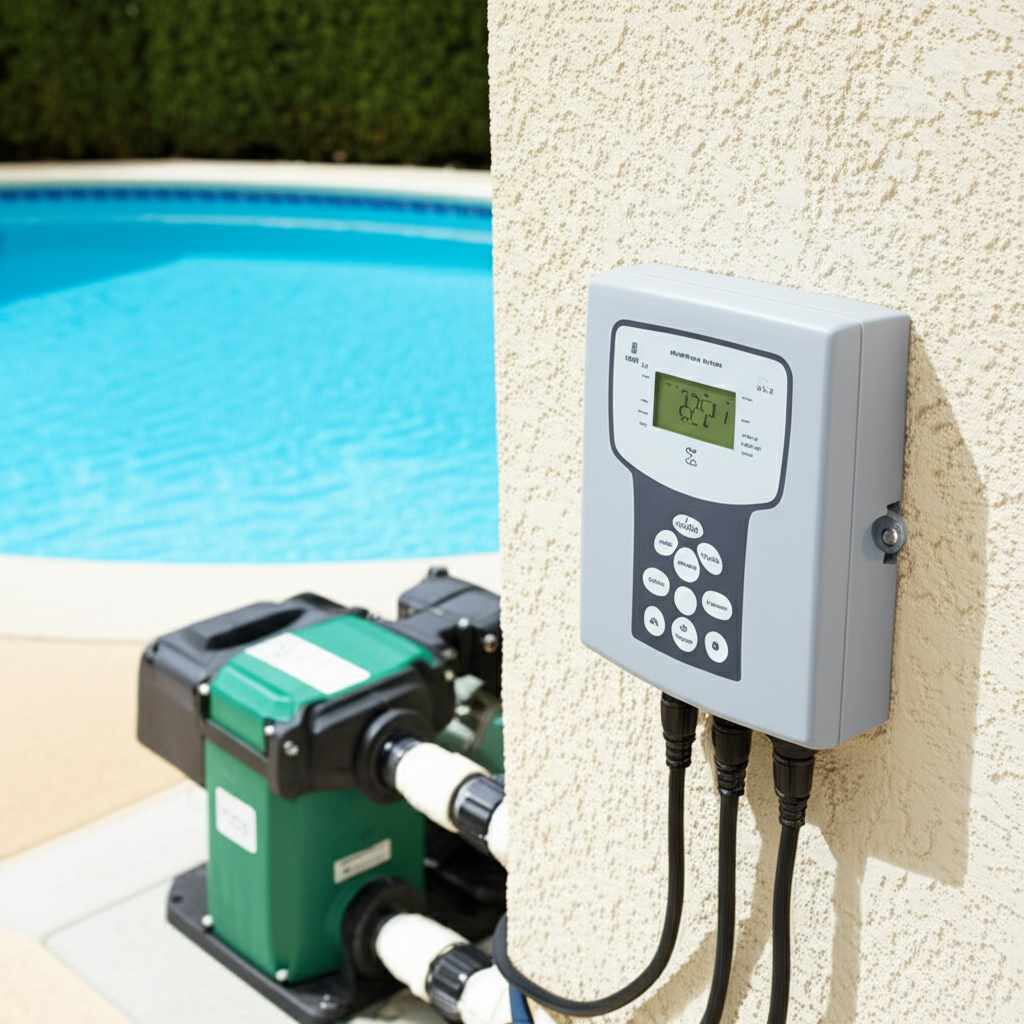
At its core, a pump timer is an electrical device designed to control the on/off cycles of your pool pump at pre-set intervals. While seemingly simple, this functionality is crucial for maintaining water circulation and filtration, which are vital for a healthy, clean pool. Timers come in various forms, from straightforward mechanical dials to advanced digital and smart-enabled systems, each offering progressive levels of control and integration.
Mechanical timers are robust and reliable, featuring a spinning dial with pins that correspond to on/off times. They are typically inexpensive and easy to program. Digital timers offer greater precision, allowing for multiple programming cycles per day, countdown features, and battery backup in case of power outages. The newest generation, smart timers, can connect to Wi-Fi, allowing you to control and monitor your pump from anywhere via a smartphone app, often integrating with other smart home systems. Regardless of the type, the fundamental purpose remains the same: to provide consistent, scheduled operation of your pool’s most critical piece of equipment.
The Myriad Benefits of Pool Automation with a Pump Timer
Investing in a pump timer for your pool goes far beyond just convenience. It unlocks a wealth of benefits that contribute to cost savings, improved water quality, and a longer lifespan for your pool’s machinery.
Significant Energy Savings: One of the most compelling reasons to use a pump timer is its potential to drastically reduce your electricity bill. Without a timer, it’s common to run the pump longer than necessary or forget to turn it off, leading to wasted energy. A timer ensures your pump runs only for the optimal duration, often during off-peak electricity hours, directly translating into tangible savings month after month.
Superior Water Quality: Consistent filtration is key to clear, healthy pool water. A pump timer guarantees that your water is circulated and filtered regularly, preventing algae growth, cloudy water, and the buildup of debris. This constant movement also helps distribute pool chemicals more evenly, making them more effective.
Extending Equipment Lifespan: Pool pumps are robust, but continuous operation or erratic manual starts and stops can put unnecessary strain on the motor and internal components. By automating pool equipment with a consistent schedule, a pump timer reduces wear and tear, extending the overall life of your pump and potentially other connected equipment like heaters or salt chlorinators.
Unmatched Convenience: The “set it and forget it” aspect of a pump timer is a game-changer. Once programmed, you no longer have to think about turning the pump on or off. This frees up your time and mental energy, allowing you to simply enjoy your pool rather than constantly managing its operation.
Environmental Responsibility: By optimizing pump run times and reducing energy consumption, you’re also making a greener choice. Lower electricity usage means a smaller carbon footprint, contributing to environmental conservation.
Beyond the Basics: Advanced Features and Considerations for Your Pump Timer
While the core function of a pump timer is straightforward, modern units offer features that cater to more complex pool setups and smart home integration.
Many pump timers are now compatible with multi-speed pumps, allowing you to program different speeds for different times of the day – for example, a high speed for initial circulation after adding chemicals, and a lower, energy-saving speed for general filtration. Some digital and smart timers can also integrate with other pool equipment, such as pool lights, heaters, or automatic cleaners, allowing for a truly centralized control system. Wi-Fi enabled smart timers offer the ultimate in flexibility, letting you adjust schedules, check pump status, and receive alerts directly on your smartphone, even when you’re away from home. When choosing a timer, also consider safety features like built-in surge protection or waterproof enclosures, especially for outdoor installations.
Installing and Programming Your Pump Timer: A Simple Guide to Automating Pool Equipment
Setting up a pump timer is typically a manageable DIY project, though professional installation is always an option, particularly for electrical novices or complex systems.
1. Selection: First, choose the right type of timer for your needs and budget (mechanical, digital, or smart). Consider factors like required amperage, indoor/outdoor rating, and desired features.
2. Mounting and Wiring: Most timers are designed to be mounted near your pool equipment pad. Ensure the power is completely off at the breaker before starting any wiring. Follow the manufacturer’s instructions carefully for connecting the timer to your power supply and your pool pump. If you’re unsure, consult a licensed electrician.
3. Programming:
Mechanical Timers: Push in or pull out the pins corresponding to your desired ON/OFF times.
Digital Timers: Use the buttons to set the current time, then navigate through the menu to program your daily or weekly run cycles.
Smart Timers: Download the accompanying app, connect the timer to your home Wi-Fi, and follow the in-app instructions to create your schedules.
4. Testing: Once programmed, activate the various cycles manually to ensure the pump turns on and off as expected.
Maximizing Your Pool’s Efficiency with Your New Pump Timer
To get the most out of your pump timer, consider these tips for optimal performance and efficiency:
Optimal Run Time: The ideal run time for your pump depends on several factors: pool size, bather load, filter type, and local climate. A general rule of thumb is to circulate all your pool water at least once daily, which typically translates to 8-12 hours for most residential pools. You can determine your exact turnover rate by calculating your pump’s flow rate and your pool’s volume.
Day vs. Night: Running your pump during off-peak electricity hours (often late night or early morning) can significantly reduce your energy costs. Check with your utility provider for their specific off-peak rate schedules.
Seasonal Adjustments: Don’t forget to adjust your pump timer settings with the seasons. In colder months or during periods of low activity, you might reduce run times. Conversely, during peak summer, heatwaves, or heavy usage, you might need to extend them to maintain water quality.
Monitor and Fine-Tune: Pay attention to your pool’s water clarity and chemistry. If issues arise, it might indicate that your pump isn’t running long enough. Don’t be afraid to experiment with run times to find the perfect balance for your specific pool.
By embracing the simplicity and power of a pump timer, you’re not just buying a piece of equipment; you’re investing in peace of mind, substantial savings, and the consistent enjoyment of a pristine pool. It’s truly the ultimate, easy step towards fully automating pool equipment for a more relaxed and beautiful backyard experience.