
- Understanding the Pool Check Valve: A Guardian of Flow
- Why Your Pool System Demands a Check Valve: Preventing Common Problems
- Preventing Loss of Pump Prime
- Safeguarding Against Chemical Backflow and Contamination
- Protecting Pool Heaters and Other Sensitive Equipment
- Ensuring Consistent Operation of Water Features
- Implementing Your Pool Check Valve: Placement and Selection
- A Small Investment for Big Returns
The Essential Role of a Check Valve in Maintaining a Healthy Pool
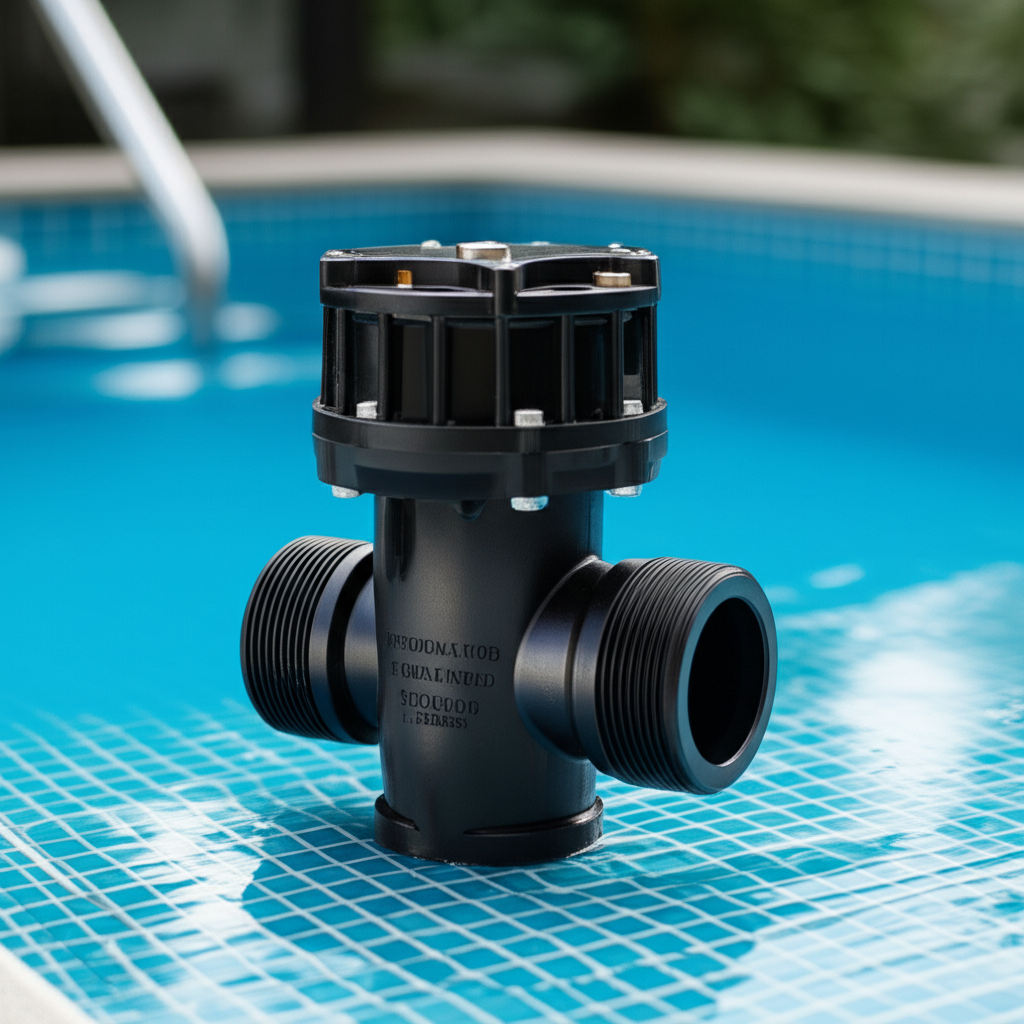
Check Valve technology stands as an unsung hero in the world of pool maintenance, a discreet yet profoundly impactful component that safeguards your aquatic sanctuary from a host of common, frustrating, and often costly problems. Often referred to simply as a one-way valve, this ingenious device ensures water flows in one direction only, preventing undesirable backflow that can lead to significant operational headaches, equipment damage, and even safety concerns. For any pool owner seeking peace of mind and efficient system operation, understanding and implementing the humble check valve isn’t just a good idea – it’s an absolute must-have solution.
Understanding the Pool Check Valve: A Guardian of Flow
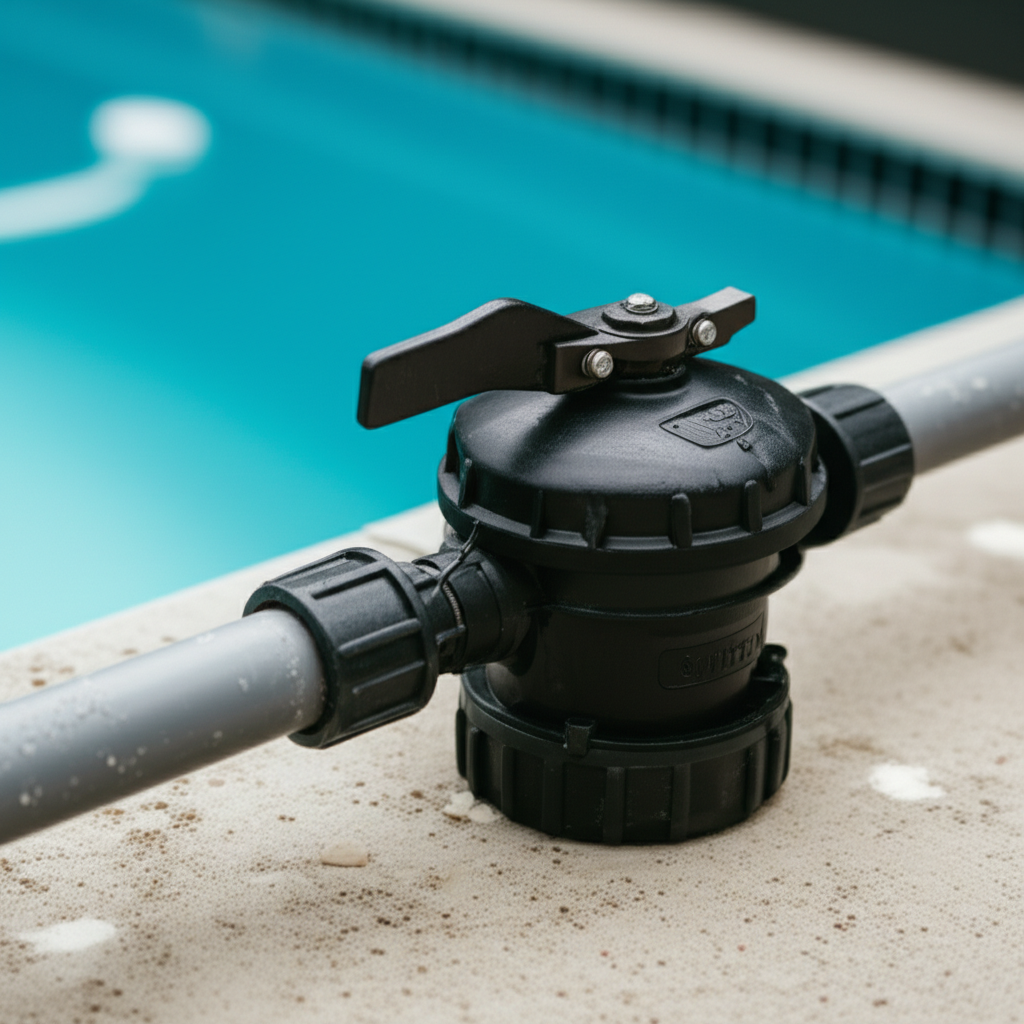
At its core, a check valve is a mechanical device that permits fluid (in this case, water) to flow through it in only one direction. It operates automatically, without the need for manual intervention, relying on the pressure of the fluid itself to open and close. When water flows in the desired direction, the valve opens; if pressure attempts to push water back against the intended flow, the valve immediately closes, sealing off the pipe.
In pool systems, various types of check valves are commonly employed. Swing check valves feature a disc that swings open with forward flow and closes against a seat when backflow occurs. Spring-loaded check valves use a spring to hold the valve closed, opening only when forward pressure overcomes the spring tension. Regardless of the exact mechanism, the principle remains constant: absolute control over the direction of water movement. This fundamental capability is what makes it so vital for preventing a range of pool problems.
Why Your Pool System Demands a Check Valve: Preventing Common Problems
The seemingly simple function of a one-way valve translates into monumental benefits for your pool’s health and longevity. Without it, several critical issues can arise, turning your refreshing oasis into a source of ongoing frustration.
Preventing Loss of Pump Prime
Perhaps one of the most common and annoying issues check valves prevent is the loss of prime in your pool pump. The pump needs to be full of water to operate efficiently and avoid damage. If your pump’s suction line isn’t fitted with a check valve, water can slowly drain back into the pool whenever the pump is turned off. When you restart the pump, it might struggle to prime, run dry for a period, or fail to prime altogether. This “dry running” puts immense stress on the pump’s motor and seals, significantly shortening its lifespan. A strategically placed check valve ensures the suction line remains full of water, meaning your pump starts smoothly and efficiently every time.
Safeguarding Against Chemical Backflow and Contamination
This is a critical safety and equipment protection aspect. Many pools utilize automatic chemical feeders, such as chlorinators, bromine feeders, or even advanced sanitizing systems. These devices inject concentrated chemicals into the circulation system. Without a check valve positioned after the chemical feeder (and before other sensitive equipment like heaters or the pump itself), highly corrosive chemicals can backflow into the main plumbing, or worse, into components like your heater’s heat exchanger or directly back into the pump. This chemical ingress can cause rapid corrosion, expensive damage, and create hazardous conditions. The check valve acts as an impermeable barrier, ensuring these concentrated chemicals only flow downstream, where they are properly diluted before reaching vital and vulnerable equipment.
Protecting Pool Heaters and Other Sensitive Equipment
Pool heaters, solar systems, and certain types of filters contain intricate components that can be damaged by improper water flow or exposure to air. A check valve can be installed to ensure that specific lines, especially those leading to a heater, remain full when the system is off, preventing air pockets or excessive draining that could impact efficiency or cause thermal stress to the heater’s elements. In multi-pump setups or systems with elevated equipment, they prevent back pressure from damaging sensitive gauges or components.
Ensuring Consistent Operation of Water Features
If your pool boasts a waterfall, spa jets, or other decorative water features that are fed by the main circulation system, a check valve can be invaluable. It helps maintain the water level in the feed lines to these features, preventing them from draining back when the pump is off. This leads to more consistent performance, immediate activation when the system is switched on, and prevents air from being sucked back into the main lines, which could lead to priming issues for the primary pump or inconsistent flow.
Implementing Your Pool Check Valve: Placement and Selection
The effectiveness of a check valve hinges on its correct placement within your pool’s plumbing system. Common installation points include:
1. On the suction line, just before the pump basket: This is crucial for preventing loss of prime.
2. After the chemical feeder/chlorinator: Absolutely essential to prevent chemical backflow into the rest of the equipment.
3. Before and/or after sensitive equipment like heaters: To protect it from potential over-pressurization or dry running conditions.
4. On the return line to water features: To ensure consistent water levels and immediate activation.
When selecting a check valve, consider the pipe size, the material (PVC is common for pool plumbing), and the type. Clear-bodied check valves are popular as they allow for visual inspection of the valve’s operation and any debris accumulation. Always ensure the valve is installed with the flow direction arrow pointing towards the desired flow. While installation can be a DIY task for experienced individuals, consulting a pool professional ensures optimal placement and proper sealing.
A Small Investment for Big Returns
The check valve may be a relatively minor component in the grand scheme of your pool’s complex circulation system, but its role is monumentally important. By proactively preventing common problems like pump de-priming, chemical contamination, and equipment damage, it not only saves you from frustrating downtime and expensive repairs but also extends the life of your other vital pool equipment. Investing in high-quality check valves is an investment in the long-term health, efficiency, and enjoyment of your pool – a truly must-have solution for any responsible pool owner.