- Identifying the Culprit: Organic vs. Metallic Spots
- Banish Ugly Pool Spots: Tackling Organic Stains
- Beyond Organics: Addressing Metal Stains
- General Stain Removal Best Practices
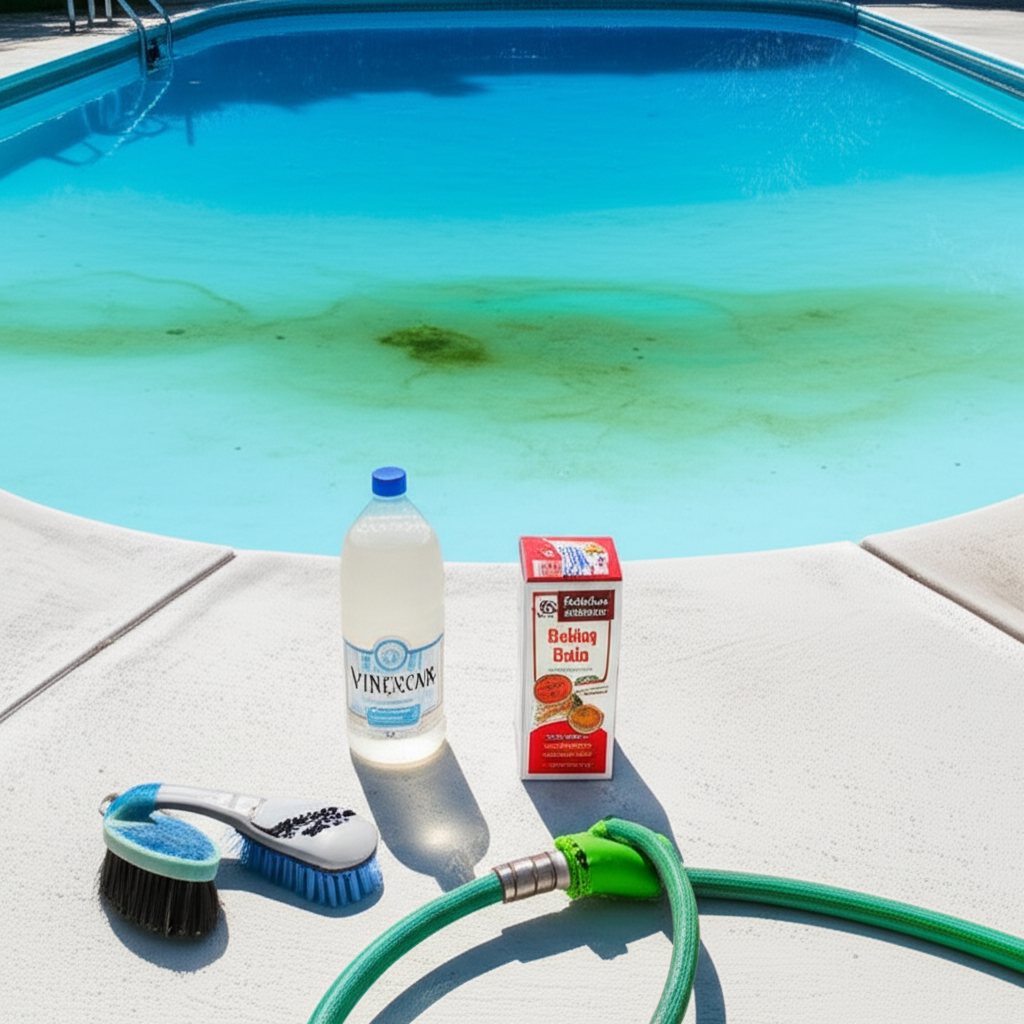
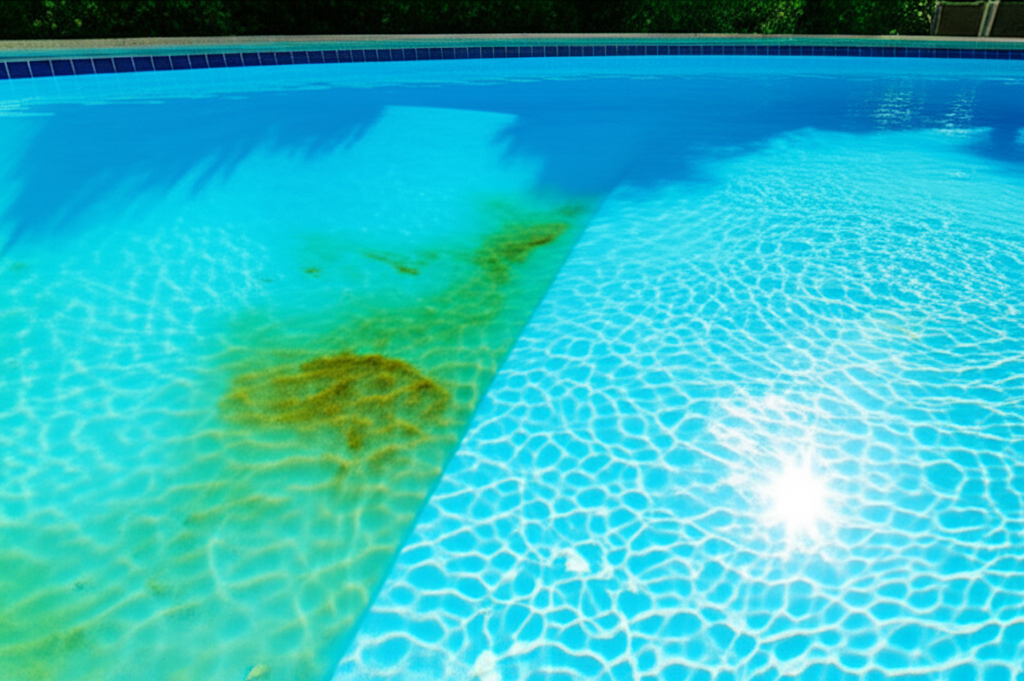
Organic Stains are a common nuisance for pool owners, marring the pristine appearance of your backyard oasis with unsightly discolorations. From dark leafy splotches to stubborn reddish-brown marks, these blemishes often indicate organic matter reacting with pool surfaces or water chemistry. While frustrating, the good news is that most organic pool stains can be effectively identified and treated with the right knowledge and tools, restoring your pool to its sparkling glory.
Before diving into treatment, it’s crucial to understand where these stains come from and how to differentiate them from other types of pool discolorations, particularly those caused by metals. Misidentifying a stain can lead to ineffective treatments and wasted effort, or even exacerbate the problem.
Identifying the Culprit: Organic vs. Metallic Spots
The first step in banishing any pool spot is accurate identification. While both organic and metal stains can appear unsightly, their origins and treatments are vastly different.
Organic Stains typically manifest as earthy tones – greens, browns, reds, or even purplish hues. They often appear irregular in shape and texture, reflecting their natural sources. Common culprits include:
Decaying leaves: Especially from oak, maple, or fruit trees.
Berries: From nearby bushes or trees, particularly mulberries or blackberries.
Pollen: Can create a yellowish film or powdery residue.
Algae: While primarily a water issue, severe algae growth can leave behind stubborn surface stains.
Insects or small animals: If left undiscovered, decaying critters can leave dark, concentrated spots.
A tell-tale sign of an organic stain is its reaction to chlorine. Generally, a quick rub with a chlorine tablet or a generous application of granular chlorine directly onto the stain will cause it to lighten or disappear within minutes. If it doesn’t, you might be dealing with something else.
Metal Stains, on the other hand, usually present with distinct metallic colors:
Iron: Often causes rust-colored, brown, or reddish-brown spots.
Copper: Can leave various shades from light blue to green, or even black.
Manganese: Leads to purplish-black or dark brown stains.
These stains tend to be more uniform and can appear in areas where metal parts might have been present or where water flow is consistent. Unlike organic stains, metal stains typically show no improvement, or may even worsen, when exposed to chlorine. Their presence often points to metallurgy issues in your pool’s equipment, high metallic content in your fill water, or even certain algaecides.
Banish Ugly Pool Spots: Tackling Organic Stains
Once you’ve confirmed you’re dealing with an organic stain, you can proceed with targeted treatment. Prevention, however, is always the best defense. Regular pool cleaning, including skimming debris, vacuuming, and brushing, along with maintaining proper water chemistry (especially chlorine levels), significantly reduces the likelihood of these stains forming.
Here’s a step-by-step approach to removing those stubborn organic spots:
1. Initial Brushing and Cleaning: For new or lighter stains, a good scrub with a stiff pool brush can often dislodge the organic matter. Ensure your pool’s filtration system is running efficiently to capture suspended particles.
2. Shock Treatment: If brushing alone isn’t enough, especially for larger or more widespread organic film, a strong dose of chlorine shock can be very effective. Ensure your pH is balanced (7.4-7.6) before shocking for optimal results. Follow the product instructions for dosage based on your pool volume. Shocking elevates free chlorine levels, which oxidizes and breaks down organic material.
3. Localized Spot Treatment: For persistent, localized organic stains, direct application of a concentrated oxidizer works wonders. You can place a small amount of granular chlorine directly onto the stain – ideally in a sock or nylon stocking to avoid chemical burns to the liner or plaster, leaving it for 15-30 minutes. Be cautious with this method on vinyl liners, as direct contact with undiluted chlorine can bleach or damage the material if left too long. For plaster or concrete pools, direct application is generally safer.
4. Enzyme Treatments: For recurring organic stains, or for general prevention, pool enzymes can be incredibly beneficial. These specialized products break down non-living organic contaminants (like oils, lotions, pollen, and decaying matter) that filtration and sanitizers might miss. By breaking these down, enzymes help prevent them from accumulating and causing stains. Add enzymes regularly as part of your routine pool maintenance.
5. Algaecides (if related to algae): If the organic stain is a residue from a past algae bloom, treating the underlying algae problem first is paramount. After clearing the algae, any remaining discoloration can be tackled with the methods above.
Beyond Organics: Addressing Metal Stains
While the article’s primary focus is on organic stains, understanding how to tackle metal stains is a crucial parallel skill for any pool owner. As established, chlorine often doesn’t help and can sometimes make metal stains worse.
For identifying and treating metal stains:
1. Lower Chlorine Levels: Before applying metal stain removers, it’s often necessary to temporarily lower your pool’s chlorine level to 0-1 ppm. This prevents the chlorine from oxidizing the metal removers, allowing them to work effectively.
2. Vitamin C (Ascorbic Acid) Test: A simple test for metal stains is to apply a small amount of ascorbic acid powder (pure Vitamin C) directly onto the stain. If it’s a metal stain, it will typically fade or disappear within minutes.
3. Specialized Stain Removers: If the Vitamin C test is positive, use a commercial metal stain remover product, many of which contain ascorbic acid or similar chelating agents. Follow the product instructions carefully, as they often require specific pH ranges and can take several hours to work.
4. Chelating/Sequestering Agents for Prevention: After successful metal stain removal, or if you know your fill water has a high metal content, regularly add a chelating or sequestering agent. These products bind with metal ions in the water, keeping them suspended and preventing them from plating out onto pool surfaces as stains.
General Stain Removal Best Practices
Regardless of the stain type, always remember:
Test Your Water: Always test your pool water’s pH, alkalinity, calcium hardness, and sanitizer levels before and after treatment to ensure balance.
Patience is Key: Some stubborn stains may require multiple treatments or longer contact times.
Safety First: Always wear appropriate personal protective equipment (gloves, eye protection) when handling pool chemicals.
Seek Professional Help: If you’re unsure about a stain’s origin or how to treat it, consult with a pool professional.
By understanding the nature of different pool stains and employing the correct treatment methods, you can effectively banish those ugly spots and ensure your pool remains a pristine and inviting escape all season long.