- The Foundation of Success: Meticulous Planning and Design
- Precision in Excavation and Structural Integrity
- Navigating the Maze of Plumbing and Electrical Systems
- Finishing Touches: Surface and Decking Perfection
- The Imperative of Professional Expertise to Avoid Building Errors
- Conclusion
Avoid Building Errors: Essential for a Perfect Pool
Avoid Building Errors from the very inception of your swimming pool project is not just a recommendation; it’s a critical imperative for ensuring its longevity, safety, and ultimate enjoyment. A swimming pool represents a significant investment, a personal oasis meant to bring joy and relaxation for years to come. However, overlooking crucial details or cutting corners during construction can lead to a cascade of costly headaches, ranging from structural failures and persistent leaks to safety hazards and premature deterioration. Understanding where errors commonly occur and how to proactively prevent them is the cornerstone of a successful pool build.
The Foundation of Success: Meticulous Planning and Design
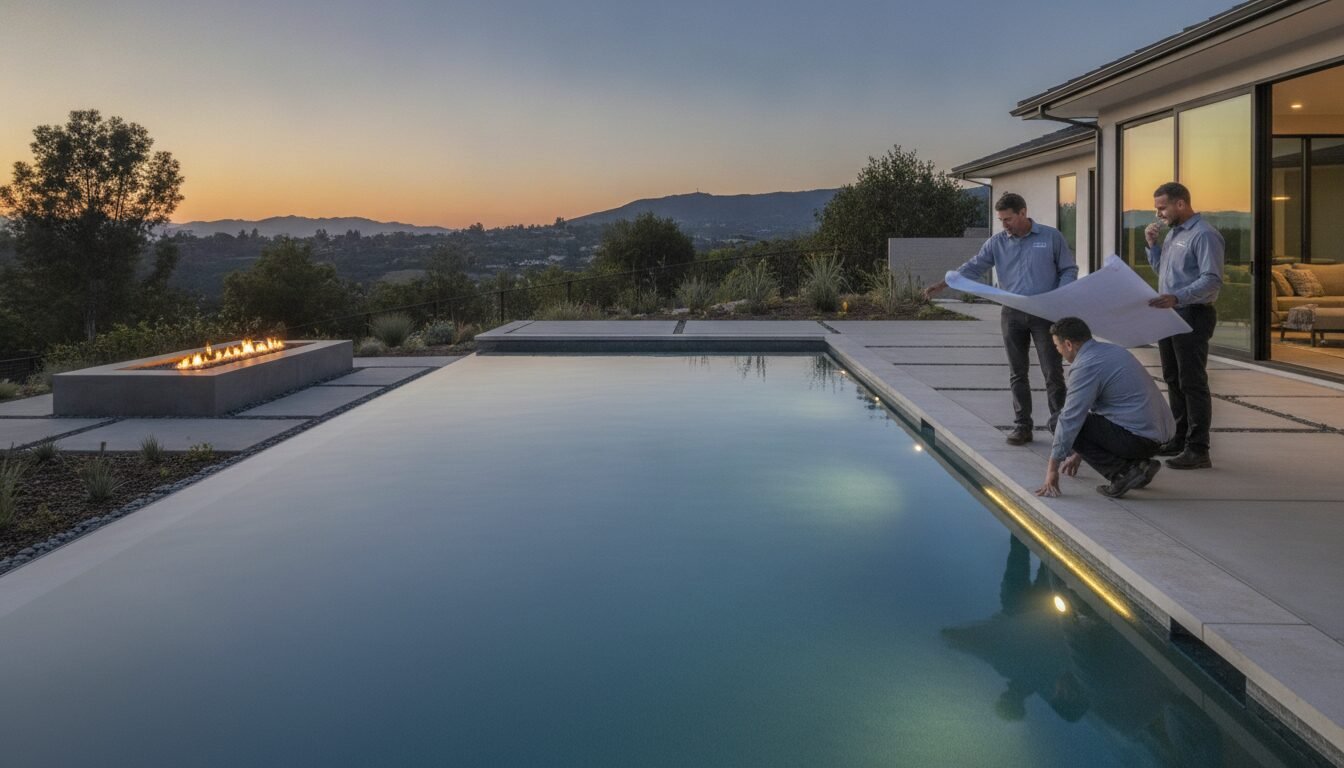
One of the most common points where builders fail to avoid building errors begins long before the first shovel hits the ground: in the planning and design phase. A well-thought-out plan considers every aspect, from the lay of your land to local regulations and your family’s specific needs.
Site Assessment: Expert builders conduct thorough site evaluations, assessing soil composition, water table levels, drainage patterns, and the location of utility lines. Ignoring these factors can lead to structural instability, drainage issues, or accidental damage to underground infrastructure.
Zoning and Permits: Failing to secure the correct permits or adhere to local zoning ordinances and building codes is a major pitfall. This can result in fines, forced demolition, or costly redesigns. A reputable builder will handle this complex process efficiently.
Design for Functionality and Aesthetics: The pool’s size, shape, depth, and placement within your yard must be carefully considered. An ill-conceived design might not suit your lifestyle, obstruct views, or make future landscaping difficult. Material selection for the pool interior, coping, and decking also plays a vital role in both aesthetics and durability.
Precision in Excavation and Structural Integrity
The physical construction phase demands an unwavering commitment to precision. Errors made during excavation and the construction of the pool’s shell are often the most difficult and expensive to rectify.
Accurate Excavation: The hole dug for your pool must precisely match the design specifications. Uneven digging can compromise the structural integrity of the shell, leading to cracks or shifts over time. Proper compaction of the soil beneath the shell is also crucial to prevent settling.
Reinforcement and Shell Construction: For concrete pools, the steel rebar cage provides the essential tensile strength. Incorrect placement, insufficient overlapping, or inadequate tying of the rebar can significantly weaken the pool structure. Similarly, the “gunite” or “shotcrete” application requires skill to ensure uniform thickness and density, creating a robust, monolithic shell free from voids.
Pre-Plumbing: Before the concrete is poured, all plumbing lines must be laid out, secured, and pressure-tested. Leaks at this stage are easily fixed; a leak in a finished pool often requires extensive, destructive remediation.
Navigating the Maze of Plumbing and Electrical Systems
The intricate networks of plumbing and electrical systems are the lifeblood of your pool, silently performing tasks like filtration, heating, and lighting. Errors here can range from minor inefficiencies to serious safety hazards.
Proper Sizing and Installation: Using undersized pumps, filters, or heaters can lead to poor water circulation, inefficient heating, and increased chemical usage. Incorrectly installed plumbing lines can create resistance, reduce flow, and put undue stress on equipment.
Leak Prevention: Beyond the initial pressure testing, robust sealing of all pipe connections and equipment interfaces is paramount. Even small, persistent leaks can lead to significant water loss, higher utility bills, and potential damage to the surrounding deck or foundation.
Electrical Safety: All electrical work must comply with stringent national and local codes to prevent electrocution hazards. This includes proper grounding, GFCI protection for all circuits near the pool, and waterproof conduit. Only licensed electricians experienced in pool installations should undertake this work. This is a critical area where you must avoid building errors that could endanger lives.
Finishing Touches: Surface and Decking Perfection
While often considered cosmetic, errors in the finishing stages can impact both the appearance and the functionality of your pool, along with its long-term durability.
Interior Surface Application: Whether it’s plaster, pebble, or tile, the pool’s interior surface must be applied meticulously. Uneven application can lead to patchy appearance, rough spots that snag swimwear, or premature degradation. Proper curing is also vital to prevent future issues like staining or alkalinity imbalances.
Coping and Decking: Coping – the material capping the pool’s edge – needs precise installation to create a smooth, safe transition and drain water away from the pool structure. Decking materials (concrete, pavers, wood) must be installed with proper slopes for drainage, adequate expansion joints to prevent cracking, and a non-slip finish for safety. Errors here can lead to tripping hazards, standing water, and costly structural repairs to the deck itself.
The Imperative of Professional Expertise to Avoid Building Errors
While some homeowners might be tempted by DIY approaches or the lowest bid, the complexity and long-term implications of pool construction strongly argue for professional expertise.
Experienced Builders: A reputable pool builder brings years of experience, a deep understanding of construction best practices, and familiarity with local codes. They have established relationships with subcontractors (plumbers, electricians) who specialize in pool work.
Comprehensive Contracts: A clear, detailed contract outlining all aspects of the project, including timelines, materials, costs, and warranties, is essential for avoiding misunderstandings and disputes.
Regular Inspections: Professional builders ensure that critical inspections are conducted by city or county officials at various stages of construction, validating compliance with safety and building codes. Do not overlook these crucial checkpoints to avoid building errors.
Conclusion
A perfectly built pool is a source of endless enjoyment and a valuable asset to your home. By understanding the common pitfalls and prioritizing diligence at every stage – from initial planning and design through meticulous construction and finishing – you can proactively avoid building errors. Investing in an experienced, reputable builder and maintaining clear communication throughout the process are your best strategies for ensuring your beautiful new pool is not only a dream come true but also a safe, durable, and low-maintenance reality for many years to come.