- Why a Pool Inspection is Non-Negotiable When Buying a Home with a Pool
- The Ultimate Pool Inspection Checklist: What It Covers
- Decoding Your Pool Inspection Report
- Navigating Post-Inspection Decisions
- Preparing for Pool Ownership: Beyond the Inspection
Pool inspection is an indispensable step for anyone considering buying a home with a pool. While the allure of a private oasis for relaxation and entertainment is undeniable, a swimming pool also represents a significant investment and responsibility. Skipping a thorough professional assessment can lead to unexpected and costly repairs, turning your dream backyard into a financial headache. This guide will walk you through why a pre-purchase pool inspection is critical and what it typically involves, ensuring your journey to pool ownership is as smooth and worry-free as possible.
Why a Pool Inspection is Non-Negotiable When Buying a Home with a Pool
Imagining endless summer days by your own sparkling water feature is exciting, but beneath that shimmering surface, potential problems may be lurking. Pools are complex systems involving various components—plumbing, electrical, structural, and mechanical—all exposed to harsh chemicals and environmental elements. Over time, wear and tear are inevitable, and issues, if left unaddressed, can escalate into major expenses.
A professional pool inspection acts as your safeguard. It uncovers hidden defects that aren’t apparent to the untrained eye, such as leaks in underground plumbing, failing pumps, corroded electrical components, or structural damage to the pool shell or decking. Identifying these problems before closing the deal gives you leverage to negotiate repairs with the seller, adjust your offer, or even decide if the property is truly the right fit for your budget and peace of mind. Without this vital step, you could inherit thousands of dollars in repairs just weeks after moving in, severely impacting your financial stability and enjoyment of your new home.
The Ultimate Pool Inspection Checklist: What It Covers
A comprehensive pool inspection goes far beyond a quick visual check. A qualified inspector, typically certified and experienced specifically with pool systems, will systematically examine every critical component of the pool and its surrounding area. Here’s a detailed breakdown of what you can expect this crucial assessment to cover:
Pool Structure and Surface: The inspector will meticulously examine the pool’s shell or liner for cracks, bulges, tears, staining, or evidence of leakage. This includes concrete, fiberglass, plaster, vinyl, and tile surfaces. They’ll also check the coping (the cap around the pool’s edge) for looseness or damage.
Decking and Surrounding Areas: The integrity of the pool deck is important for safety and longevity. Cracks, unevenness, excessive settlement, trip hazards, or proper drainage will be evaluated. Any damaged sections could indicate deeper issues or pose safety risks.
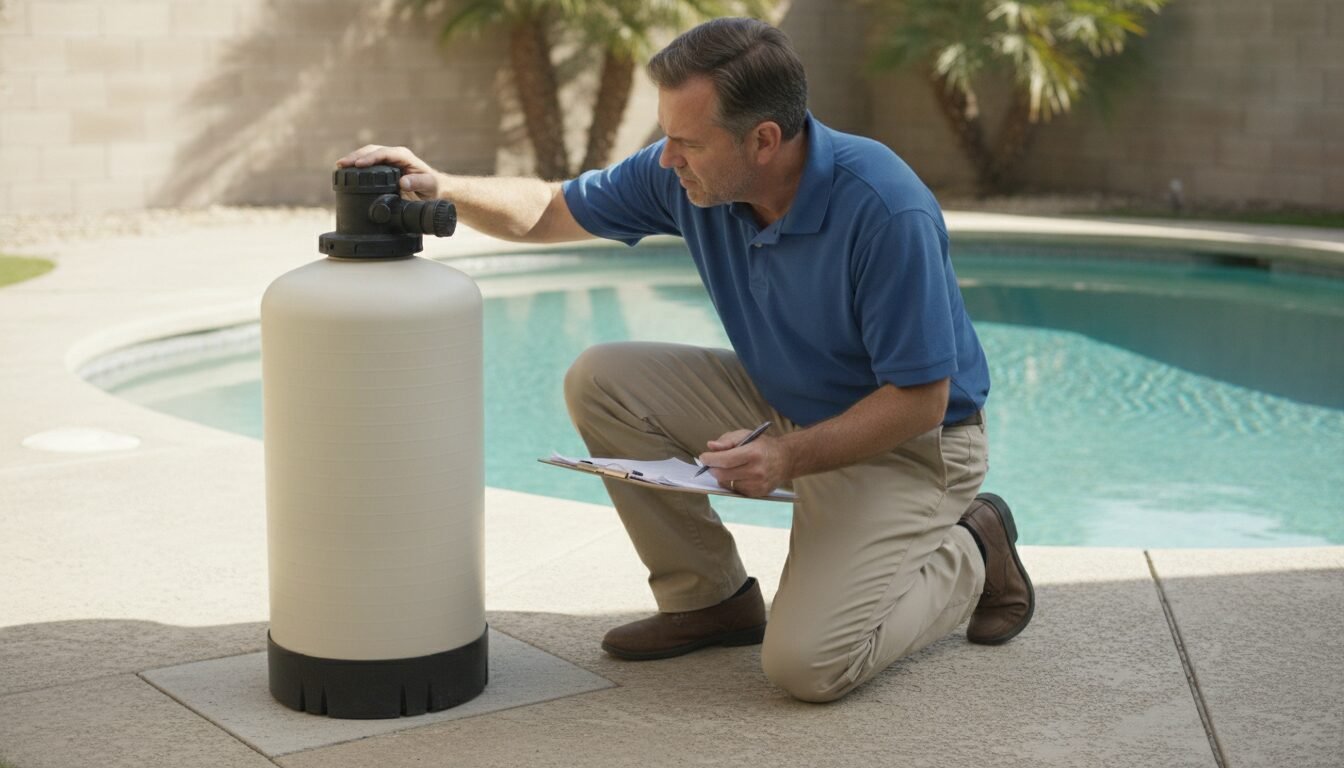
Filtration System: The filter is the heart of a clean pool. The inspector will check the filter type (sand, cartridge, DE), its condition, and ensure it’s functioning properly. They’ll look for leaks, corrosion, and proper pressure readings.
Pump and Motor: The pump drives water circulation. The inspector will assess the pump’s operation, listen for unusual noises, check for leaks, and ensure the motor is running efficiently. Bearings, seals, and electrical connections are all scrutinized.
Heater (if applicable): For heated pools, the boiler or heat pump will be tested for proper operation, heating efficiency, and potential issues like leaks, rust, or faulty controls.
Plumbing and Valves: All visible plumbing lines, skimmers, returns, and main drains will be checked for leaks, blockages, proper sealing, and efficient water flow. Valves will be tested to ensure they operate smoothly and hold pressure.
Electrical Systems: This is a critical safety area. The inspector will verify that all electrical components, including grounding, bonding wires, wiring to pumps, heaters, and lighting, meet current safety codes. GFCI (Ground-Fault Circuit Interrupter) protection for outlets near the pool will also be tested.
Safety Features: Compliance with local safety regulations is paramount. This includes checking the condition of fences, gates, self-latching mechanisms, alarms, main drain covers (to prevent entrapment), and any diving boards or slides for stability and safety.
* Automatic Cleaners/Other Equipment: If equipped, automatic pool cleaners, covers, waterfalls, or other special features will be assessed for functionality.
Decoding Your Pool Inspection Report
After the inspection, you’ll receive a detailed report outlining the findings. This document categorizes any identified issues, often with photographs, explaining their severity, potential impact, and estimated repair costs. Issues might range from minor recommendations (e.g., replacing an aging skimmer basket) to significant structural or mechanical failures (e.g., a leaking main drain or a failing multi-speed pump).
Pay close attention to issues flagged as “safety concerns” or “major defects.” These are the ones that demand immediate attention and could be substantial expenses. Don’t hesitate to ask the inspector for clarification on anything you don’t understand. This report is your roadmap for informed decision-making.
Navigating Post-Inspection Decisions
Equipped with the pool inspection report, you have several options. For minor issues, you might decide to absorb the cost yourself, perhaps factoring it into your long-term budget. For significant problems, you can:
1. Negotiate Repairs: Ask the seller to repair the defects before closing.
2. Request Credits: Ask for a credit at closing to cover the cost of repairs you will undertake.
3. Adjust Offer Price: Lower your offer to reflect the repair expenses.
4. Walk Away: If the issues are too extensive or the seller is unwilling to budge, you have the option to terminate the purchase agreement, assuming your contract includes an inspection contingency.
Remember, every negotiation is unique, but having concrete data from a professional inspection strengthens your position.
Preparing for Pool Ownership: Beyond the Inspection
Once the sale is complete, and you become a proud pool owner, the inspection report can continue to serve as a valuable resource. It provides a baseline understanding of your pool’s condition at the time of purchase. Consider retaining the inspector for future maintenance advice or repairs. Familiarizing yourself with the pool’s operational basics—such as how to clean the filter, test water chemistry, and run the pump—will empower you to keep your new investment in top condition.
Ultimately, a pool inspection is a small upfront cost that offers invaluable protection when buying a home with a pool. It converts potential unknowns into actionable information, allowing you to approach your new acquisition with clarity, confidence, and genuine peace of mind, ready to enjoy those worry-free summer days.