- Understanding the Nature of Pool Chemicals
- Proper Chemical Storage Practices for Pool Safety
- Safe Handling During Use
- Emergency Preparedness
- Regular Inspection and Disposal
- Conclusion
Chemical Storage is a critical aspect of maintaining a safe and enjoyable swimming pool environment. While pool chemicals are indispensable for keeping water clean, balanced, and free from contaminants, they are inherently hazardous if mishandled or stored improperly. Ensuring the well-being of everyone who uses your pool, as well as the safety of your home and property, hinges on a deep understanding and strict adherence to best practices for chemical management. This guide will walk you through the essential steps and considerations for creating an ultimate pool safety plan centered around responsible chemical handling.
Understanding the Nature of Pool Chemicals
Before delving into storage specifics, it’s vital to recognize the various types of chemicals used in pools and their potential dangers. The most common include:
Sanitizers: Primarily chlorine-based products (granular, tablets, liquid) that kill bacteria and algae. These are often corrosive, can release toxic fumes, and are highly reactive.
pH Adjusters: Acids (e.g., muriatic acid, sodium bisulfate) to lower pH and alkalinity, or bases (e.g., soda ash) to raise them. Acids are corrosive and can cause severe burns.
Algaecides: Chemicals designed to prevent or eliminate algae growth, often containing strong active ingredients.
Shock Treatments: Concentrated sanitizers used for oxidation and quick disinfection, which are potent and require careful handling.
Clarifiers and Specialty Products: Used for various purposes like improving water clarity or removing stains. While generally less hazardous than sanitizers, they still require respect.
Many of these chemicals react violently with water, other chemicals, or even organic materials, producing heat, toxic gases, or explosions. Their fumes can be irritating or dangerous to inhale.
Proper Chemical Storage Practices for Pool Safety
Implementing a robust chemical storage system is the cornerstone of effective pool safety. Every decision, from location to container type, plays a role in preventing accidents.
1. Choose the Right Location:
Cool, Dry, and Well-Ventilated: Heat can cause chemicals to degrade, release fumes, or become unstable. Moisture can lead to clumping, corrosion, or dangerous reactions. A well-ventilated area prevents the buildup of hazardous fumes.
Out of Direct Sunlight: Sunlight can degrade chemicals and increase temperatures.
Away from Living Spaces: Ideally, store chemicals in a dedicated outdoor shed, garage corner, or utility room, away from occupied areas of the home.
Separate from Flammable Materials: Never store pool chemicals near gasoline, propane tanks, fertilizers, paint, or other combustible substances.
2. Secure the Storage Area:
Locked Cabinets or Sheds: This is non-negotiable, especially in homes with children, pets, or curious individuals. A locked cabinet or shed prevents accidental access, ingestion, or misuse.
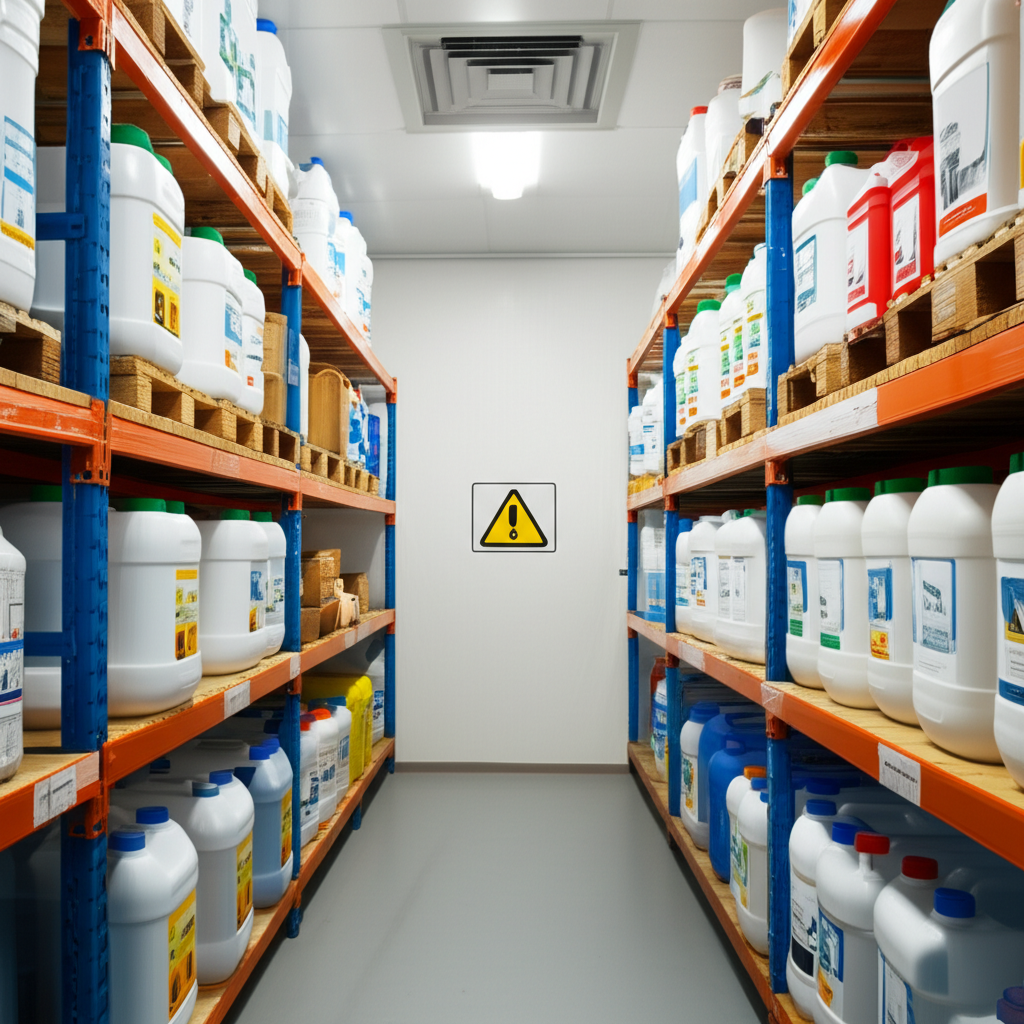
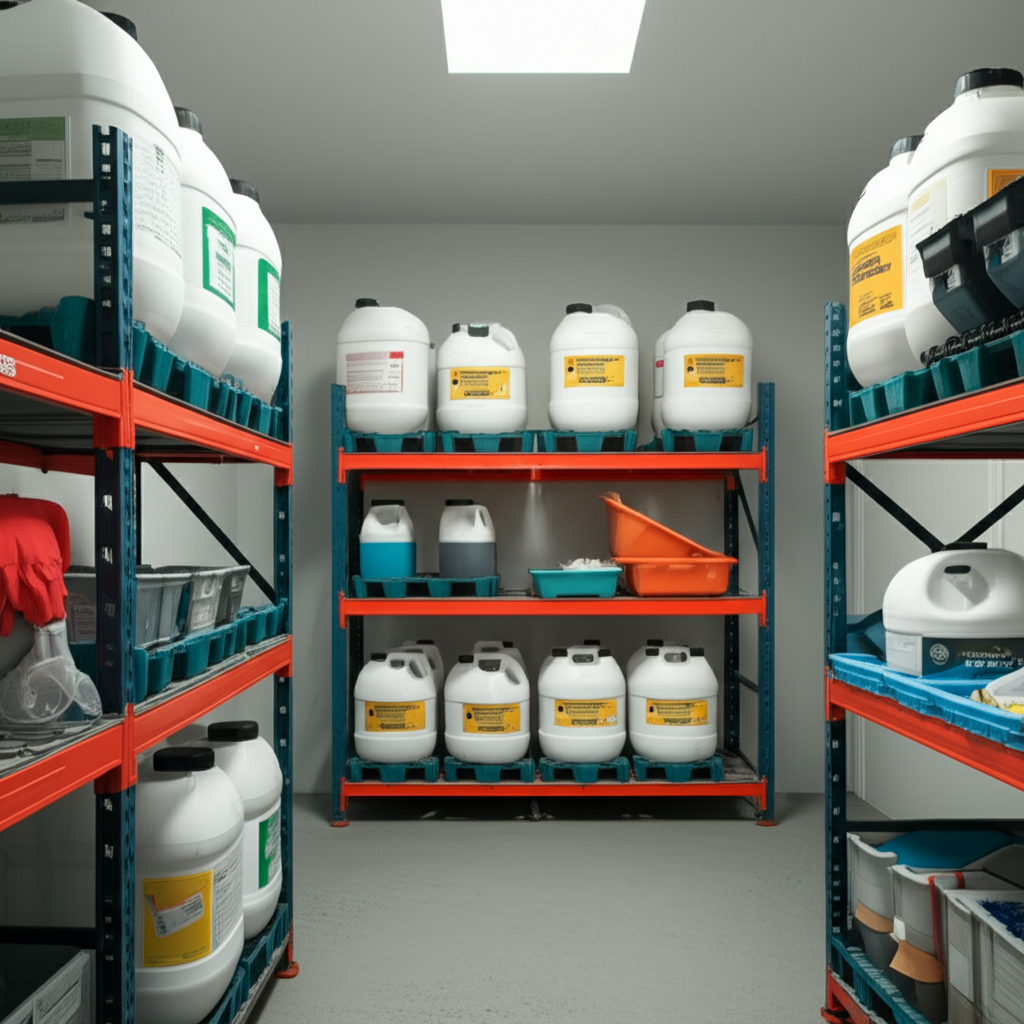
Elevated Storage: Keep containers off the floor to protect them from potential floodwaters and to make them less accessible to small children or pets. Use sturdy shelving designed to hold heavy loads.
3. Maintain Original Containers and Labels:
Never Transfer Chemicals: Always store chemicals in their original, clearly labeled containers. Transferring them to unmarked containers is a leading cause of accidental mixing and misidentification, which can have catastrophic consequences.
Keep Labels Intact: Labels contain crucial information about product identity, safe handling instructions, first aid, and emergency contacts. If a label becomes damaged or unreadable, replace the product or discard it safely.
4. Practice Incompatible Chemical Separation:
The “Never Mix” Rule: This is arguably the most critical rule. Never, under any circumstances, mix different pool chemicals together, even if you think you know what they are. This includes mixing different forms of chlorine (e.g., liquid chlorine with chlorine tablets).
Segregate Storage: Store incompatible chemicals in separate areas. For example, acids should be kept far from chlorine products. Liquid chemicals should be stored below dry chemicals to prevent contamination in case of spills. A good rule of thumb is to create distinct zones for oxidizers (chlorine), acids, bases, and other specialty chemicals.
5. Manage Quantity and Inventory:
Buy Only What You Need: Avoid stockpiling large quantities of chemicals. Excess chemicals increase the storage risk. Purchase amounts that you expect to use within a single season.
First In, First Out (FIFO): Use older chemicals first to ensure freshness and prevent degradation. Regularly check expiration dates.
Safe Handling During Use
Proper preparation for usage is just as vital as careful chemical storage.
Wear Personal Protective Equipment (PPE): Always don appropriate safety gear, including chemical-resistant gloves, eye protection (safety glasses or goggles), and potentially a respirator when handling dusty or fuming chemicals.
Read Instructions Carefully: Before using any chemical, thoroughly read and understand the manufacturer’s instructions, dosages, and safety warnings.
Add Chemicals to Water, Not Water to Chemicals: When mixing, always add the chemical slowly to a larger volume of water, never the other way around. Adding water to concentrated chemicals can cause splash-back, rapid heating, or violent reactions.
Work in Well-Ventilated Areas: Ensure good airflow when dispensing or mixing chemicals to avoid inhaling fumes.
Clean Up Spills Immediately: Isolate the spill, refer to the chemical’s safety data sheet (SDS) for specific clean-up procedures, and use inert absorbent materials (e.g., cat litter, sand – never sawdust or rags for chlorine). Dispose of contaminated materials properly.
Emergency Preparedness
Even with the best precautions, accidents can happen. Being prepared is crucial for mitigating damage and injury.
First Aid Kit: Keep a well-stocked first aid kit readily accessible, including supplies for chemical burns (neutralizing solutions, burn cream) and adhesive bandages.
Emergency Contact Information: Have emergency numbers (Poison Control, local fire department, doctor) posted near the pool area and in the chemical storage area.
Eyewash Station: An eyewash station or at minimum, a readily available source of clean running water for flushing eyes, is essential.
Neutralizing Agents and Absorbents: Keep products designed to neutralize specific chemical spills or absorbents for general spills on hand.
Regular Inspection and Disposal
Maintain vigilance by regularly inspecting your chemical storage area. Check containers for damage, leaks, or degradation. Ensure labels are legible. Properly dispose of expired or unwanted chemicals according to local regulations; never pour them down a drain or throw them in household trash. Contact your local hazardous waste facility for guidance.
Conclusion
Effective chemical storage and handling practices are the bedrock of ultimate pool safety. By understanding the inherent risks, establishing a secure and organized storage system, adhering to strict handling protocols, and being prepared for emergencies, pool owners can ensure their aquatic retreat remains a source of joy and relaxation, free from preventable hazards. Prioritize safety, and your pool will continue to be a cherished amenity for years to come.