- Why Do Cracks Appear in Concrete Pools?
- Types of Cracks and Their Implications
- Assessing the Damage: When to Call a Pro
- The Process of Concrete Pool Crack Repair
- DIY vs. Professional Concrete Pool Crack Repair
- Preventative Measures to Protect Your Pool
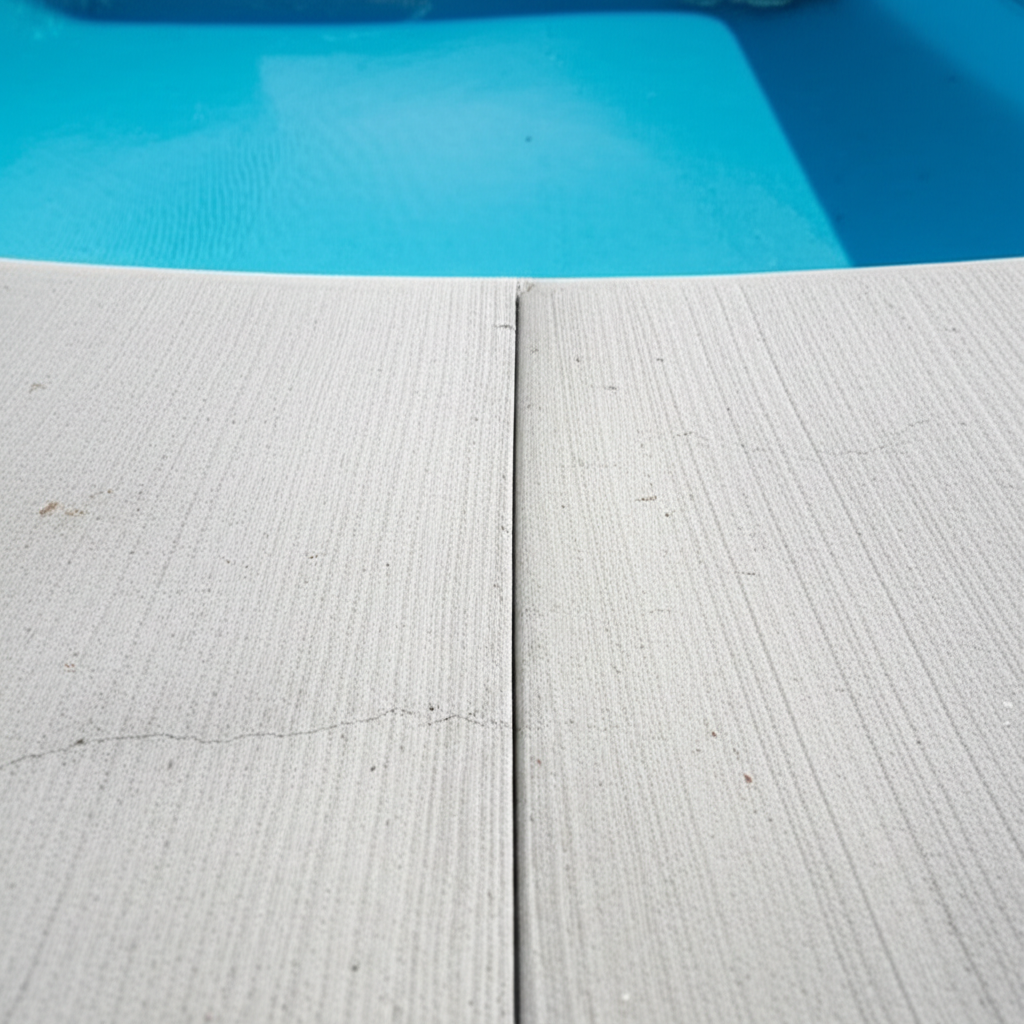
Concrete Pool Crack Repair is a critical maintenance task for any homeowner enjoying the benefits of a backyard swimming oasis. While concrete pools are renowned for their durability and longevity, they are not entirely immune to the forces of nature and time. Over the years, environmental shifts, ground movement, and even everyday use can lead to the unwelcome appearance of cracks in the pool’s shell. Addressing these imperfections promptly and effectively is paramount, not just for aesthetic reasons, but more importantly, to prevent further structural damage, water loss, and potential safety hazards.
Why Do Cracks Appear in Concrete Pools?
Understanding the root cause of a crack is the first step toward a lasting repair. Several factors can contribute to the development of cracks in a concrete pool:
Ground Movement and Settling: The most common culprit. The soil beneath and around the pool can shift due to expansive clays, frost heave in winter, earthquakes, or simply natural settling over time. This movement places stress on the concrete shell, leading to cracks.
Hydrostatic Pressure: When the groundwater level outside the pool is higher than the water level inside, it exerts immense pressure on the pool walls and floor. If drainage systems are inadequate, this pressure can push inwards, causing the concrete to crack.
Poor Construction Practices: Inadequate concrete mix, insufficient rebar reinforcement, improper curing, or rushed construction can significantly weaken the pool shell, making it more susceptible to cracking.
Freeze-Thaw Cycles: In colder climates, water absorbed by concrete can freeze and expand, creating pressure that leads to cracking. This is particularly problematic if the pool is not properly winterized.
Age and Wear: Like any structure, concrete pools degrade over decades. The continuous exposure to chemicals, UV radiation, and water can eventually lead to material fatigue and cracking.
Drainage Issues: Poor yard drainage can lead to excessive water saturation around the pool, exacerbating ground movement and hydrostatic pressure.
Types of Cracks and Their Implications
Not all cracks are created equal. Identifying the type of crack can help gauge the severity of the problem:
Hairline Cracks (Shrinkage Cracks): These are very fine, superficial cracks usually less than 1/16th of an inch wide. They are often a result of the concrete drying and shrinking during the curing process. While generally cosmetic and non-structural, they can sometimes lead to minor water leakage.
Crazing: This appears as a network of very fine, spiderweb-like cracks on the surface. Crazing is purely aesthetic and doesn’t affect the structural integrity or cause leaks, typically happening when the concrete surface dries too quickly.
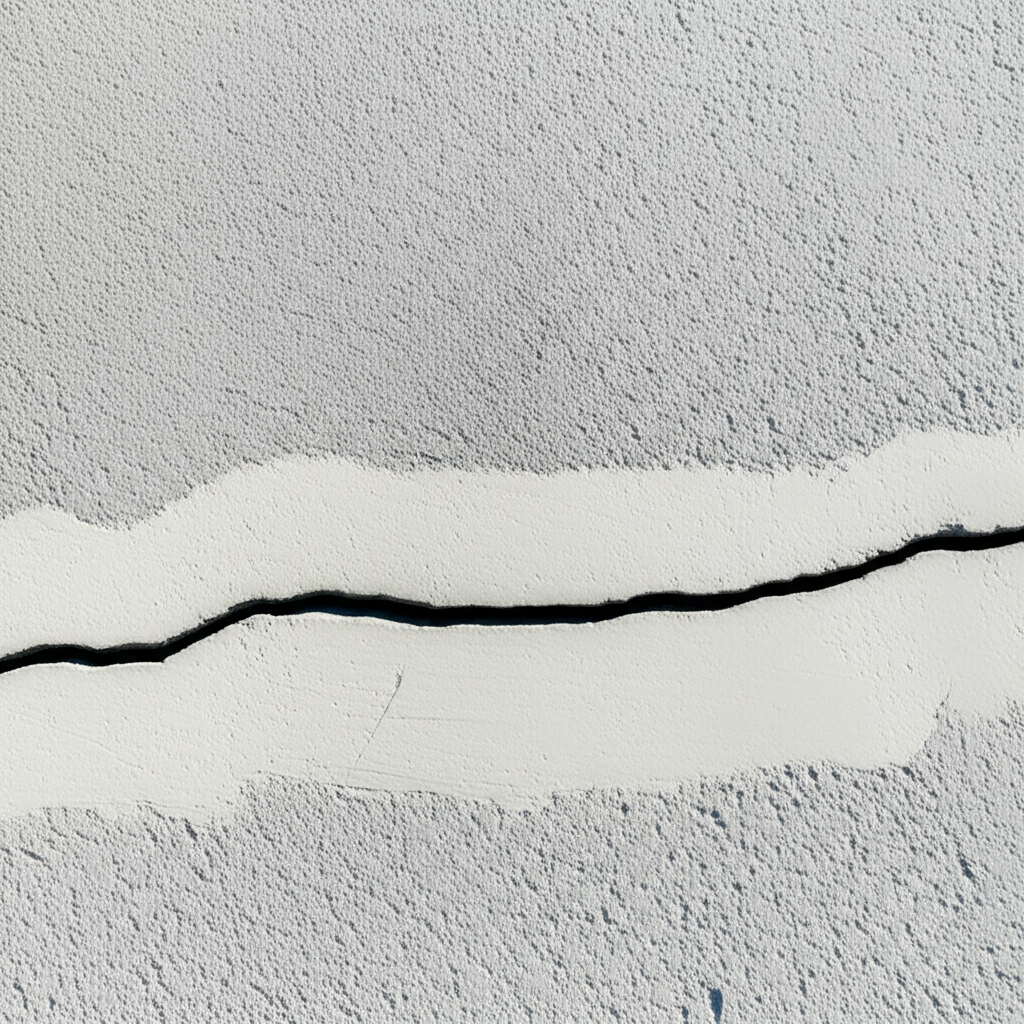
Structural Cracks: These are wider (1/8th inch or more), deeper, and often extend through the entire concrete shell. They may run horizontally, vertically, or diagonally. Structural cracks are serious; they indicate significant stress, often lead to considerable water loss, and demand immediate professional attention to prevent further damage.
Expansion Joint Cracks: These occur within or adjacent to expansion joints designed to accommodate concrete movement. While expansion joints are meant to control cracking, if they fail or if the concrete moves excessively, cracks can form around them.
Assessing the Damage: When to Call a Pro
Before embarking on any repair, a thorough assessment is crucial.
1. Visual Inspection: Examine the entire pool surface, both wet and dry. Note the location, length, width, and depth of any cracks.
2. Dye Test: For suspected leaks from hairline cracks, turn off the pump and, during a calm period, apply a small amount of dye near the crack. If the dye is sucked into the crack, it’s actively leaking.
3. Monitor Growth: Use a pencil to mark the ends of the crack and date it. Check periodically to see if it’s growing. You can also apply a thin line of caulk across the crack; if the caulk breaks, the crack is moving.
While minor surface cracks can sometimes be a DIY project, structural cracks, especially those causing significant water loss or visible pool movement, warrant professional intervention. Experts have the experience, tools, and materials to accurately diagnose the problem and implement a lasting solution.
The Process of Concrete Pool Crack Repair
Effective Concrete Pool Crack Repair is a multi-step process that varies based on the crack’s nature and severity.
Surface Preparation: Regardless of the crack type, the area must be meticulously cleaned. This involves draining the pool (or at least lowering the water level below the crack), scrubbing away algae and debris, and often grinding or chiseling around the crack to create a clean, V-shaped groove. This groove allows the repair material to penetrate deeper and bond better.
Filling Small, Non-Structural Cracks: For hairline cracks that are purely cosmetic or minimally leaking, specialized epoxy-based or polymer-fortified patching compounds are often used. These materials are troweled into the V-groove, smoothed, and allowed to cure. Some minor leaks can be sealed using underwater epoxy or hydraulic cement.
Addressing Structural Cracks with Epoxy Injection: For structural cracks, epoxy injection is a highly effective method. This involves applying “ports” or fittings along the crack’s length, then using specialized equipment to inject a high-strength epoxy resin under pressure. The epoxy penetrates deep into the crack, bonding the concrete back together and creating a watertight seal. Polyurethane foam injections are also used for active water leaks, as they react with water to expand and form a seal.
Stitching (Stapling): For wider structural cracks experiencing movement, a more robust technique called “stitching” may be employed. This involves cutting perpendicular grooves across the crack, inserting steel rebar or staples, and then filling these grooves with hydraulic cement or epoxy. This method provides tensile strength, preventing the crack from widening further.
Patching and Resurfacing: After the crack has been filled and stabilized, the new material needs to be finished to match the existing pool surface. This might involve applying specific plasters, paints, or even complete resurfacing of the pool if numerous repairs have been made or if the existing surface is deteriorating.
DIY vs. Professional Concrete Pool Crack Repair
Deciding whether to tackle a crack yourself or hire a professional depends entirely on the crack’s characteristics.
DIY Aptitude: Minor, non-leaking hairline cracks can often be managed by a handy homeowner using off-the-shelf patching kits or sealants. Care must be taken to follow product instructions meticulously.
Professional Expertise: For structural cracks, significant water loss, or any crack that shows signs of movement or expansion, professional help is invaluable. Pool repair specialists have diagnostic tools (like ground-penetrating radar), specialized injection equipment, and the expertise to choose the correct repair method. They can also provide warranties for their work, offering peace of mind. Attempting to fix a major structural crack yourself can lead to further damage, wasted money, and even compromise the pool’s integrity.
Preventative Measures to Protect Your Pool
While cracks can be inevitable, preventative steps can significantly reduce their likelihood and severity:
Proper Construction: Ensure your pool is built on correctly compacted soil with adequate reinforcement and drainage during the initial construction phase.
Maintain Water Balance: Regularly test and balance your pool’s chemicals. Imbalanced water can be corrosive and accelerate concrete degradation.
Winterization: In cold climates, follow proper winterization procedures, including lowering the water level, draining equipment, and using a winter cover, to prevent freeze-thaw damage.
Address Drainage Issues: Ensure your yard has efficient drainage away from the pool area to minimize hydrostatic pressure.
Regular Inspections: Periodically inspect your pool, especially at the beginning and end of the swimming season, to catch small cracks before they escalate.
Timely and effective Concrete Pool Crack Repair is crucial for maintaining the beauty, structural integrity, and longevity of your investment. By understanding the causes, types, and repair methods for cracks, you can ensure your pool remains a safe and enjoyable haven for many years to come. When in doubt, consulting with a qualified pool repair specialist is always the wisest choice to ensure a truly flawless fix.