- The Hidden Costs of a Leaking Pump
- Identifying the Culprit: Your Leaking Pump
- The Ultimate Seal Replacement: A Comprehensive Solution
- A Step-by-Step Guide to Effective Seal Replacement
- Preventing Future Leaks Through Proactive Maintenance
Leaking Pump can be more than just a minor annoyance; it’s a critical indicator that something is amiss with your equipment, potentially leading to significant operational disruptions, increased energy consumption, and costly damages if left unaddressed. Fortunately, many pump leaks can be effectively resolved through a timely and proper seal replacement, transforming a looming problem into a manageable maintenance task. Understanding why pumps leak, how to identify the issue, and the ultimate solution – replacing the seals – is crucial for extending the lifespan and efficiency of your pumping systems.
The Hidden Costs of a Leaking Pump
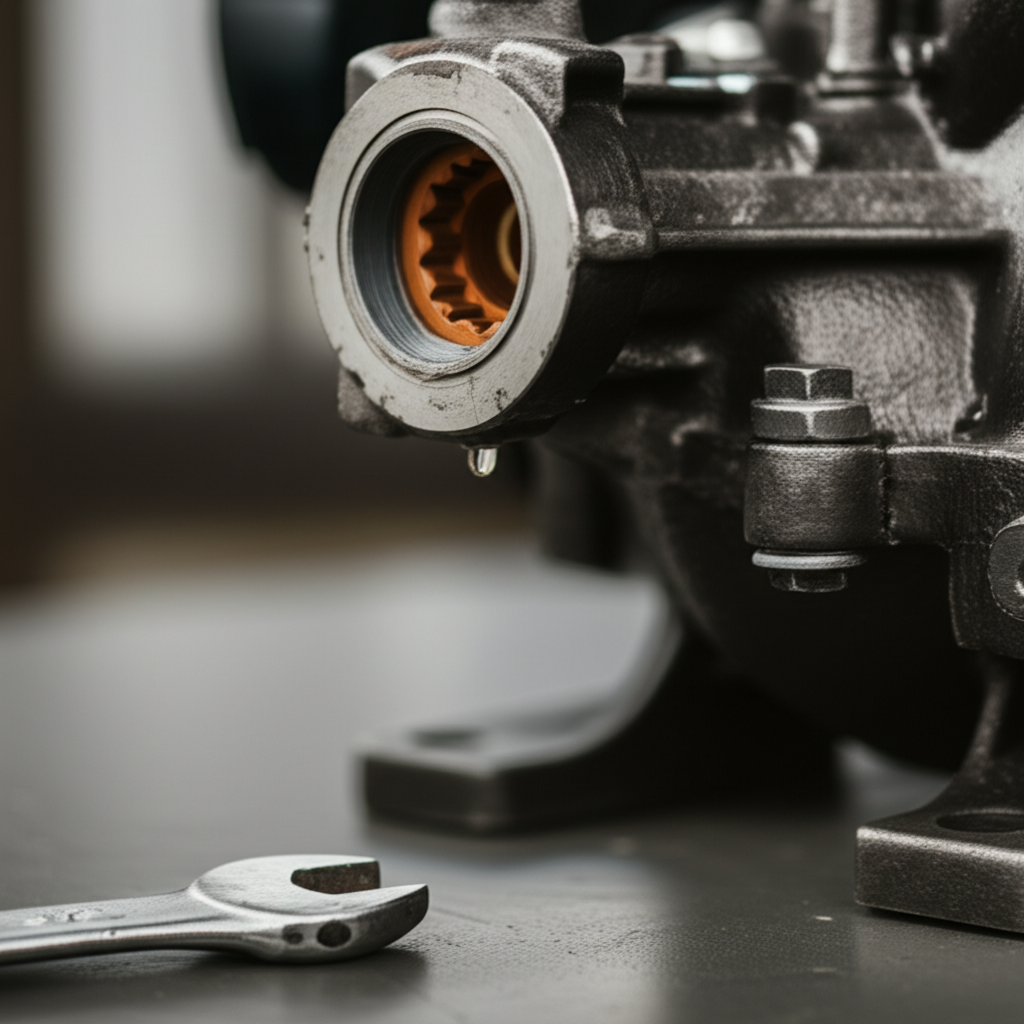
A pump acts as the heart of many industrial, commercial, and even domestic systems, moving fluids from one point to another. When this heart develops a leak, its efficiency drops dramatically. The most common culprit behind a leaking pump is worn-out or damaged seals. These components are designed to create a secure barrier, preventing the pumped fluid from escaping the casing and external contaminants from entering. Over time, due to continuous friction, chemical exposure, high temperatures, pressure fluctuations, or even improper installation, seals can degrade, crack, or lose their elasticity, compromising their integrity.
The consequences of a leaking pump extend far beyond a tidy puddle. You could be facing:
Reduced Efficiency: As fluid escapes, the pump works harder to achieve the desired flow and pressure, consuming more energy and incurring higher utility bills.
Equipment Damage: Escaping fluid can corrode surrounding components, electrical systems, or machinery, leading to premature failures and expensive repairs.
Environmental and Safety Hazards: Depending on the fluid being pumped, a leak can pose environmental risks (e.g., chemical spills) or create slip hazards, risking personnel safety.
Contamination: A compromised seal can also allow external contaminants like dirt, dust, or air into the pump, damaging internal components and potentially contaminating the fluid being pumped.
Downtime: Ultimately, a neglected leak can escalate into a catastrophic failure, leading to unexpected and costly system downtime.
Identifying the Culprit: Your Leaking Pump
Early detection is key to mitigating the damages caused by a leaking pump. While a visible puddle is the most obvious sign, several other indicators can point to a failing seal:
Visible Drips or Streams: Any anachronistic fluid around the pump casing, shaft, or base is a clear sign. Pay attention to the location of the leak, as this can often pinpoint the specific seal or component that needs attention.
Decreased Performance: Noticeable drops in pump pressure or flow rate, even without a visible leak, can suggest internal bypasses or a partially failed seal.
Unusual Noises: Grinding, squealing, or rubbing noises from the pump shaft area might indicate excessive friction due to a damaged seal or inadequate lubrication.
Excessive Heat: An overheating pump, especially around the seal area, can be a symptom of a seal failure causing increased friction.
Increased Power Consumption: As the pump works harder to compensate for fluid loss, you might observe an unexplained spike in electricity usage.
The Ultimate Seal Replacement: A Comprehensive Solution
Once a leak is confirmed, a comprehensive seal replacement is often the most effective and long-lasting solution. Seals come in various types, each suited for different applications and fluid dynamics. Understanding them is crucial for appropriate replacement:
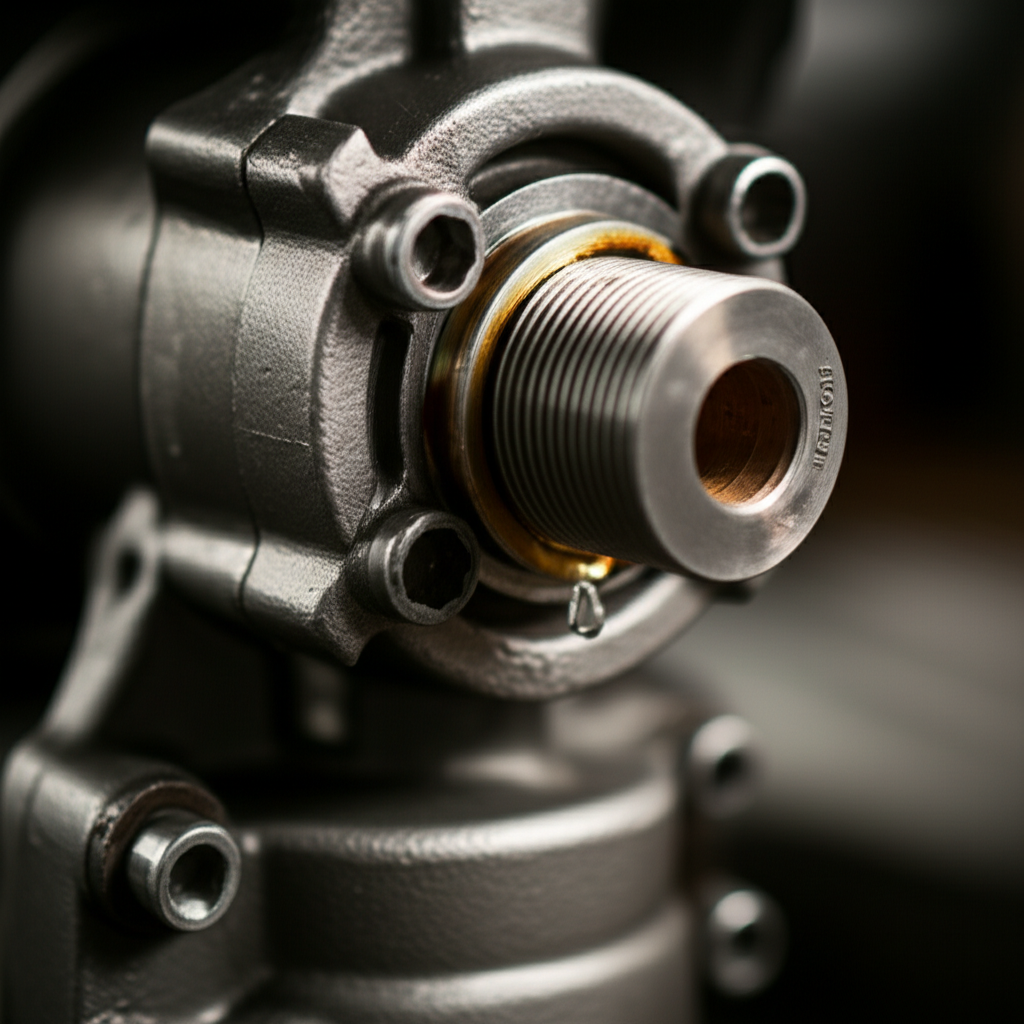
Mechanical Seals: These are sophisticated devices found in most modern centrifugal pumps. They consist of two primary parts: a stationary seat and a rotating face, pressed against each other by springs to create a tight seal. When these faces wear down or become contaminated, leaks occur.
Packing Seals (Gland Packing): Common in older pumps or those handling abrasive slurries, packing seals are rings of soft material compressed around the pump shaft within a stuffing box. They are designed for a slight, controlled leak to lubricate the shaft, but excessive leakage indicates wear.
O-Rings and Gaskets: These static seals prevent leaks between stationary parts, such as pump housing sections or flanges. They too can degrade over time and require replacement.
Choosing the correct type, material, and size of replacement seal is paramount. Factors like fluid compatibility, operating temperature, pressure, and shaft speed must all be considered. Consulting the pump’s manual or a sealing expert is highly recommended.
A Step-by-Step Guide to Effective Seal Replacement
Performing a seal replacement requires precision and adherence to safety protocols.
1. Safety First: Always disconnect the pump from its power source and implement lockout/tagout procedures. Depressurize and drain the system completely. Wear appropriate Personal Protective Equipment (PPE), including safety glasses and gloves.
2. Gather Tools and Materials: Have all necessary tools (wrenches, screwdrivers, seal removal tools, cleaning supplies) and the new, correct replacement seal(s) on hand before you begin.
3. Disassembly: Carefully disassemble the pump to gain access to the old seal. This typically involves removing the coupling, motor, pump housing, and possibly the impeller. Document each step and organize removed parts to aid reassembly.
4. Remove the Old Seal: For mechanical seals, this involves carefully prying out the stationary seat and sliding off the rotating face from the shaft. For packing seals, remove the gland follower and extract the old packing rings with a packing hook.
5. Clean Thoroughly: Meticulously clean the seal cavity, shaft, and all mating surfaces. Any residue or debris can compromise the new seal’s performance and lifespan. Inspect the shaft for wear or scoring; severe damage might require shaft repair or replacement.
6. Install the New Seal:
Mechanical Seals: Carefully slide the rotating face onto the shaft, ensuring no damage to the sealing faces. Lightly lubricate the elastomer without getting lubricant on the sealing faces themselves. Carefully press the stationary seat into its housing, ensuring it’s square and fully seated. Avoid direct contact with the sealing faces.
Packing Seals: Cut the new packing into appropriate lengths, creating staggered joints. Insert one ring at a time, ensuring each ring is fully seated before inserting the next. Stagger the joints by 90-120 degrees to prevent a direct leak path.
7. Reassembly: Carefully reassemble the pump in reverse order of disassembly. Ensure all bolts are tightened to the manufacturer’s specified torque settings.
8. Testing and Commissioning: Slowly restart the pump, monitoring carefully for any leaks, unusual noises, or vibrations. For packing seals, gradually adjust the gland follower until a minimal, controlled drip (usually 1-2 drops per minute) is achieved for lubrication.
Preventing Future Leaks Through Proactive Maintenance
While seal replacement is a definitive fix for a leaking pump, preventing future occurrences is even better. Implementing a proactive maintenance strategy can significantly prolong your pump’s life and efficiency:
Regular Inspections: Periodically inspect your pumps for any early signs of leaks, unusual noises, or vibrations.
Proper Alignment: Ensure precise alignment between the pump and motor, as misalignment is a major cause of premature seal and bearing failure.
Fluid Quality: Maintain the purity and chemical compatibility of the fluid being pumped. Contaminants or incompatible chemicals can rapidly degrade seals.
Avoid Cavitation: Operates the pump within its recommended flow and pressure range to prevent cavitation, which can cause excessive vibration and damage to both the pump and its seals.
Quality Seal Replacement Parts: Always use high-quality, manufacturer-recommended seals that are designed for your specific pump and application.
Addressing a leaking pump swiftly and effectively through ultimate seal replacement isn’t just about stopping a mess; it’s about preserving your investment, ensuring operational integrity, and maintaining a safe working environment. By understanding the causes, recognizing the symptoms, and executing a meticulous seal replacement, you can restore your pump to optimal performance and significantly extend its service life.