- Why Prioritize Consistent Pool Care?
- The Foundation of Excellent Pool Care: Daily & Weekly Habits
- Diving Deeper: Monthly & Seasonal Pool Maintenance Tips
- Achieving Stunning Pool Water: Advanced Tips
- Winterizing & Opening Your Pool: Seasonal Pool Care
Pool care is an essential aspect of owning a backyard oasis, transforming a mere body of water into a sparkling, inviting sanctuary. While the thought of regular upkeep might seem daunting, achieving a clean and safe swimming environment doesn’t have to be complicated. With a straightforward approach and consistent effort, you can ensure your pool remains stunningly clear and always ready for a refreshing dip. This guide will walk you through simple yet highly effective maintenance tips to keep your pool in pristine condition.
Why Prioritize Consistent Pool Care?
Neglecting your pool, even for short periods, can lead to a cascade of issues. Unbalanced water chemistry can irritate skin and eyes, create a breeding ground for algae and bacteria, and damage expensive pool equipment over time. Algae outbreaks quickly turn water green and slimy, making the pool unappealing and unsafe. Furthermore, constant repairs due to poor upkeep can significantly increase your operational costs. Regular, preventative pool maintenance is not just about aesthetics; it’s about protecting your investment, ensuring swimmer health, and maximizing enjoyment.
The Foundation of Excellent Pool Care: Daily & Weekly Habits
Consistent small actions prevent major problems. Incorporating these simple tasks into your routine will make a dramatic difference.
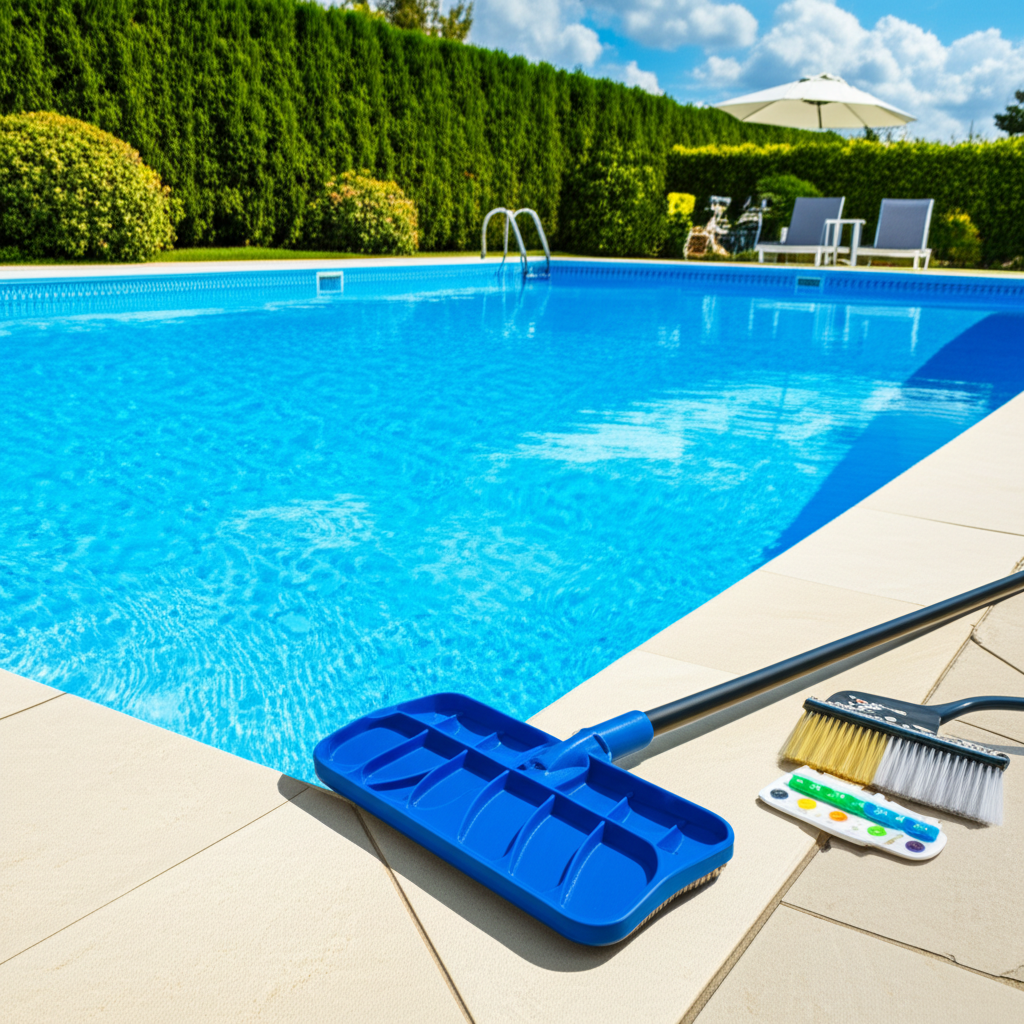
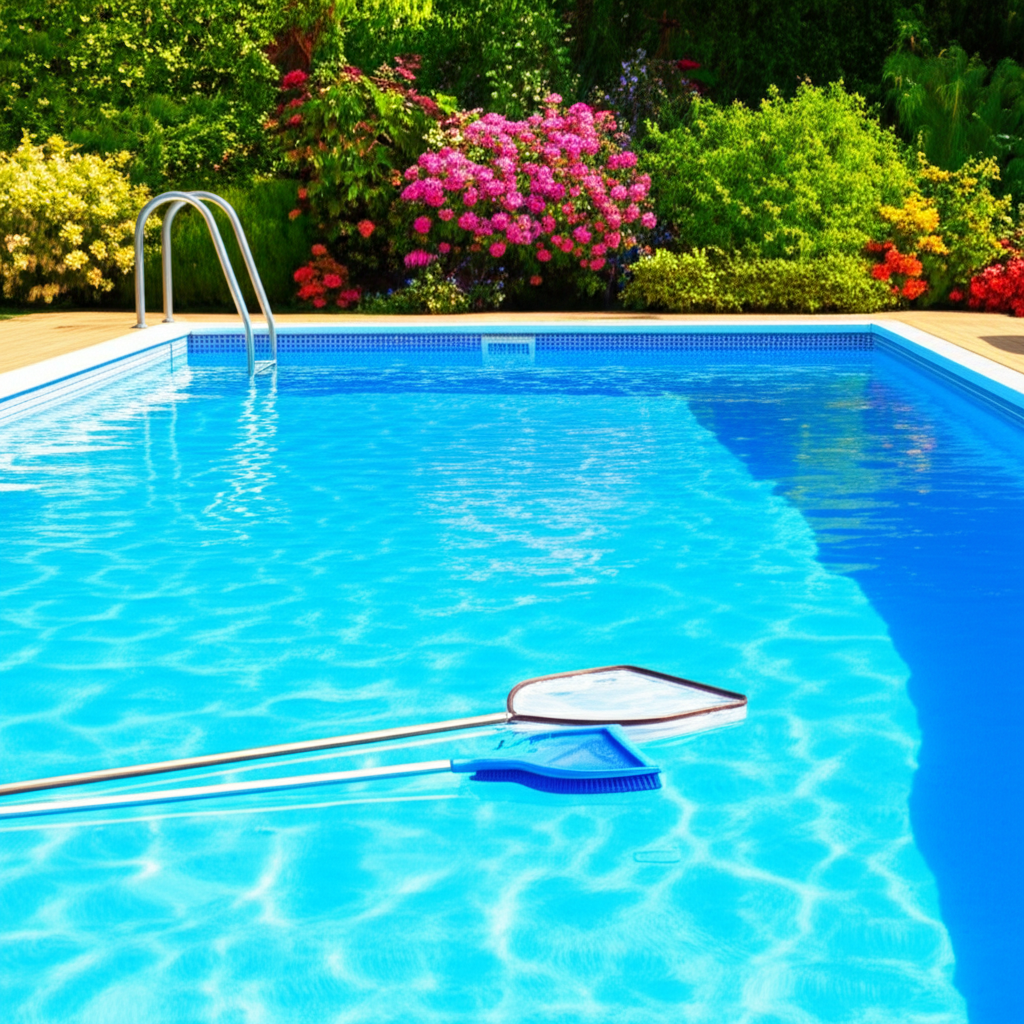
Skimming and Brushing: This is your daily defense against debris. Use a long-handled skimmer net to remove leaves, insects, and other floating items from the water surface. This prevents organic matter from decomposing and consuming your sanitizer. Equally important is brushing the walls and floor of your pool weekly. This dislodges dirt, grime, and nascent algae spores before they can take hold, allowing your filter system to capture them. Pay special attention to corners, steps, and any areas with poor water circulation.
Emptying Skimmer and Pump Baskets: Your skimmer and pump baskets are the first line of defense against larger debris reaching your filter or pump impeller. Check and empty them daily or every other day, especially during heavy use or windy conditions. A full skimmer basket restricts water flow, reducing the efficiency of your circulation system.
Checking Water Chemistry: This is arguably the most crucial weekly task. Use a reliable test kit (liquid, strips, or digital) to measure key parameters:
pH (7.4-7.6 ideal): Ensures sanitizer effectiveness and prevents skin/eye irritation.
Chlorine (1-3 ppm ideal): The primary sanitizer, killing bacteria and algae.
Alkalinity (80-120 ppm ideal): Acts as a buffer for pH, preventing drastic swings.
Adjust levels as needed using appropriate pool chemicals, following manufacturers’ instructions carefully.
Vacuuming: Depending on debris levels, vacuum your pool manually once a week or every other week. Alternatively, an automatic pool cleaner can handle this task for you, running regularly to keep the floor and sometimes walls spotless.
Diving Deeper: Monthly & Seasonal Pool Maintenance Tips
Beyond the weekly routine, some checks and treatments are necessary to maintain long-term health and clarity.
Filter Cleaning/Backwashing: Your filter is the pool’s kidney, trapping small particles.
Sand Filters: Backwash when the pressure gauge reads 8-10 psi above its clean operating pressure.
Cartridge Filters: Remove and rinse cartridges with a hose monthly, or when pressure rises. A deep clean with a filter cleaner is recommended every 3-6 months.
DE Filters: Backwash when pressure rises, and recharge with new diatomaceous earth. A full breakdown and cleaning are needed annually.
Shocking the Pool: Perform a “shock treatment” (super-chlorination) every 1-2 weeks, or after heavy use, rain, or if algae begins to appear. This involves adding a concentrated dose of chlorine to rapidly kill contaminants and break down chloramines (spent chlorine compounds). Do this in the evening to maximize effectiveness and test levels the next morning.
Inspecting Equipment: Periodically check all pool equipment—pump, heater, filter, skimmers, and return jets—for any signs of wear, leaks, or unusual noises. Addressing minor issues early can prevent costly breakdowns. Ensure the pump motor runs smoothly and is free from debris.
Achieving Stunning Pool Water: Advanced Tips
To elevate your pool care from simply clean to truly stunning, consider these additional factors:
Understanding Cyanuric Acid (CYA): CYA, or stabilizer, protects chlorine from degrading rapidly in sunlight. Maintain levels between 30-50 ppm. Too low, and chlorine dissipates quickly; too high, and chlorine becomes “locked up” and ineffective.
Calcium Hardness (200-400 ppm ideal): This refers to the amount of dissolved calcium in your water. Low calcium can make water “hungry,” causing it to leach calcium from pool surfaces (etching). High calcium can lead to scaling on surfaces and equipment.
Total Dissolved Solids (TDS): Over time, salts, minerals, and other dissolved matter accumulate in pool water. If TDS levels become too high (generally above 1500-2000 ppm above tap water levels), the water can look dull, and chemicals may become less effective. The only remedy is partially or completely draining and refilling the pool.
Enzymes and Clarifiers: Pool enzymes break down non-living organic contaminants (oils, lotions, sweat) that can make water cloudy and put a strain on sanitizers. Water clarifiers work by coagulating tiny particles into larger ones that the filter can easily capture, enhancing water sparkle. Use these as a supplement, not a replacement, for proper chemistry.
Winterizing & Opening Your Pool: Seasonal Pool Care
Preparing your pool for the off-season and then reopening it correctly are crucial for its longevity and your wallet.
Winterizing: This involves balancing water chemistry, lowering the water level, adding winterizing chemicals (algaecide, stain preventative), and covering the pool securely. It also includes “blowing out” the lines to prevent freeze damage.
Opening: Involves removing the cover, topping up the water, reconnecting equipment, bringing chemical levels back to balance, and running the filtration system. Be prepared for some initial cleaning and chemical adjustments.
By embracing these simple yet effective pool care strategies, you can minimize hassle, maximize enjoyment, and ensure your pool remains a beautiful, shimmering centerpiece for years to come. Consistency is key, turning routine tasks into a rewarding habit that safeguards your aquatic retreat.