- Understanding the Risks of Poolside Electricity
- What Exactly is a GFCI Outlet? The Lifesaving Mechanism
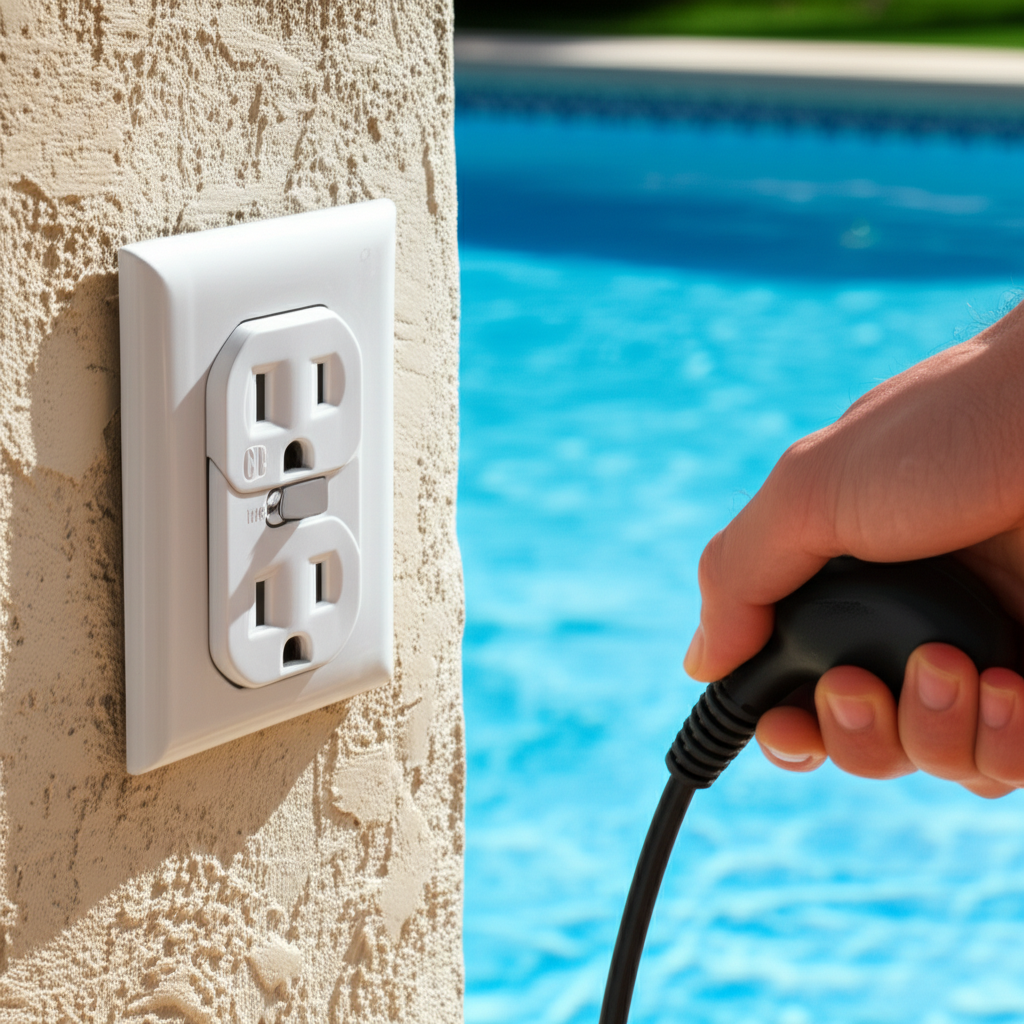
- Enhancing Pool Electrical Safety with GFCI Outlets
- Placement and Professional Installation of GFCI Outlets
- Testing Your GFCI Outlets: A Lifesaving Routine
- Beyond GFCIs: Comprehensive Pool Electrical Safety Tips
Pool Electrical systems, while essential for the enjoyment and maintenance of any swimming pool, inherently present unique safety challenges due to the constant presence of water. The interaction of electricity and water creates a hazardous environment where a minor fault can have severe, even fatal, consequences. This is precisely why understanding and implementing robust electrical safety measures, particularly the widespread use of Ground Fault Circuit Interrupter (GFCI) outlets, is not just a recommendation but a critical necessity for every pool owner.
Understanding the Risks of Poolside Electricity
Water is an excellent conductor of electricity, meaning that if an electrical current comes into contact with pool water, it can quickly spread, energizing the entire body of water. This creates an immediate and serious risk of electric shock or electrocution for anyone in or near the pool. Common electrical components around a pool include:
Pool Pumps: Circulate water for filtration.
Heaters: Maintain comfortable water temperatures.
Lights: Underwater and perimeter lighting.
Automatic Pool Cleaners: Robotic devices that operate in the water.
Saltwater Chlorinators: Convert salt into chlorine.
General Purpose Outlets: For radios, tools, or other poolside electronics.
Any malfunction in these devices, such as a frayed wire, a faulty seal, or an accidental immersion, can lead to a dangerous situation. Protecting against these unseen dangers requires vigilant attention to electrical standards and the installation of specific safety devices like GFCI outlets.
What Exactly is a GFCI Outlet? The Lifesaving Mechanism
A Ground Fault Circuit Interrupter (GFCI) outlet is a fast-acting circuit breaker designed to shut off electric power in the event of a ground fault. But what constitutes a “ground fault”?
Normally, electricity flows in a closed circuit, from the power source, through an appliance, and back to the source. A GFCI monitors this flow, constantly comparing the amount of current going out on the hot wire with the amount returning on the neutral wire. If the GFCI detects even a tiny imbalance – as little as 4-5 milliamperes (mA) – it instantly trips, cutting off power within fractions of a second (typically 1/40th of a second).
This imbalance indicates that electricity is escaping the circuit and finding an unintended path to the ground, which could be through water, a metal object, or, most alarmingly, a person. This quick interruption of power can prevent a severe or fatal electrical shock. Unlike standard circuit breakers, which protect against overloads and short circuits, GFCIs are specifically designed to protect people from shock hazards caused by ground faults.
Enhancing Pool Electrical Safety with GFCI Outlets
The National Electrical Code (NEC) mandates the use of GFCI protection for specific outlets and circuits in areas where water might be present, especially around swimming pools and spas. This isn’t just about protecting the equipment; it’s fundamentally about protecting lives.
For pool electrical installations, GFCI protection is required for:
All 120-volt, single-phase, 15- and 20-ampere receptacles located within 20 feet of the pool’s edge.
All outlets for pool pump motors.
Underwater lighting circuits operating at more than the low-voltage contact limit.
Specific circuits for spas, hot tubs, hydromassage baths, and similar installations.
Receptacles for self-contained, cord-and-plug-connected swimming pool filters or pumps.
This widespread requirement ensures that virtually any electrical device used near or connected to your pool is protected against ground faults. Whether it’s the pool pump, an outdoor stereo, or even a leaf blower used near the water, a GFCI provides a critical safety buffer.
Placement and Professional Installation of GFCI Outlets
For optimal safety, GFCI outlets must be correctly placed and properly installed. While the NEC provides specific distance requirements, a general rule of thumb is to ensure that any outlet within reach of a pool or spa has GFCI protection.
Installation should always be carried out by a qualified, licensed electrician. They understand the intricacies of local electrical codes, proper wiring techniques, and the specific requirements for pool and spa environments. A DIY approach to pool electrical work can inadvertently create hazards that compromise safety. Electricians can install GFCI protection in several ways:
1. GFCI Receptacles: These replace standard outlets and provide individual protection for devices plugged into them.
2. GFCI Circuit Breakers: Installed in the main electrical panel, these provide GFCI protection for an entire circuit and all outlets on it. This is often preferred for high-amperage pool equipment.
3. Portable GFCIs: Plugged into a standard outlet, these offer temporary protection for tools or appliances used outdoors.
Testing Your GFCI Outlets: A Lifesaving Routine
Having GFCI outlets installed is only half the battle; ensuring they are functioning correctly is the other. GFCIs should be tested monthly to confirm they are operational. This simple test can literally save a life.
How to Test a GFCI Outlet:
1. Plug in an appliance (like a lamp) to the GFCI outlet to ensure there is power.
2. Press the “TEST” button on the GFCI outlet. The appliance should immediately turn off, and you should hear a “click.”
3. Press the “RESET” button. The appliance should turn back on, indicating the GFCI is functioning correctly.
If the appliance does not turn off when you press “TEST,” or if it doesn’t turn back on when you press “RESET,” the GFCI is faulty and needs to be replaced immediately by a qualified electrician. Never assume a GFCI is working simply because power is flowing; regular testing is paramount.
Beyond GFCIs: Comprehensive Pool Electrical Safety Tips
While GFCI outlets are the cornerstone of pool electrical safety, they are part of a broader safety strategy. Consider these additional tips:
Regular Electrical Inspections: Have a licensed electrician inspect your pool’s entire electrical system periodically, especially if you notice any unusual behavior or after a significant weather event.
Avoid Extension Cords: Do not use extension cords as a substitute for permanent wiring, particularly around the pool. If absolutely necessary for a temporary purpose, always use heavy-duty outdoor-rated cords and ensure they are plugged into a GFCI-protected outlet.
Keep Electronics Away: Keep radios, stereos, phones, and other electronic devices a safe distance from the pool edge.
Proper Grounding and Bonding: Ensure your pool equipment is correctly grounded and bonded. This creates a low-resistance path to the earth, helping to prevent dangerous voltage differences between metal components.
Stay Clear in a Storm: During lightning storms, exit the pool immediately.
In conclusion, safe enjoyment of your swimming pool hinges significantly on a robust and well-maintained pool electrical system, with GFCI outlets playing an indispensable role. By understanding their function, ensuring proper installation, and performing routine testing, you create a protective barrier that safeguards against the inherent dangers of electricity and water, making your pool a truly safe and relaxing oasis. Prioritize these essential safety measures, and you can swim with peace of mind.