- The Tragic Catalyst: Why the Virginia Graeme Baker Act Was Needed
- Understanding the Pillars of the Virginia Graeme Baker Act
- Crucial Drain Safety: Beyond Public Facilities
- The Lasting Impact on Drain Safety
The Virginia Graeme Baker Act stands as a landmark piece of federal legislation in the United States, fundamentally changing how we approach pool and spa safety. Enacted in December 2007, this pivotal law emerged from a tragic incident, aiming to prevent future drownings and life-altering injuries caused by suction entrapment in swimming pools and spas. It mandates specific safety requirements for all public pools and spas, making crucial drain safety a top priority and significantly mitigating risks that were once a silent, deadly threat.
The Tragic Catalyst: Why the Virginia Graeme Baker Act Was Needed
The genesis of the Virginia Graeme Baker Act is rooted in profound sorrow. In 2002, 7-year-old Virginia Graeme Baker became entrapped by the suction of a spa drain and drowned. Despite her mother’s heroic efforts to pull her free, the powerful suction force was insurmountable. Her death brought national attention to the insidious danger of faulty or outdated drain systems in pools and spas, where immense suction can pin a person to a drain, making escape impossible. Before the Act, many public and private pools had single-suction drain outlets, creating a hazard where a person’s body, hair, or limbs could become inextricably trapped. Children, with their smaller bodies and playful curiosity, were particularly vulnerable to these dangers, which included limb entrapment, body entrapment, hair entrapment, evisceration, and mechanical entrapment.
Understanding the Pillars of the Virginia Graeme Baker Act
The Act is comprehensive, establishing stringent requirements designed to prevent these types of entrapment. Its core provisions, primarily enforced through state and local agencies, revolve around two major safety fronts:
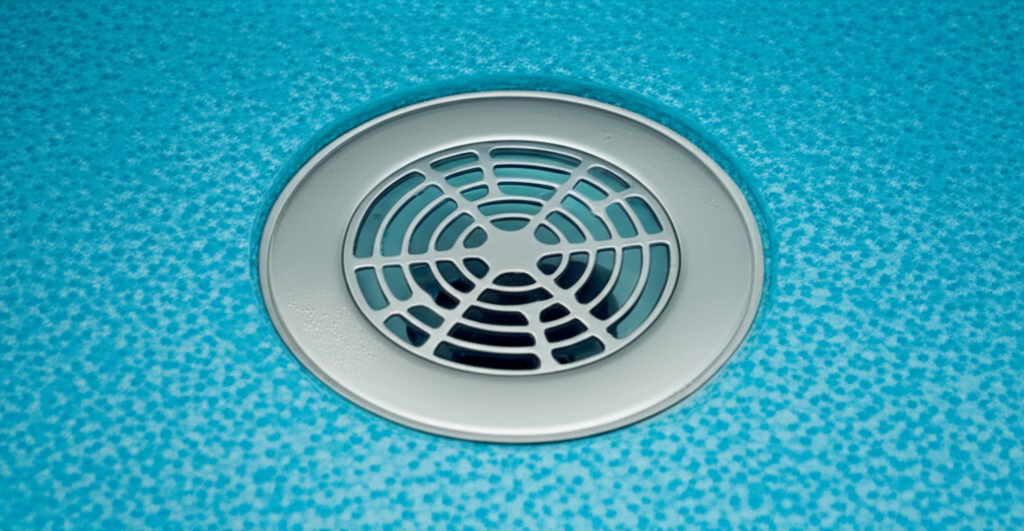
1. Mandatory Safety Drain Covers: All public pools and spas must be equipped with anti-entrapment drain covers that comply with the ASME/ANSI A112.19.8-2007 standard. These covers are specifically designed to be convex or grate-like, preventing a flat surface where suction could create a seal. This significantly reduces the risk of body or limb entrapment.
2. Secondary Safety Systems: In addition to improved drain covers, the Act mandates the installation of at least one other entanglement prevention system. These include:
Safety Vacuum Release Systems (SVRS): These devices detect a blockage at the main drain and automatically shut off the pump or reverse its flow, releasing the suction.
Automatic Pump Shut-Off Systems: Similar to SVRS, these systems identify sudden pressure changes indicative of entrapment and turn off the pump.
Gravity Drainage Systems: These systems funnel water to a separate collector tank rather than directly to the pump, effectively eliminating direct suction at the drain.
Multiple Main Drains: By installing at least two main drains that are plumbed at least three feet apart, the suction force is effectively diffused across multiple points, ensuring that if one drain is blocked, the other can still operate, preventing intense localized suction.
These provisions apply to every public pool and spa in the United States, including those at hotels, apartments, community centers, and schools. Furthermore, the Act also prohibits suction outlet fittings that could make a person vulnerable to entrapment.
Crucial Drain Safety: Beyond Public Facilities
While the Virginia Graeme Baker Act primarily targets public pools and spas, its spirit and safety principles extend to residential settings. Homeowners with backyard pools and spas are strongly encouraged to adhere to similar safety standards to protect their families and guests. Updating old drain covers to VGB-compliant models, installing a Safety Vacuum Release System (SVRS), or ensuring multiple drains are present can provide crucial peace of mind.
Regular inspection of all drain covers for signs of damage or wear is equally important. Even a compliant drain cover can become a hazard if it’s cracked, loose, or missing screws. Prompt replacement or repair is essential to maintain the integrity of the safety system. Education about the dangers of suction entrapment and teaching children to stay away from pool drains are also layers of protection that complement the technological safeguards.
The Lasting Impact on Drain Safety
Since its implementation, the Virginia Graeme Baker Act has had a profound and measurable impact on pool safety. Reports indicate a significant decrease in drain entrapment incidents, saving countless lives and preventing serious injuries. The Act serves as a powerful reminder of the importance of proactive safety legislation and the continuous need for vigilance in maintaining safe recreational environments.
The ongoing success of the Act relies on consistent enforcement, continued consumer awareness, and advancements in pool safety technology. As pool and spa designs evolve, so too must the safety standards that protect users. The legacy of Virginia Graeme Baker lives on in these vital protections, ensuring that the devastating tragedy that spurred its creation is not repeated. By understanding and upholding the principles of this Act, we ensure that every swim is a safe and enjoyable experience for everyone.