- How an Electric Heat Pump Transforms Pool Heating
- The Unrivaled Efficiency of Pool Heat Pumps
- Key Benefits of Choosing an Electric Heat Pump
- Maximizing Your Pool Heating Efficiency
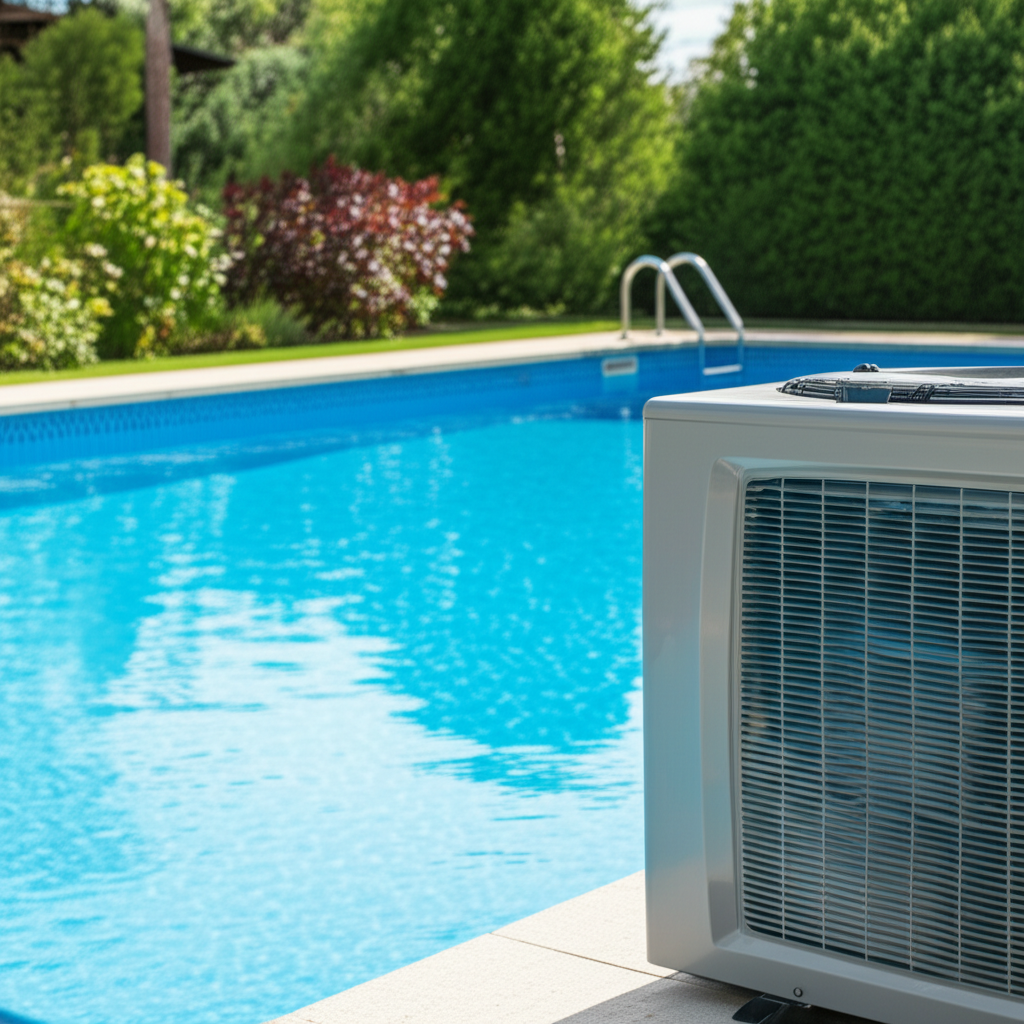
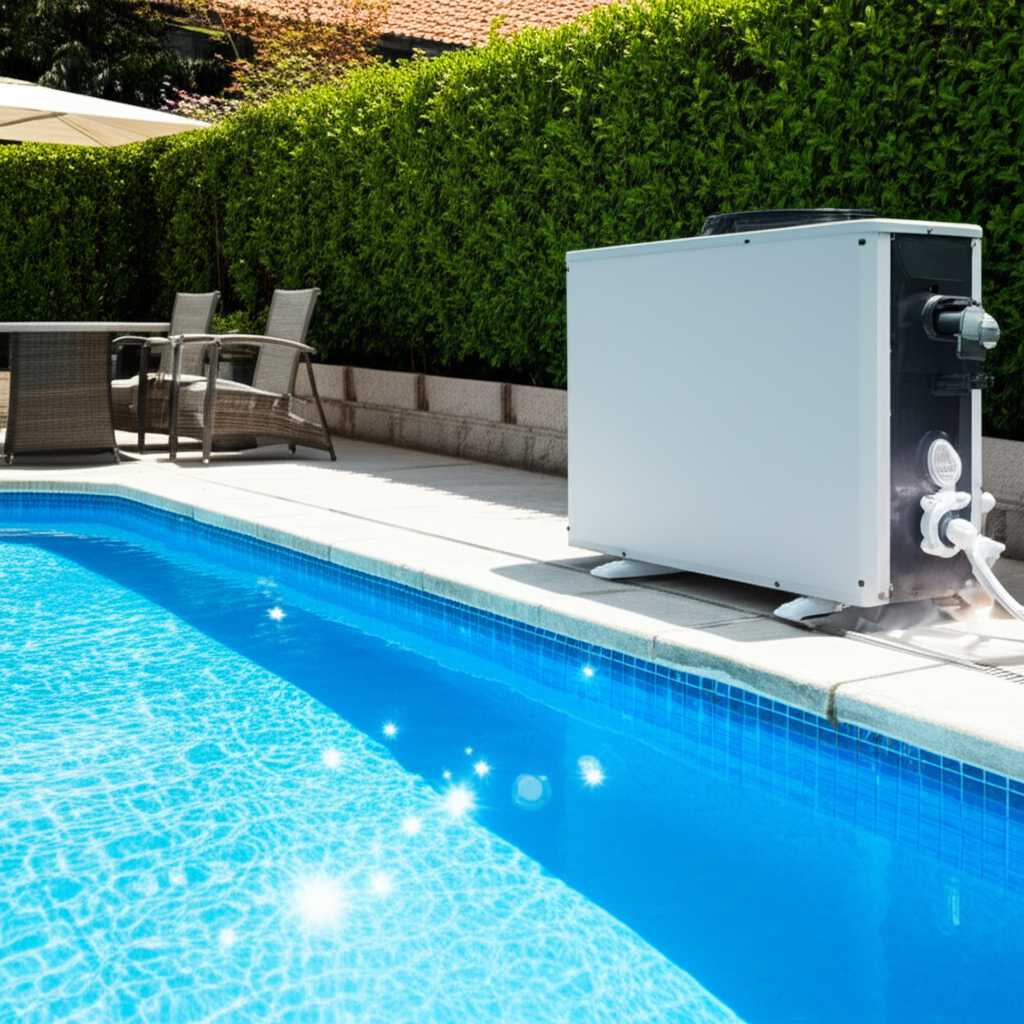
Pool Heat Pumps represent the pinnacle of modern pool heating efficiency, offering an environmentally conscious and cost-effective solution for extending your swimming season. Unlike traditional gas heaters that burn fuel or electric resistance heaters that directly convert electricity to heat, a high-efficiency electric heat pump works by extracting latent heat from the surrounding air and transferring it directly into your pool water. This innovative method drastically reduces energy consumption, making year-round swimming a more sustainable and affordable reality.
How an Electric Heat Pump Transforms Pool Heating
The operational principle behind an electric heat pump is remarkably simple yet incredibly effective. Instead of creating heat, these units move it. They function much like a reverse air conditioner. A fan draws in ambient air, which then passes over an evaporator coil containing a liquid refrigerant. This refrigerant absorbs the heat from the air, causing it to turn into a warm gas. The gas is then compressed, increasing its temperature, before flowing through a condenser coil. Here, the superheated gas transfers its warmth to the cooler pool water circulating through the heat pump, and as it gives up its heat, the refrigerant condenses back into a liquid, ready to repeat the cycle.
This heat transfer process is what makes an electric heat pump so efficient. For every unit of electricity consumed to operate the compressor, fan, and controls, a heat pump can deliver multiple units of heat energy into your pool water. This incredible conversion rate is measured by the Coefficient of Performance (COP), where higher numbers indicate greater efficiency. Top-tier pool heating heat pumps often boast COPs ranging from 5 to 7 or even higher, meaning for every dollar you spend on electricity, you get five to seven times the heating power compared to direct electric heating.
The Unrivaled Efficiency of Pool Heat Pumps
When discussing ultimate pool heating efficiency, Pool Heat Pumps stand in a league of their own. Their ability to leverage ambient air temperature makes them far more cost-effective over their lifespan than other heating methods.
Compared to Gas Heaters: Gas heaters burn natural gas or propane, directly generating heat. While they offer rapid heating, their operational costs are significantly higher due to fluctuating fuel prices and less efficient heat transfer. Gas heaters typically have an efficiency of 80-85%, meaning 15-20% of the energy is lost. Heat pumps, as discussed, recycle energy, offering 500-700% efficiency in ideal conditions.
Compared to Electric Resistance Heaters: Electric resistance heaters convert 100% of the electrical energy into heat. While this seems efficient, it means a 1:1 ratio. Heat pumps, by contrast, are moving heat, not creating it, making them far superior in terms of energy consumption for pool heating purposes.
This translates into substantial savings on monthly utility bills, particularly for those who wish to extend their swimming season by several months or even year-round. Over time, the initial investment in a pool heat pump is often recouped through these significant energy savings, making them a wise long-term choice.
Key Benefits of Choosing an Electric Heat Pump
Beyond their superior efficiency, there are numerous advantages to selecting an electric heat pump for your pool:
1. Eco-Friendly Operation: By utilizing renewable heat energy from the air, heat pumps significantly reduce your carbon footprint compared to fossil fuel-burning heaters.
2. Consistent and Comfortable Temperatures: Heat pumps provide a steady, consistent warmth, allowing you to set and maintain your desired pool temperature with precision. Many models come with digital thermostats and even smart controls.
3. Quiet Performance: Modern electric heat pump units are designed for exceptionally quiet operation, ensuring your backyard oasis remains peaceful and relaxing.
4. Durability and Longevity: Built with robust components like titanium heat exchangers, pool heat pumps are designed to withstand corrosive pool chemicals and harsh weather, offering a long operational lifespan, typically 10-20 years with proper maintenance.
5. Cooling Capability (on some models): In warmer climates, some heat pump models also offer a “chill” mode, allowing them to cool down excessively warm pool water, enhancing comfort during peak summer months.
6. Low Maintenance: Generally, pool heat pumps require minimal maintenance, mainly consisting of keeping the fan and coils clear of debris and ensuring proper water flow.
Maximizing Your Pool Heating Efficiency
To truly achieve ultimate pool heating efficiency with your heat pump, consider these supplementary practices:
Invest in a Pool Cover: A good quality pool cover (especially a solar cover or automated insulated cover) is your best friend when it comes to retaining heat. Up to 70% of heat loss occurs through evaporation at the water’s surface. A cover drastically reduces this, allowing your heat pump to work less and save more energy.
Proper Sizing: Ensure your heat pump is correctly sized for your pool’s volume, location, and desired temperature. An undersized unit will struggle to heat effectively, while an oversized one might be an unnecessary expense upfront.
Optimal Placement: Install the unit in a location with ample airflow around the coil and away from prevailing winds to ensure it can efficiently draw in heat from the ambient air.
Regular Maintenance: Keep the evaporator coil clean and free from leaves or debris to ensure efficient heat transfer. Periodically check filter pressure and water flow.
In conclusion, for homeowners seeking the most environmentally friendly, cost-effective, and consistently comfortable way to heat their swimming pool, a modern electric heat pump offers an unparalleled solution. By harnessing the free energy abundant in the air, these sophisticated devices provide a sustainable path to extend your pool enjoyment, proving that ultimate pool heating efficiency is not just a dream, but a practical reality.