- How Does Solar Pool Heating Actually Work?
- The Undeniable Benefits of Embracing Solar for Your Pool
- Are Solar Pool Heaters Right for Your Setup?
- Understanding the Types of Solar Pool Heating Systems
- Installation and Minimal Maintenance
- The Long-Term Value Proposition
Solar Pool Heaters: the ultimate solution for extending your swimming season without breaking the bank. For many pool owners, the dream of a comfortably warm pool often collides with the reality of high energy bills associated with traditional heating methods. However, a revolutionary and increasingly popular alternative harnessing the power of the sun offers a pathway to consistent warmth that’s both economically sensible and environmentally responsible.
Imagine dipping into your pool on a crisp spring morning or enjoying a twilight swim well into autumn, all while knowing your heating system is running on a free, abundant energy source. This isn’t a distant fantasy; it’s the everyday reality for those who have embraced solar technology for their aquatic havens.
How Does Solar Pool Heating Actually Work?
The concept behind solar heating for pools is ingeniously simple yet incredibly effective. A solar pool heating system typically consists of several key components:
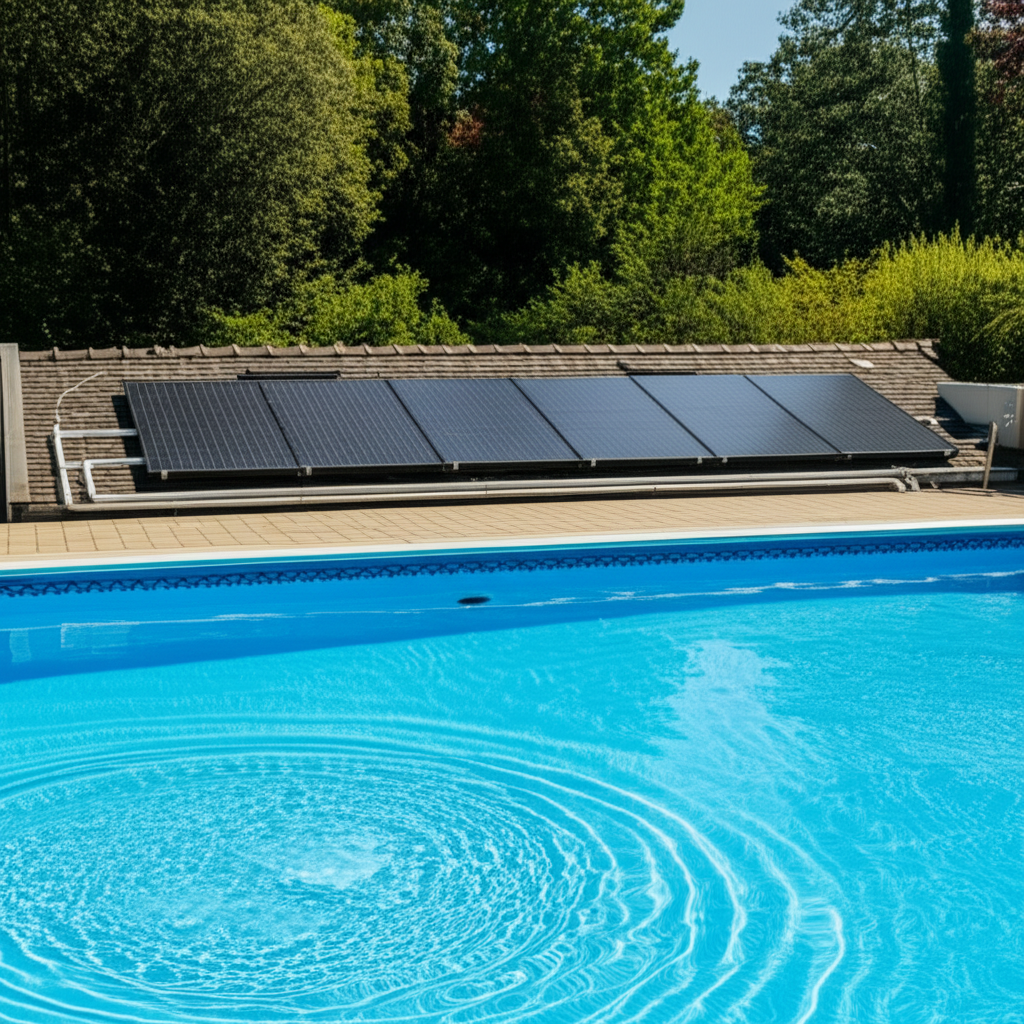
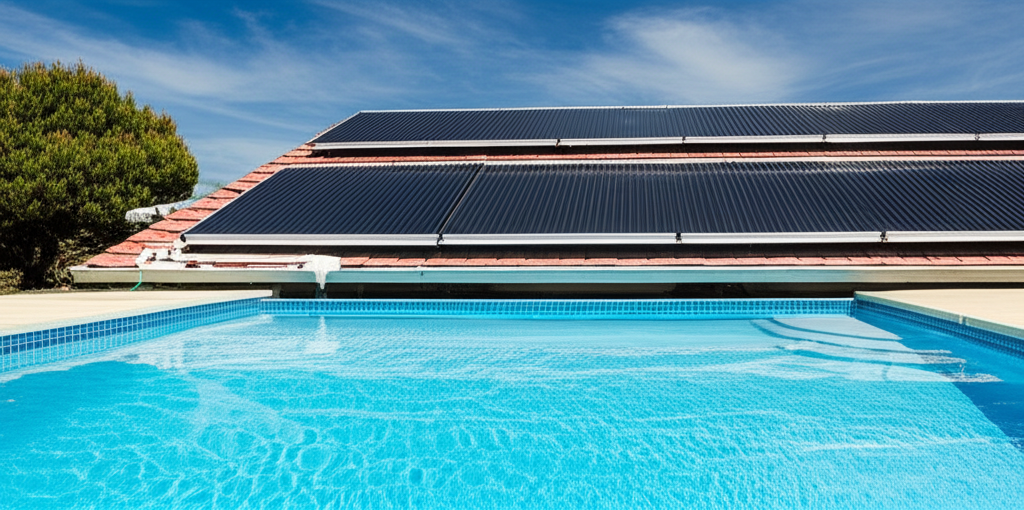
1. Solar Collectors (Solar Panels for Pool): These are usually a series of black rubber or plastic mats, often mounted on a roof or a dedicated rack with good sun exposure.
2. Pump: Your existing pool pump (or a dedicated solar pump) circulates water from the pool.
3. Filter: Before entering the collectors, the water passes through your pool’s filter to remove debris.
4. Diverter Valve: This valve directs filtered pool water through the solar collectors.
5. Controller (Optional but Recommended): An automatic controller monitors the pool and collector temperatures, turning the system on and off as needed to maintain your desired pool temperature.
Here’s the process: Cold water is pumped from your pool, through your existing filter, and then up to the solar collectors. As the water flows through the many small tubes within the collectors, it absorbs heat from the sun’s radiation. This warmed water then flows directly back into your pool. This cycle continues until your pool reaches the desired temperature, making efficient use of available sunlight.
The Undeniable Benefits of Embracing Solar for Your Pool
Choosing a solar solution for your pool brings a wealth of advantages that go beyond just a comfortable swim.
Remarkable Affordability: This is perhaps the most compelling benefit. While there’s an initial investment for installing solar panels for pool heating, the operating costs are virtually zero. Unlike gas heaters or electric heat pumps which incur significant monthly utility bills, solar energy is free. Over the lifespan of the system, this translates to thousands of dollars in savings, making it the most cost-effective heating method available.
Eco-Friendly and Sustainable: By utilizing renewable energy from the sun, you drastically reduce your carbon footprint. Solar pool heaters produce no greenhouse gas emissions during operation, contributing to a healthier planet. It’s a choice that feels good for both your wallet and the environment.
Extended Swimming Season: One of the primary motivations for any pool heater is to lengthen the period you can comfortably use your pool. Solar systems excel at this, often adding several weeks or even months to your swimming season, allowing you to enjoy your investment for a greater portion of the year.
Low Maintenance and High Durability: Modern solar pool heating systems are built to last, often coming with warranties spanning 10-12 years, but often performing well for 20 years or more. They have few moving parts (besides your existing pump), meaning minimal maintenance and fewer potential points of failure compared to complex mechanical heating systems.
Quiet Operation: Unlike noisy gas heaters or heat pumps, solar systems operate silently, letting you enjoy the peaceful ambiance of your backyard without any distracting hums or whirs.
Are Solar Pool Heaters Right for Your Setup?
While incredibly versatile, several factors influence the optimal performance of solar pool heaters for your specific situation.
Sun Exposure: The most crucial element. Your roof or designated mounting area needs direct, unobstructed sunlight for at least 6-8 hours a day, especially during peak swimming months. Shading from trees or neighboring buildings can significantly impact efficiency.
Roof Space: You’ll need adequate roof space (or ground space) to install the necessary number of solar collectors. The general rule of thumb is that the collector area should be between 50-100% of your pool’s surface area, depending on your climate and desired temperature.
Pool Size and Type: Larger pools naturally require more collector surface area. In-ground and above-ground pools can both benefit from solar heating.
* Climate: While solar works effectively in many climates, colder regions might require a larger solar array or a more efficient glazed collector system to achieve desired temperatures. Milder climates often see excellent results with unglazed systems.
A professional assessment can help determine the ideal system size and placement for your unique circumstances, ensuring you maximize the benefits of solar heating.
Understanding the Types of Solar Pool Heating Systems
There are primarily two types of solar collectors used for pool heating:
1. Unglazed Collectors: These are the most common type for residential pool heating. They consist of black rubber or plastic mats that absorb solar radiation and efficiently transfer that heat to the water flowing through them. They are cost-effective, durable, and perform exceptionally well in most climates, especially for extending the swimming season.
2. Glazed Collectors: These collectors are similar to those used for domestic hot water heating, with a glass or polycarbonate cover over the absorber plate. This “glazing” creates a greenhouse effect, trapping more heat. They are more expensive but are more efficient in colder climates or when higher pool temperatures are desired, as they lose less heat to the ambient air.
For the vast majority of pool owners, unglazed systems provide the perfect balance of performance and affordability, making them the default choice for effective solar heating.
Installation and Minimal Maintenance
Installing solar panels for pool warming can be a DIY project for the very handy, but professional installation is highly recommended to ensure optimal system design, proper plumbing, and secure mounting. Experts can correctly size the system, choose the best placement for the collectors, and ensure everything is up to code.
Once installed, maintenance is remarkably simple. Beyond routine pool chemistry and occasional visual inspections for damage or debris, your solar pool heater pretty much takes care of itself. There are no filters to change, no fuel lines to worry about, and no complex machinery to service regularly.
The Long-Term Value Proposition
When weighing your options for pool heating—whether it’s an electric heat pump, a natural gas heater, or propane—it becomes clear that solar Pool Heaters offer unparalleled long-term value. While other systems may offer faster heating or higher temperatures in specific conditions, none can match the zero operational costs and environmental friendliness of solar. The initial investment is quickly recouped through energy savings, making it a wise and sustainable choice for any pool owner.
Embracing solar is more than just installing equipment; it’s investing in a lifestyle that prioritizes year-round enjoyment, financial prudence, and environmental stewardship. Dive into the future of pool heating and experience the ultimate affordability and comfort that only the sun can provide.