- The Allure of Warm Water: Why Invest in Pool Heating?
- Understanding Your Options: A Deep Dive into Pool Heating Technologies
- The Power and Speed of Gas Heater Solutions
- Harnessing the Sun: The Efficiency of a Solar Heater
- The Efficient Challenger: Considering a Heat Pump
- Choosing Your Ideal Pool Heaters Solution
- Installation and Maintenance Considerations
- Making the Right Choice for Your Pool
Pool heaters transform a refreshing dip into a sublime, comfortable experience, extending your swimming season and increasing the enjoyment of your backyard oasis. While the joy of a warm pool is universal, the path to achieving it involves selecting the right heating technology. For many homeowners, the choice often narrows down to highly effective gas heaters or the eco-conscious efficiency of solar solutions. Understanding the distinct advantages and considerations of each can help you make an informed decision for your specific needs and lifestyle.
The Allure of Warm Water: Why Invest in Pool Heating?
Imagine diving into your pool in early spring or late autumn, not with a shiver, but with a sigh of contentment. Pool heating isn’t just a luxury; it’s an investment in lifestyle. It allows for longer swimming seasons, making your pool usable for more months out of the year, regardless of external temperatures. This extended usability maximizes the value of your pool investment, offering more opportunities for recreation, exercise, and relaxation. For families, a warmer pool encourages more time spent together outdoors, fostering active and healthy habits.
Understanding Your Options: A Deep Dive into Pool Heating Technologies
When it comes to warming your pool, several powerful technologies are at your disposal. While we’ll focus heavily on gas and solar, it’s also worth briefly considering heat pumps as a prominent third option.
The Power and Speed of Gas Heater Solutions
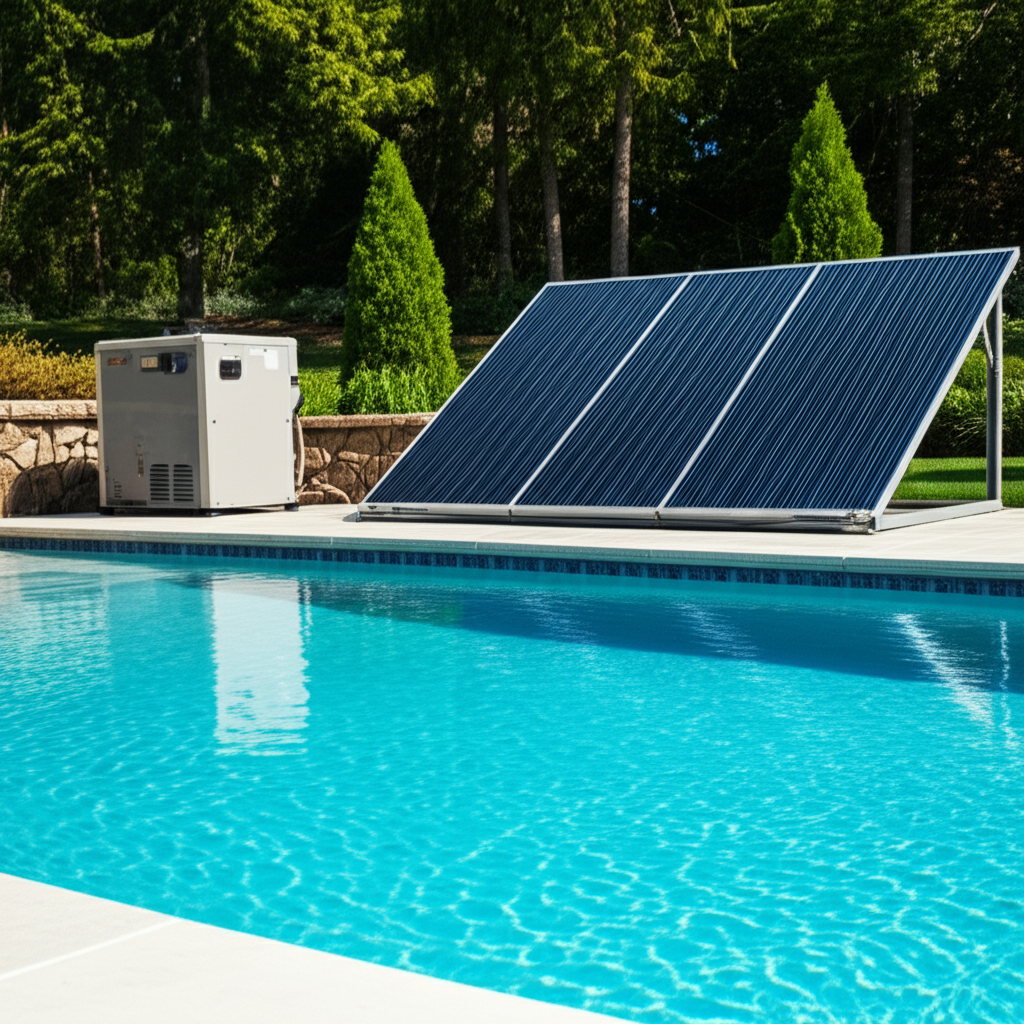
A gas heater (either natural gas or propane) is a powerhouse when it comes to rapid pool heating. These units operate much like a hot water heater for your home, burning fuel in a combustion chamber to heat water as it circulates through a heat exchanger.
Pros of a Gas Heater:
Speed: Gas heaters are incredibly fast, able to raise pool temperatures by several degrees per hour. This makes them ideal for spontaneous swims or for those who use their pool infrequently but want it warm on demand.
Reliability: They work regardless of ambient air temperature or sunlight availability, providing consistent heat even on cloudy days or cool nights.
Compact: Generally smaller in footprint compared to solar setups.
Cons of a Gas Heater:
Operating Costs: The primary drawback is the cost of fuel. Natural gas or propane can be expensive, especially for continuous heating or larger pools, leading to higher monthly utility bills.
Environmental Impact: As they burn fossil fuels, gas heaters have a larger carbon footprint compared to electric or solar options.
Installation: Requires access to a natural gas line or dedicated propane storage.
Harnessing the Sun: The Efficiency of a Solar Heater
A solar heater system harnesses the sun’s free energy to warm your pool, offering an environmentally friendly and cost-effective approach. These systems typically consist of solar collectors, usually black mats made of polypropylene, installed on a roof or a dedicated rack. Pool water is pumped through these collectors, where it absorbs heat from the sun before returning to the pool.
Pros of a Solar Heater:
Lowest Operating Costs: Once installed, the energy source (the sun) is completely free, making solar the most economical option to run over its lifespan.
Environmentally Friendly: Zero carbon emissions during operation, making them the greenest choice.
Longevity: Solar collectors are durable and can last for 15-20 years or more with proper maintenance.
Passive Heating: Silent operation.
Cons of a Solar Heater:
Sunlight Dependent: Their effectiveness is directly tied to sunlight availability. They work best on sunny days and are less effective on cloudy days or at night. They also struggle in very cold climates to achieve high temperatures without supplemental heating.
Slower Heating: Solar heaters typically heat pools more gradually than gas heaters.
Installation Space: Requires adequate, unshaded roof or ground space for collectors, which can be substantial depending on pool size.
The Efficient Challenger: Considering a Heat Pump
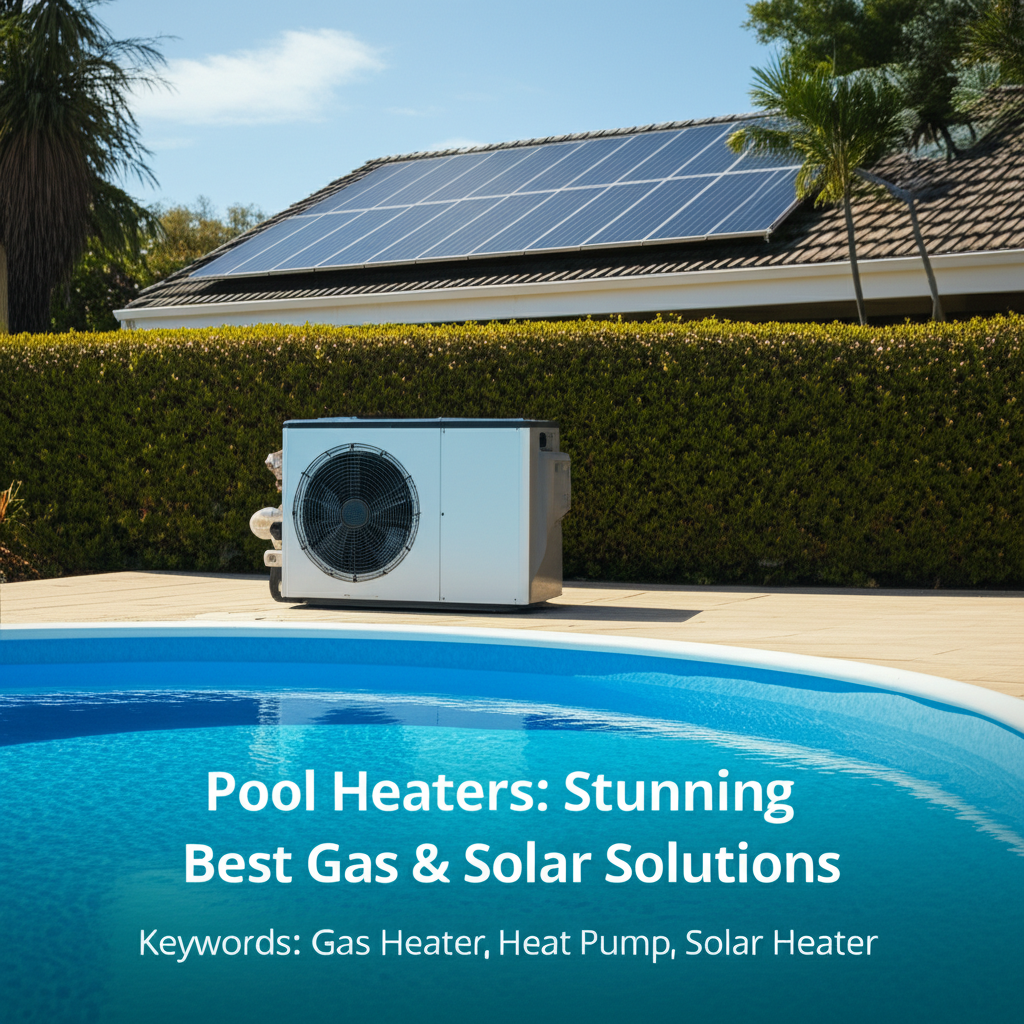
While not the primary focus, a pool heat pump is an excellent alternative often considered alongside gas and solar. It operates much like an air conditioner in reverse, drawing heat from the ambient air and transferring it to the pool water.
Pros of a Heat Pump:
High Efficiency: Significantly more energy-efficient than gas heaters, with lower operating costs as they only use electricity to move heat, not generate it.
Environmentally Friendlier: Produces fewer emissions than gas heaters.
Consistent Heat (within limits): Works in a wider range of conditions than solar, though efficiency drops in very cold temperatures.
Cons of a Heat Pump:
Slower Heating: Slower than gas heaters, though faster than solar.
Temperature Dependence: Less effective in very cold climates (typically below 50°F / 10°C).
Initial Cost: Often higher upfront than gas heaters.
Choosing Your Ideal Pool Heaters Solution
Deciding between a gas and a solar heater (or even a heat pump) involves weighing several factors:
1. Climate: If you live in an area with abundant sunshine and mild winters, solar is highly attractive. For colder climates or areas with frequent cloud cover, a gas heater offers reliable warmth.
2. Usage Frequency & Desired Speed: If you use your pool daily and want consistent warmth, a solar or heat pump system might be suitable. If you swim sporadically but need quick heating, a gas heater is superior.
3. Budget:
Initial Cost: Gas heaters typically have a lower upfront installation cost than solar or heat pump systems. Solar’s initial investment hinges on the size and complexity of the collector array.
* Operating Costs: Solar has virtually no operating costs. Heat pumps have moderate electrical costs. Gas heaters have the highest operating costs due to fuel consumption.
4. Environmental Concerns: If minimizing your carbon footprint is a priority, solar is the clear winner, followed by heat pumps.
5. Space Availability: Solar collectors require significant open, unshaded space, usually on a roof. Gas heaters and heat pumps have a smaller footprint but still need proper ventilation and clearance.
Installation and Maintenance Considerations
Regardless of your choice, professional installation is key to efficiency and safety. Ensure your chosen installer is experienced with the specific radiant pool heaters technology. Regular maintenance, such as cleaning solar panels or servicing gas lines and burners, will prolong the life of your system and ensure optimal performance.
Making the Right Choice for Your Pool
Ultimately, the best pool heaters solution is the one that aligns with your lifestyle, budget, and environmental values. Whether you prioritize the instant gratification and all-weather reliability of a gas heater or the long-term, eco-friendly savings of a solar heater, investing in a heating system will undoubtedly enhance your pool experience. By carefully considering your options and consulting with experts, you can ensure your backyard retreat remains a warm and inviting haven for years to come.