- Understanding Salt Cell Scaling and Its Impact
- Identifying Salt Cell Scaling
- Addressing Existing Salt Cell Scaling: The Cleaning Process
- Preventing Salt Cell Scaling: The Ultimate Long-Term Solution
- The Benefits of a Scale-Free Salt Cell
Salt Cell Scaling: Your Comprehensive Guide to Eradication and Prevention
Salt Cell Scaling is a common and often frustrating issue for saltwater pool owners. These mineral deposits, predominantly calcium, accumulate on the titanium plates of your salt chlorine generator (SWG) cell, hindering its ability to produce chlorine effectively. Understanding the causes, identification, and, most importantly, the proactive solutions to this problem is crucial for maintaining a healthy pool and extending the life of your valuable equipment. This article will provide the ultimate guide to not only removing existing scale but also preventing it from ever becoming an issue again.
Understanding Salt Cell Scaling and Its Impact
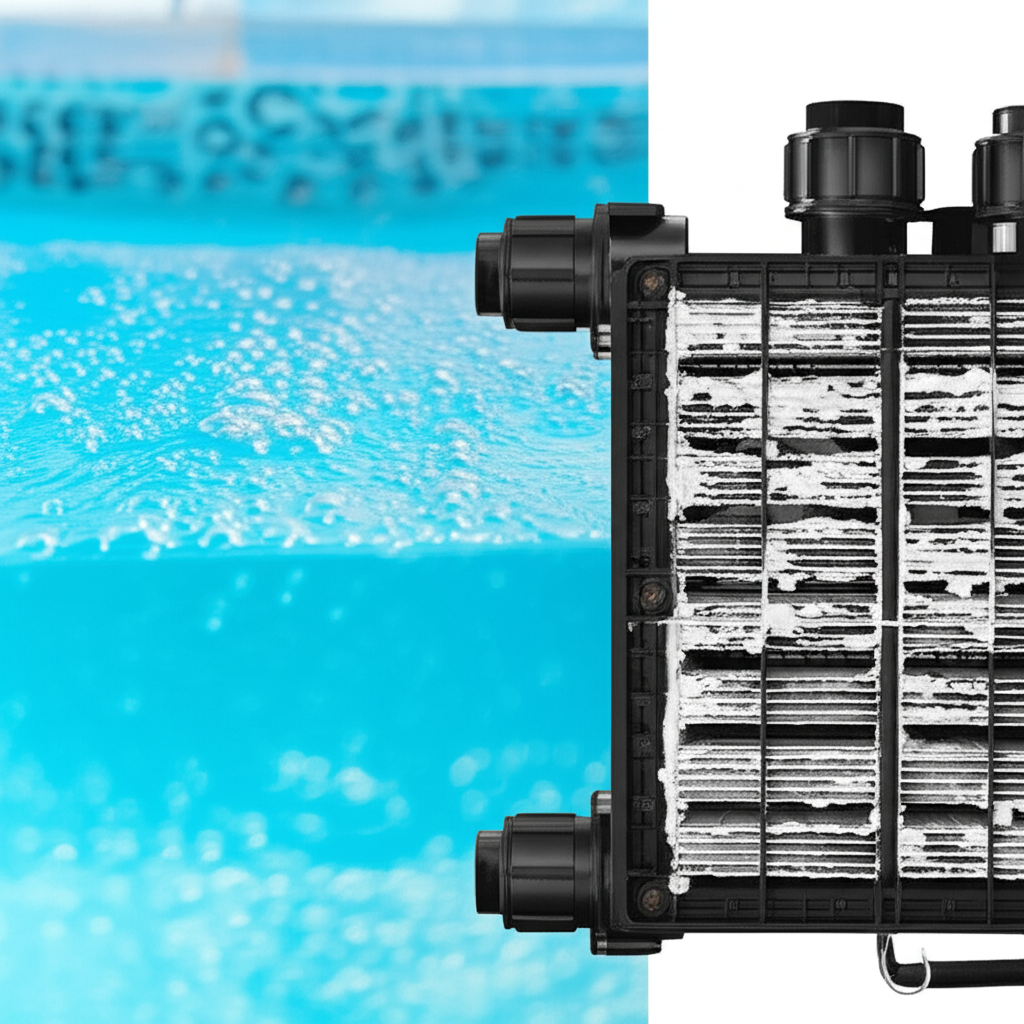
At its core, salt cell scaling is the precipitation of minerals, primarily calcium carbonate, onto the electrodes of your salt cell. This happens when the pool water’s chemistry becomes imbalanced, particularly when the pH and alkalinity levels are too high, or the water’s calcium hardness is excessive. These conditions create an environment where calcium loses its solubility and hardens onto surfaces, much like limescale in a kettle.
The immediate consequence of these calcium deposits is a drastic reduction in the salt cell’s efficiency. The scale acts as an insulator, blocking the electrical current flow needed to convert saltwater into chlorine. This means your cell has to work harder, consuming more energy while producing less chlorine. Over time, heavy scaling can cause irreversible damage to the cell’s fragile coatings, leading to premature failure and costly replacement. You might notice your pool water becoming cloudy or green despite your SWG running, or your cell’s “check cell” or “inspect cell” light illuminating more frequently.
Identifying Salt Cell Scaling
Regular inspection is your first line of defense against salt cell scaling. Visual inspection of the cell plates should be part of your routine pool maintenance. Look for:
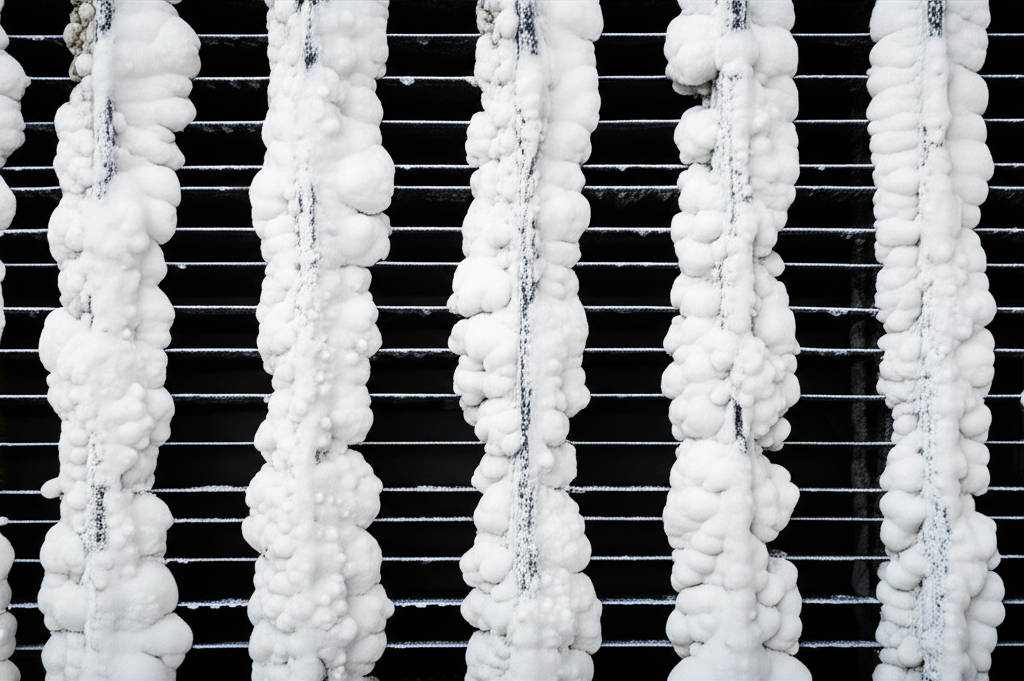
White, flaky, or crusty deposits: These are the tell-tale signs of scale building up on the metallic plates inside the cell.
Reduced chlorine output: If your pool is not maintaining adequate chlorine levels despite normal salt readings and optimal SWG run times, scaling could be the culprit.
Error codes or indicator lights: Many modern SWGs have diagnostic features that alert you to issues like low flow or restricted cell performance, often due to scale.
Early detection allows for easier removal and prevents more severe damage.
Addressing Existing Salt Cell Scaling: The Cleaning Process
Once you’ve identified calcium deposits on your salt cell, prompt action is required. The most effective method for removing established scale is an acid wash.
Acid Washing Your Salt Cell:
Safety First: Muriatic acid is corrosive. Always wear appropriate personal protective equipment (PPE), including acid-resistant gloves, eye protection, and long sleeves. Work in a well-ventilated area.
1. Preparation:
Shut off your pool pump and turn off the SWG.
Carefully disconnect the salt cell from the plumbing. Ensure all power is disconnected before handling.
Inspect any O-rings or gaskets for damage; replace if necessary.
2. Create the Acid Solution:
Use a non-metallic, clean bucket or a dedicated acid wash stand.
Slowly add 1 part muriatic acid to 4 parts water. Always add acid to water, never water to acid, to prevent dangerous splashing. A common ratio is 1 quart of acid to 1 gallon of water.
3. Soaking the Cell:
Submerge the cell vertically into the acid solution, ensuring the plates are fully covered. Some cells come with caps or stands to facilitate this.
You should observe fizzing or bubbling as the acid reacts with the calcium deposits.
Allow the cell to soak for approximately 5-15 minutes, or until the fizzing stops. Do not leave it submerged longer than necessary, as prolonged exposure can damage the cell’s coating.
For stubborn scale, you might gently agitate the cell. Do NOT use metal tools or brushes, which can scratch the plates. A plastic brush can be used if absolutely necessary.
4. Rinsing:
Once the scaling is gone, carefully remove the cell from the acid solution.
Rinse the cell thoroughly with a garden hose, flushing out any remaining acid residue from both ends.
Neutralize the acid solution in the bucket before disposal by slowly adding baking soda until fizzing stops.
5. Reinstallation:
Reinstall the clean cell into your plumbing, ensuring all connections are secure and leak-free.
Restore power and restart your pool pump and SWG.
Monitor the chlorine output and cell performance.
Preventing Salt Cell Scaling: The Ultimate Long-Term Solution
While acid washing is effective for removal, the true “ultimate solution” lies in prevention. Proactive management of your pool water chemistry is key to stopping calcium deposits before they start.
1. Maintain Balanced Water Chemistry: This is the most critical step.
pH Levels: Keep your pH between 7.4 and 7.6. High pH (above 7.8) is the primary driver of calcium scaling.
Total Alkalinity (TA): Maintain TA between 80-120 ppm. This acts as a buffer, helping to stabilize your pH.
Calcium Hardness (CH): Aim for 200-400 ppm. While calcium is necessary for pool surface integrity, levels above 400 ppm significantly increase the risk of scaling, especially with high pH. If levels are consistently high, consider partial draining and refilling with lower-hardness water, or consulting a regional pool professional for specific treatments.
Cyanuric Acid (CYA): Maintain levels between 30-50 ppm for chlorinated pools. While not directly related to scaling, proper CYA helps your chlorine last longer, reducing the need to overwork your SWG.
2. Regular Water Testing: Test your pool water at least weekly (more often in hot weather or with heavy use) to catch imbalances early. Adjust chemicals as needed.
3. Proper SWG Sizing and Run Times: Ensure your salt chlorine generator is appropriately sized for your pool volume and environmental conditions. Running your SWG for too short a period will result in insufficient chlorine, while running it excessively might accelerate wear and scaling if water chemistry isn’t perfect.
4. Reverse Polarity (Self-Cleaning) Cells: Many modern SWGs feature a “reverse polarity” or “self-cleaning” function. This technology periodically reverses the electrical charge on the plates, causing nascent scale to flake off. While highly effective, it doesn’t eliminate the need for proper water chemistry, as extremely aggressive scaling can still overwhelm this feature.
5. Anti-Scale Products: Pool chemical aisles offer various “anti-scalants” or “stain and scale control” products. These use chelating agents to bind with minerals, keeping them in suspension and preventing them from plating out. They can be a valuable supplementary tool, especially in areas with very hard water, but they are not a substitute for balanced water chemistry.
The Benefits of a Scale-Free Salt Cell
By diligently implementing these cleaning and, more importantly, prevention strategies, you’ll reap numerous benefits:
Extended Cell Lifespan: A clean, scale-free cell will operate efficiently and last significantly longer, delaying costly replacement.
Consistent Chlorine Production: Your pool will always have the sanitation it needs, keeping the water crystal clear and free of algae and bacteria.
Energy Efficiency: A well-maintained cell doesn’t have to work as hard, leading to lower electricity consumption.
Less Maintenance Hassle: Proactive prevention means less time spent on reactive cleaning, giving you more time to enjoy your pool.
Ultimately, preventing salt cell scaling is far more efficient and cost-effective than repeatedly cleaning it. By committing to balanced water chemistry and regular maintenance, you’ll ensure your salt chlorine generator performs optimally for years to come, providing you with a healthy, sparkling pool environment.