- What is a Vinyl Liner Pool?
- The Allure of the Vinyl Liner Pool: Key Advantages
- Navigating the Nuances: Disadvantages of a Vinyl Liner Pool
- Understanding Pool Liner Types
- Is a Vinyl Liner Pool Right for You? Making an Informed Decision
Vinyl Liner Pool: For many homeowners, the dream of a backyard oasis often includes a sparkling swimming pool. Among the various construction methods available, the vinyl liner pool stands out as a popular and often cost-effective choice. Understanding its unique characteristics, from its initial appeal to its long-term considerations, is crucial for anyone contemplating this type of aquatic addition. This comprehensive guide will walk you through the smart pros and cons, helping you make an informed decision for your outdoor living space.
What is a Vinyl Liner Pool?
At its core, a vinyl liner pool consists of a frame typically made from steel or polymer walls, set into an excavated hole. The base of the pool can be made of sand or vermiculite. The entire structure is then sealed with a custom-fabricated sheet of vinyl, which acts as the waterproof barrier. This design offers a distinct set of benefits and drawbacks compared to fiberglass or concrete (gunite/shotcrete) pools, making it a unique option in the swimming pool landscape.
The Allure of the Vinyl Liner Pool: Key Advantages
The popularity of vinyl liner pools isn’t accidental; they offer several compelling advantages that appeal to a wide range of homeowners.
Affordability: One of the most significant draws of a vinyl liner pool is its lower initial cost. Compared to fiberglass or, especially, concrete pools, vinyl liner installations generally have a more budget-friendly price tag. This makes the dream of owning a pool more accessible for many families.
Smooth and Non-Abrasive Surface: The most noticeable tactile advantage of the vinyl liner is its exceptionally smooth surface. Unlike concrete pools which can sometimes be rough on feet and skin, vinyl is soft and gentle. This means no scraped toes or snagged swimsuits, providing a more comfortable swimming experience for everyone, especially children.
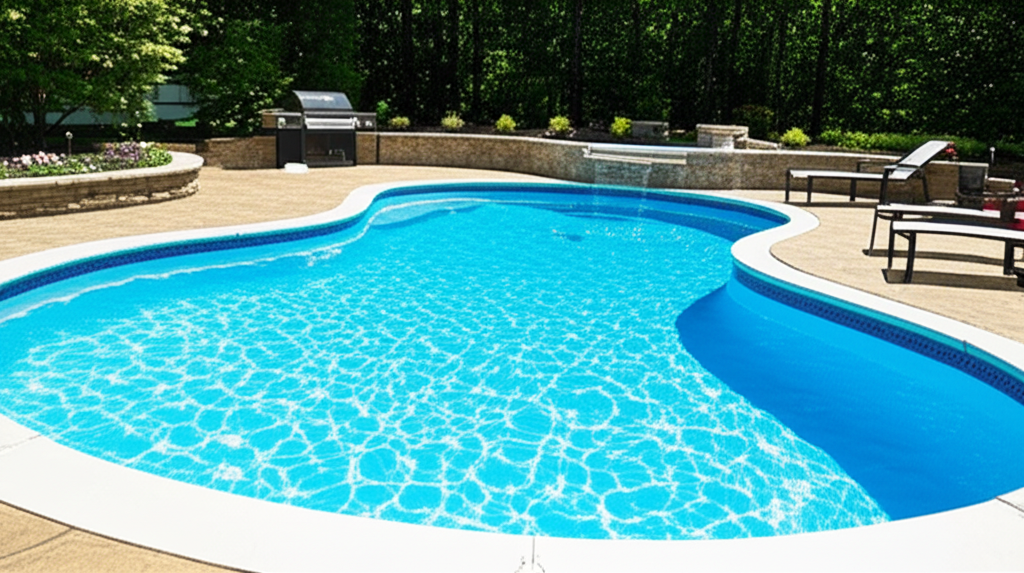
Exceptional Customization: While often perceived as less customizable than concrete, modern vinyl liner pools offer an impressive range of design options. You can choose from countless liner patterns, colors, and textures, mimicking everything from natural stone to intricate mosaics. Furthermore, they can be built in various shapes and sizes, from classic rectangles to freeform designs, integrating seamlessly with your backyard aesthetic.
Resistance to Algae and Stains: The non-porous nature of a vinyl liner is a major maintenance benefit. Unlike the porous surfaces of concrete pools, vinyl doesn’t provide a hospitable environment for algae to take root, making it easier to keep your pool clean and minimizing the need for harsh chemicals. It’s also less prone to staining from minerals or organic matter.
Quicker Installation Time: Generally, vinyl liner pools can be installed much faster than concrete pools. While weather and site conditions always play a role, a vinyl liner pool can often go from excavation to ready-to-swim in just a few weeks, allowing you to enjoy your new pool sooner.
Flexibility and Crack Resistance: Unlike rigid concrete, vinyl liners have a degree of flexibility. This makes them less susceptible to cracking due to ground movement or freeze-thaw cycles, which can be a significant concern for pools in areas with fluctuating temperatures.
Navigating the Nuances: Disadvantages of a Vinyl Liner Pool
Despite their many benefits, vinyl liner pools also come with a set of considerations that potential owners should carefully weigh.
Durability and Lifespan of the Liner: The primary component, the vinyl liner itself, has a finite lifespan. On average, a vinyl liner will last between 5-9 years before it needs to be replaced. Factors like chemical balance, sun exposure, and physical damage can shorten this period. Liner replacement is an additional cost to factor into the long-term budget.
Susceptibility to Punctures and Tears: While durable in many ways, vinyl liners are vulnerable to sharp objects. Pet claws, fallen branches, children’s toys, or even sharp debris can puncture or tear the liner. While small tears can often be patched, larger damage necessitates a full liner replacement. This requires careful handling and vigilance around the pool.
Fade and Wrinkling Potential: Over time, continuous exposure to harsh UV rays and pool chemicals can cause the liner’s pattern and color to fade. Additionally, improper water chemistry or ground shifting can sometimes lead to wrinkles in the liner, which, while not always structural, can be aesthetically displeasing.
Perception of Value and Resale: In some real estate markets, vinyl liner pools might be perceived as less “premium” than concrete or high-end fiberglass pools, potentially influencing resale value. While opinions vary widely, it’s a factor worth considering if long-term property value is a priority.
Understanding Pool Liner Types
When choosing a Vinyl Liner Pool, understanding the various Pool Liner Types available is essential for both aesthetics and durability. Liners come in different thicknesses, measured in mils (e.g., 20 mil, 27 mil, 30 mil). Thicker liners generally offer increased durability and resistance to punctures, though they may also come at a slightly higher cost.
Beyond thickness, there’s a vast array of patterns and colors. These range from solid blues and greys to intricate tile-like designs and stone mimics. Choosing a lighter color can make the pool appear brighter and warmer, while darker colors can help absorb more sunlight, potentially warming the water. The quality of the vinyl itself, including UV inhibitors and mold resistance, also varies between manufacturers and can impact the liner’s longevity and appearance over time. Investing in a high-quality liner from a reputable manufacturer can significantly extend the time before a replacement is needed.
Is a Vinyl Liner Pool Right for You? Making an Informed Decision
Deciding if a vinyl liner pool is the right choice ultimately comes down to your priorities, budget, and lifestyle. If initial affordability, a comfortable swimming surface, quick installation, and ease of cleaning are high on your list, a vinyl liner pool presents an excellent option. However, if you’re looking for extreme durability against sharp objects, minimal long-term maintenance costs (beyond operational chemicals), and a perception of ultimate luxury without considering liner replacement, then a concrete or fiberglass pool might be a better fit.
Carefully weigh the upfront savings against the potential future cost of liner replacement. Consider your specific climate, how the pool will be used, and your willingness to be vigilant about preventing damage. By understanding the smart pros and cons, you can confidently choose a swimming pool that will bring years of enjoyment to your home.