
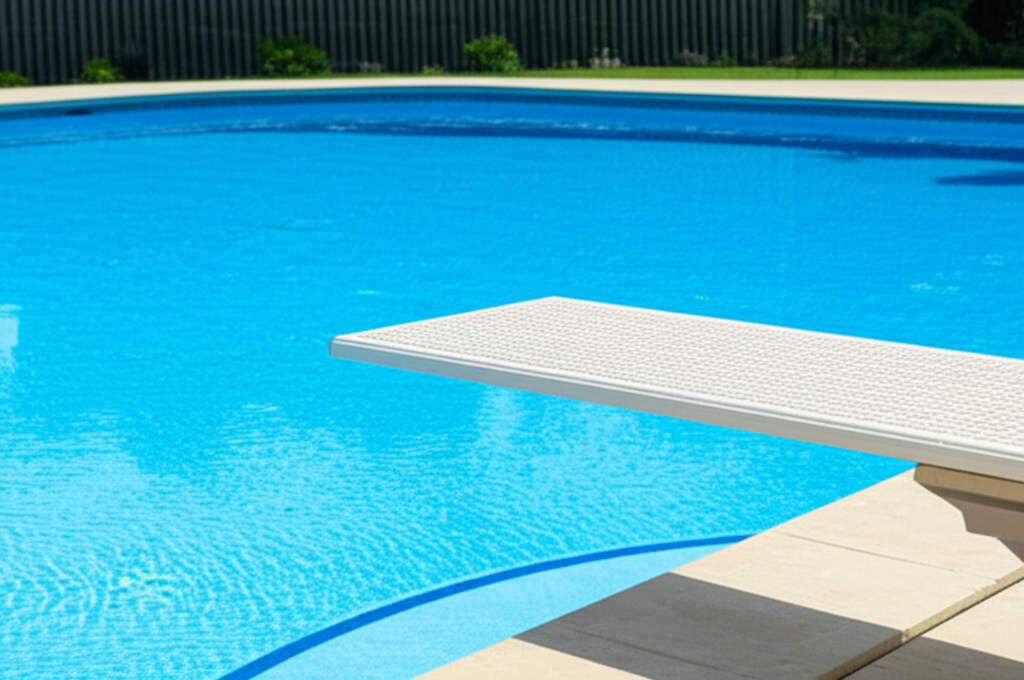
- The Enduring Appeal of the Diving Board
- Prioritizing Pool Safety: Essential Considerations
- Understanding Your Pool's Dimensions
- Quality Materials and Construction
- Proper Installation is Non-Negotiable
- User Weight Limits
- Navigating the Market: Best Diving Board Picks
- The Classic Fiberglass Board
- Acrylic for Modern Aesthetics
- Diving Stands: The Foundation of Fun
- Boards for Smaller Pools (and Safety First!)
- Beyond the Board: Cultivating a Culture of Pool Safety
A Diving Board can transform a backyard swimming pool into a dynamic hub of fun and excitement. The thrill of soaring through the air before a refreshing splash is an undeniable draw, offering not just recreation but also a healthy dose of exercise. However, the sheer joy of diving must always be balanced with an unwavering commitment to safety. Choosing the right diving board isn’t just about aesthetics or bounce; it’s primarily about ensuring a safe and enjoyable experience for everyone who uses it. This guide will help you navigate the best picks, always with Pool Safety at the forefront.
The Enduring Appeal of the Diving Board
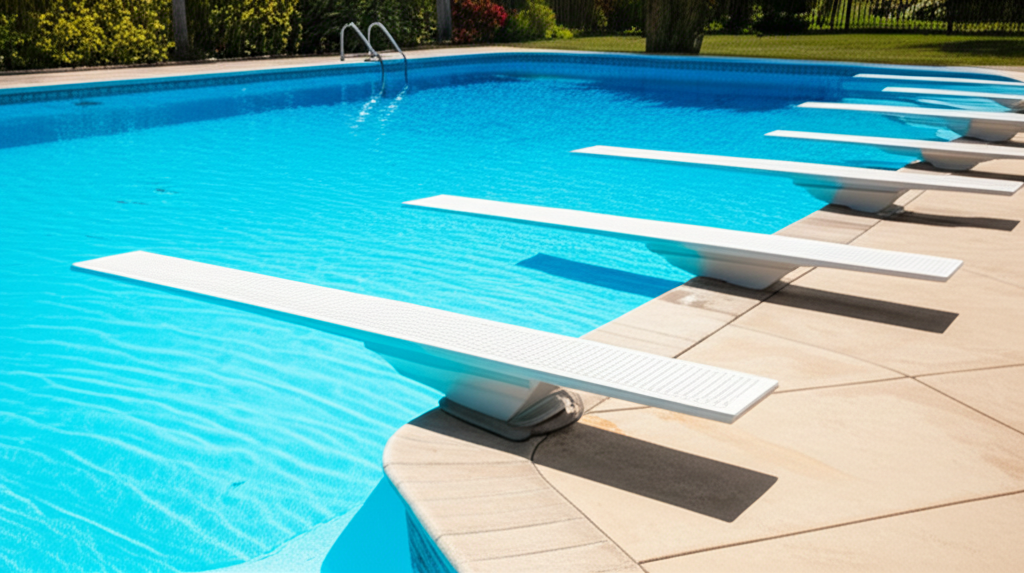
For generations, the diving board has been a centerpiece of pool activities. It’s where kids challenge their courage, practice acrobatic feats, and create lasting summer memories. From simple cannonballs to graceful dives, the board adds a vertical dimension to pool play, encouraging physical activity, developing coordination, and providing endless entertainment. It turns a simple swim into an interactive, engaging experience, making your pool stand out as a source of exhilarating recreation.
Prioritizing Pool Safety: Essential Considerations
When it comes to selecting and installing a diving board, Pool Safety is not just a priority; it’s a prerequisite. Neglecting safety considerations can lead to severe injuries. Here’s what you absolutely need to consider:
Understanding Your Pool’s Dimensions
This is the single most critical factor. Different types of dives and boards require specific water depths and clearances.
Depth: For residential pools, the minimum depth for a diving board is typically 7.5 to 8 feet at the point directly below the tip of the board, extending horizontally for a certain distance. This depth then needs to gradually transition to shallower areas. Shorter boards, even those seemingly modest, still require substantial depth.
Clearance: There must be ample overhead clearance and no obstructions around the board (e.g., adjacent walls, fences, steps, or other pool equipment).
Always consult the manufacturer’s guidelines and the ANSI/APSP/ICC-5 2011 Standard for Residential Swimming Pools, which outlines detailed requirements for diving envelopes. If your pool doesn’t meet these stringent depth and clearance requirements, a diving board is simply not an option.
Quality Materials and Construction
A diving board and its stand must withstand constant exposure to water, sunlight, pool chemicals, and repeated impact.
Materials: Look for boards made from durable, weather-resistant materials like fiberglass reinforced with composites, or high-quality acrylic. These should be UV-resistant to prevent fading and degradation over time.
Non-Slip Surface: The surface of the board must have an effective non-slip texture to prevent slips and falls, especially when wet.
Sturdy Stand: The stand that supports the board must be incredibly robust, made from corrosion-resistant metals like stainless steel or powder-coated aluminum, and securely anchored to the pool deck.
Proper Installation is Non-Negotiable
A poorly installed diving board is incredibly dangerous. It’s highly recommended to have a professional pool contractor install your diving board to ensure it’s securely mounted, correctly aligned, and meets all safety standards and local building codes. They will ensure the stand is properly anchored to a reinforced concrete pad.
User Weight Limits
Every diving board has a clearly defined maximum weight limit. Exceeding this limit can compromise the board’s integrity, leading to breakage and serious injury. Always check and strictly adhere to these limits.
Navigating the Market: Best Diving Board Picks
Once you’ve confirmed your pool meets the rigorous safety criteria, you can explore the best Diving Board options available, keeping both quality and specific needs in mind.
The Classic Fiberglass Board
Fiberglass boards are the most common choice for residential pools. They offer a good balance of durability, flexibility, and affordability.
Pros: Very durable, good range of flex options (from minimal to high spring), excellent weather resistance, and often come with effective non-slip surfaces.
What to look for: A board with a robust fiberglass core, a high-quality acrylic surface coat for UV protection and longevity, and a well-integrated non-slip texture. Flex ratings (e.g., often indicated by weight categories) are important to match the primary users.
Acrylic for Modern Aesthetics
Acrylic diving boards offer a sleek, often translucent or semi-translucent look that can complement modern pool designs. They are strong and durable.
Pros: Visually striking, excellent durability, good resistance to chemicals and UV rays.
What to look for: High-grade acrylic that won’t yellow or become brittle over time, and a well-textured gripping surface that doesn’t detract from the aesthetic.
Diving Stands: The Foundation of Fun
The stand is as crucial as the board itself. It provides the necessary lift and support.
Jumps Stands: These provide moderate elevation and spring, suitable for most residential setups.
Flyte-Deck Stands: Offering higher elevation and typically more spring, these are designed for more experienced divers and require even greater pool depth.
What to look for: Stands made of marine-grade stainless steel or aluminum for corrosion resistance, robust construction, and a design that securely fits your chosen board. Ensure the stand’s anchoring system is compatible with your deck’s construction.
Boards for Smaller Pools (and Safety First!)
While some “short” or “compact” diving boards exist, it is critical to reiterate: there is no such thing as a truly safe diving board for a shallow pool. If your pool doesn’t meet the ANSI/APSP/ICC-5 standards for diving depth, no diving board, regardless of its length, should be installed. For pools unsuitable for diving, other water features like slides or rock-climbing walls might offer similar thrills with different safety requirements.
Beyond the Board: Cultivating a Culture of Pool Safety
Beyond the hardware, Pool Safety involves establishing clear rules and responsible behaviors:
Supervision: Always have a responsible adult supervising when the diving board is in use.
One at a time: Only one person on the diving board at any given time.
No running: Enforce a strict “no running” policy on the pool deck.
No horseplay: Avoid pushing, shoving, or other dangerous games around the board.
Check the water: Always check the water for other swimmers before diving.
Diving Lessons: Encourage children to take proper diving lessons from certified instructors.
* Maintenance: Regularly inspect the board and stand for any signs of wear, cracks, rust, or loose fittings.
Choosing the right Diving Board means blending the pursuit of exhilarating fun with an unyielding commitment to Pool Safety. By meticulously considering your pool’s dimensions, opting for high-quality, durable equipment, ensuring professional installation, and fostering a culture of responsible usage, you can guarantee years of safe, thrilling, and memorable aquatic adventures right in your backyard.