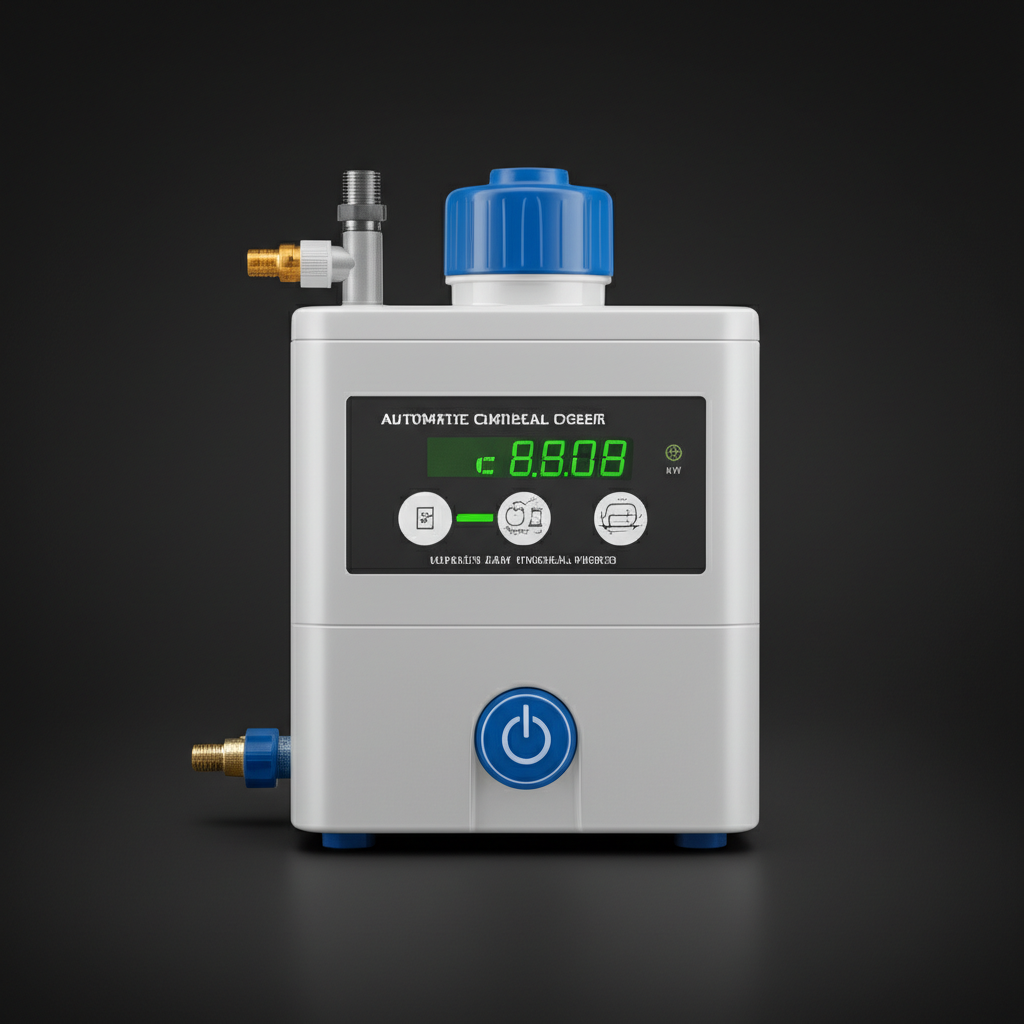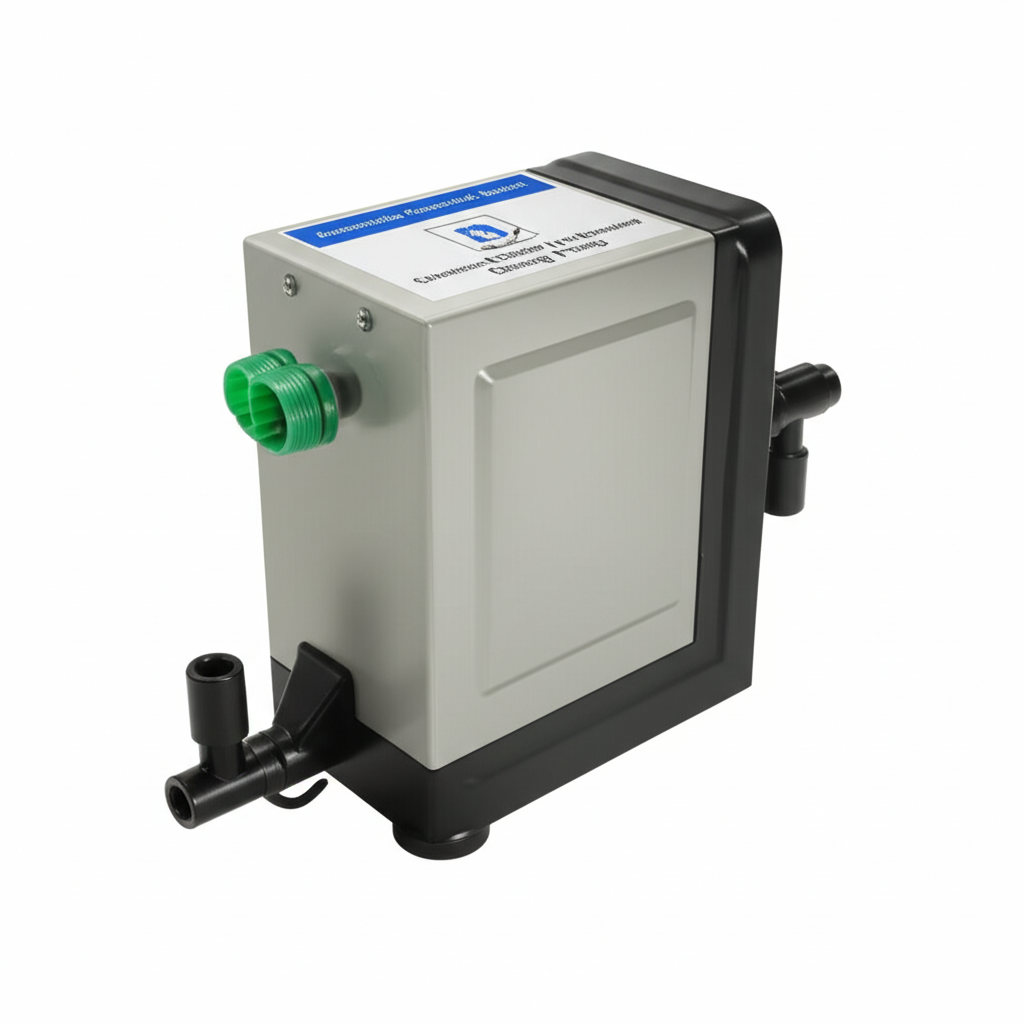
- Understanding the Power of an Automatic Chemical Doser
- The Undeniable Advantages of an Easy Chemical Feeder
- Unrivaled Precision and Consistency
- Enhanced Safety Protocols
- Significant Cost Savings
- Time and Labor Efficiency
- Improved System Performance and Compliance
- The Technology Driving the Ultimate Easy Chemical Feeder
- Diverse Applications of Automatic Chemical Dosing Systems
- Choosing the Right Automatic Chemical Doser
Automatic Chemical Doser technology is revolutionizing how various industries and facilities manage chemical applications, transforming what was once a complex, labor-intensive, and often hazardous task into a streamlined, safe, and incredibly precise process. Often hailed as the ultimate easy chemical feeder, these automated systems offer unparalleled accuracy and efficiency, ensuring optimal chemical treatment with minimal human intervention. From municipal water treatment plants to backyard swimming pools, the integration of an automatic chemical dosing system guarantees consistent performance and peace of mind.
Understanding the Power of an Automatic Chemical Doser
At its core, an automatic chemical doser is a sophisticated device designed to accurately and consistently inject precise amounts of liquid chemicals into a system over time. Far superior to manual methods, which are prone to human error, inconsistency, and safety risks, these automated feeders eliminate guesswork. They operate based on pre-set parameters or real-time sensor data, ensuring that chemicals are added only when and in the quantities needed. This precision is not just about convenience; it’s about optimizing chemical usage, maintaining desired process conditions, and safeguarding equipment and personnel.
The heart of many automatic chemical dosing systems is the dosing pump, often referred to as a metering pump. These specialized pumps are engineered to deliver exact volumes of fluid within a specified period, maintaining high accuracy even against varying system pressures. Common types include peristaltic, diaphragm, and piston pumps, each suited for different chemical properties and application demands. Coupled with advanced controllers, sensors, and sometimes even remote monitoring capabilities, these systems represent a significant leap forward in chemical management.
The Undeniable Advantages of an Easy Chemical Feeder
The adoption of an automatic chemical doser brings a multitude of benefits that impact operational efficiency, safety, and financial bottom lines.
Unrivaled Precision and Consistency
Manual dosing is inherently inconsistent. An automatic chemical doser, however, removes this variability entirely. It delivers chemicals with metered precision, ensuring that target concentrations are consistently maintained. This accuracy is crucial for processes like maintaining pH levels, disinfecting water, or inhibiting corrosion, where even slight deviations can have significant consequences. Consistent dosing prevents both under-dosing (leading to ineffective treatment) and over-dosing (wasting chemicals and potentially causing system damage).
Enhanced Safety Protocols
Handling concentrated chemicals manually always poses a risk of spills, splashes, and inhalation. An automatic chemical feeder drastically reduces direct human contact with hazardous substances. Once the system is installed and calibrated, technicians primarily monitor its operation rather than actively manipulating chemicals, thereby creating a safer working environment and reducing the risk of accidents and exposure.
Significant Cost Savings
While there’s an initial investment, an automatic chemical dosing system often pays for itself through substantial long-term savings. Precise dosing eliminates chemical wastage from over-application. Moreover, consistent treatment prevents system failures or process upsets that would otherwise incur costly repairs, downtime, or rework. Reduced labor requirements for chemical handling and monitoring also contribute to a lower operational expenditure.
Time and Labor Efficiency
Automated systems operate continuously without requiring constant human attention. This frees up staff from routine, repetitive chemical addition tasks, allowing them to focus on more complex or critical aspects of the operation. The set-and-forget nature of a well-configured automatic chemical doser means plants can run more smoothly and efficiently, 24/7 if needed.
Improved System Performance and Compliance
By maintaining optimal chemical concentrations, these systems ensure that processes run at peak efficiency. For example, in water treatment, correct chlorine dosing guarantees effective disinfection, while precise pH control prevents scale formation or corrosion. Furthermore, consistent performance helps facilities meet stringent regulatory standards and avoid costly penalties associated with non-compliance.
The Technology Driving the Ultimate Easy Chemical Feeder
Modern automatic chemical dosing systems leverage sophisticated technology to achieve their precision and ease of use. Beyond the robust dosing pump, integrated controllers are the brains of the operation. These can range from simple timers for fixed-schedule dosing to advanced proportional-integral-derivative (PID) controllers that respond dynamically to real-time feedback from sensors like pH probes, ORP (oxidation-reduction potential) meters, or flow sensors.
Some advanced systems offer remote monitoring and control capabilities, allowing operators to oversee and adjust dosing parameters from a central control room or even via mobile devices. This level of connectivity and automation ensures maximum uptime and rapid response to any anomalies, further cementing their status as truly easy chemical feeders. Materials of construction for the chemical feeder components are also critical, specifically chosen to withstand the corrosive or abrasive nature of the chemicals being dosed, ensuring longevity and reliable operation.
Diverse Applications of Automatic Chemical Dosing Systems
The versatility of an automatic chemical doser makes it indispensable across a vast array of sectors:
Water Treatment: Essential for municipal drinking water disinfection (chlorination), wastewater treatment (coagulants, flocculants, pH adjusters), and industrial process water (cooling towers, boilers).
Swimming Pools and Spas: Maintains ideal pH and sanitizer levels (chlorine, bromine) automatically, ensuring bather comfort and water hygiene.
Agriculture and Horticulture: Used for precise nutrient dosing in hydroponic systems, fertigation, and pH adjustment for irrigation water.
Manufacturing and Industrial Processes: Critical for chemical blending, process fluid conditioning, and introducing additives in various production lines.
* Laundry and Dishwashing: Ensures correct detergent and rinse aid concentrations for optimal cleaning results.
Choosing the Right Automatic Chemical Doser
Selecting the appropriate automatic chemical doser involves considering several factors. The type of chemical to be dosed is paramount, as aggressive or viscous chemicals require specific pump materials and designs. Required flow rates and pressures, the system’s operational environment, and the desired level of control automation (simple ON/OFF vs. continuous proportional control) are all crucial considerations. Consulting with experts in chemical dosing technology can help tailor a solution that perfectly matches specific application needs and budgetary constraints.
In conclusion, the automatic chemical doser stands as a testament to intelligent engineering designed to simplify complex tasks. Offering unparalleled precision, enhanced safety, significant cost savings, and operational efficiency, it truly embodies the concept of the ultimate easy chemical feeder. For any facility or operation seeking to optimize its chemical management processes, investing in an automated dosing system is a smart, future-proof decision that yields substantial returns in performance and peace of mind.