- The Unseen Threat: Why Every Pool Needs a Pool Safety Alarm
- Understanding the Different Types of Pool Safety Alarms
- Key Considerations When Choosing a Pool Safety Alarm System
- Installation and Maintenance of Your Pool Safety Alarm
- Beyond the Alarm: A Multi-Layered Approach to Pool Safety
A Pool Safety Alarm is an indispensable component of any comprehensive pool safety strategy, offering an essential and reliable layer of protection that can make a life-saving difference. For families with young children, pets, or individuals who might accidentally wander towards the water, a robust alarm system acts as an invaluable sentinel, providing crucial early warnings that conventional supervision might sometimes miss. While no single safety measure can guarantee absolute protection, integrating a high-quality alarm significantly enhances the security of your aquatic environment, transforming your pool from a potential hazard into a source of safe enjoyment.
The Unseen Threat: Why Every Pool Needs a Pool Safety Alarm
The allure of a swimming pool is undeniable, yet its potential dangers, particularly for young children, are stark. Drowning is a leading cause of accidental death for children under five, and these tragic incidents can occur in mere seconds, often silently and without warning. A momentary lapse in supervision – answering the phone, grabbing a towel, or tending to another child – is all it takes for a catastrophe to unfold. This is precisely where the reliability of a Pool Safety Alarm becomes a non-negotiable asset. It’s an active, always-on vigilance system designed to alert you the instant a potential breach of safety occurs, granting precious moments that can mean the difference between an emergency and a tragedy. These alarms are not a substitute for active adult supervision or physical barriers, but rather a vital supplement, forming one critical layer in a multi-pronged approach to pool security.
Understanding the Different Types of Pool Safety Alarms
The market offers a variety of pool safety alarms, each designed to detect different types of intrusions and provide distinct layers of protection. Understanding their mechanisms can help you choose the most effective system for your specific needs.
1. Perimeter and Gate Alarms:
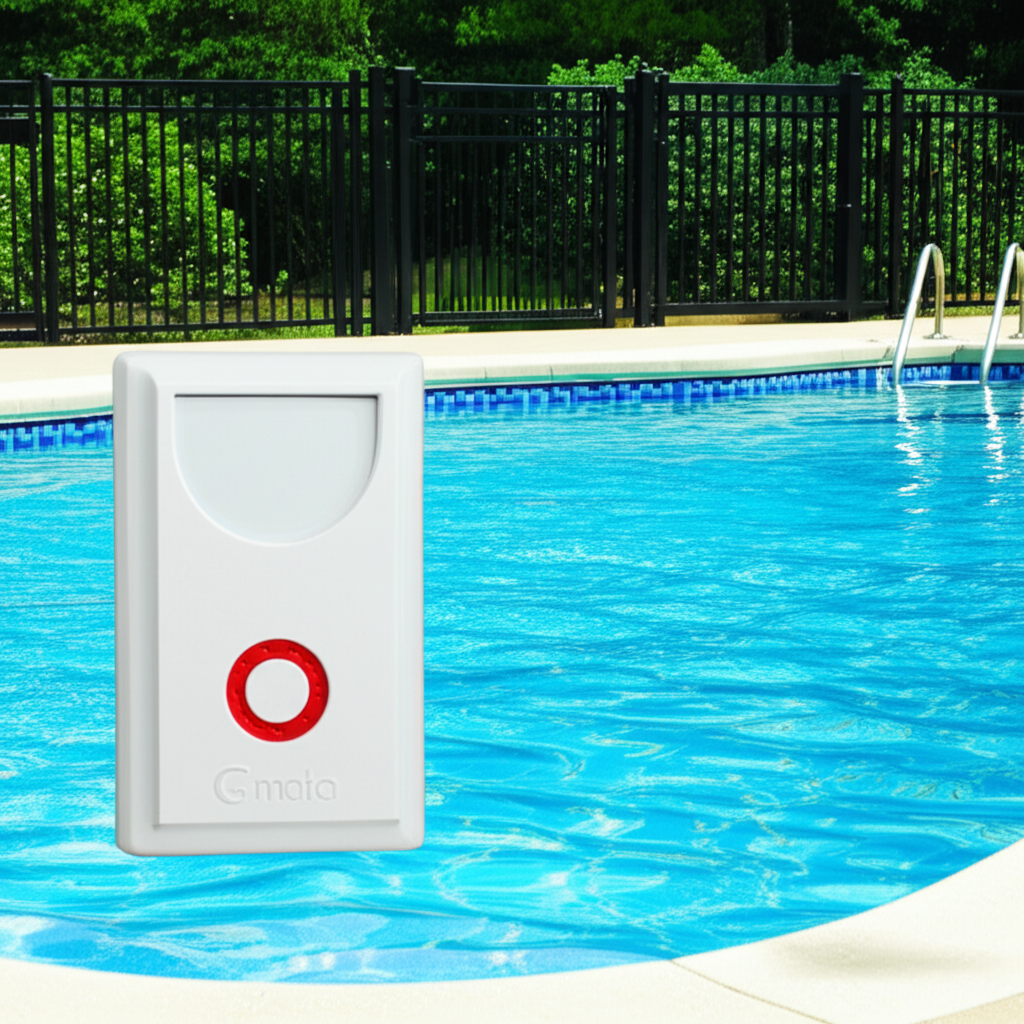
These are often the first line of defense. A Gate Alarm system is typically installed on the entry points to the pool area, such as fences, gates, doors, or even windows that lead directly to the pool. They utilize magnetic sensors that trigger a loud alarm whenever the gate or door is opened. High-quality gate alarms are designed to be tamper-proof and resistant to harsh weather conditions. They must also meet specific safety standards, often featuring a button that needs to be pressed by an adult to silence the alarm, preventing children from easily disarming it. Ensuring every access point to your pool area is equipped with a functioning gate alarm is paramount for preventing unauthorized entry.
2. Surface and Water Alarms:
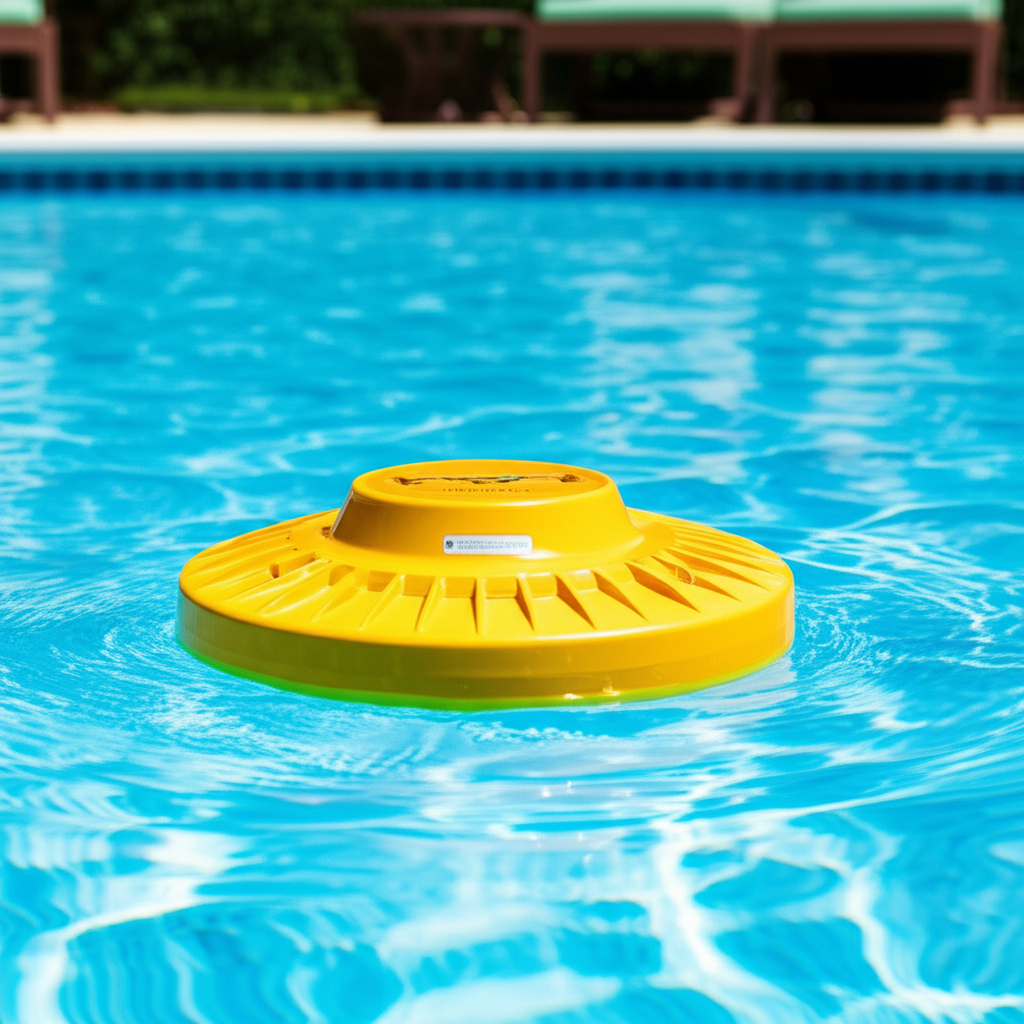
A Water Alarm is designed to detect disturbances on the surface of the pool water. These devices typically float on the water or are mounted on the pool deck. When a person or a pet falls into the pool, creating ripples or displacement, the alarm senses this change and emits a loud alert. Modern water alarms are often equipped with intelligent sensors that can differentiate between a child falling in and smaller disturbances like wind, rain, or falling debris, helping to reduce false alarms. Some advanced models transmit signals to a receiver located inside the home, ensuring the alert is heard even if the main unit is far from the house.
3. Sub-Surface or Immersion Alarms:
These alarms offer a more sophisticated level of detection. Instead of just sensing surface ripples, sub-surface alarms are designed to detect when an object of a certain weight (typically a child or adult) enters the water and causes pressure waves below the surface. They are usually installed below the waterline or feature sensors that extend into the water. These are generally considered highly reliable as they are less prone to false alarms from weather conditions compared to some surface alarms.
4. Wearable Alarms:
While less common as primary protection, wearable alarms can offer an additional safeguard for children. These take the form of bracelets or wristbands that children wear and are synchronized with a base unit. If the child’s wristband becomes submerged in water, it instantly triggers an alarm, either on the base unit or directly on the bracelet itself.
Key Considerations When Choosing a Pool Safety Alarm System
Selecting the right alarm involves more than just picking the first option you see. Consider these factors:
Reliability and Compliance: Look for alarms that meet local and national safety standards (e.g., ASTM F2208 for pool alarms). Certifications from reputable organizations indicate rigorous testing.
Loudness: The alarm must be loud enough (typically 85 dB or higher) to be heard clearly from inside your home, even with doors and windows closed.
Ease of Arming/Disarming: Adults should find it simple to arm and disarm the system, while children should find it impossible. Features like delayed arming can prevent immediate alarms when adults intentionally enter the pool area.
Power Source and Battery Life: Most alarms are battery-operated. Check battery life indicators and choose models with long-lasting power or reliable backup systems.
False Alarm Prevention: While no system is entirely foolproof, look for features that minimize false triggers from wind, rain, or small animals.
Installation: Determine if you prefer a DIY installation or require professional setup. Ensure the chosen system is compatible with your pool and fencing structure.
* Integration: Some advanced systems can integrate with smart home security platforms, allowing for remote monitoring and alerts via smartphone.
Installation and Maintenance of Your Pool Safety Alarm
Proper installation is as crucial as choosing the right alarm. Follow the manufacturer’s instructions precisely for placement of sensors, receivers, and the main alarm unit. For gate alarms, ensure all gates leading to the pool area are self-latching and self-closing, in addition to being alarmed.
Regular maintenance is key to reliable performance. Test all components of your pool safety alarm system weekly (or as recommended by the manufacturer) to ensure batteries are fresh and sensors are functioning correctly. Clean sensors to remove any debris that might impede their operation. A poorly maintained alarm system is no better than having no alarm at all.
Beyond the Alarm: A Multi-Layered Approach to Pool Safety
While a Pool Safety Alarm is undeniably essential, it operates best within a comprehensive safety framework. This multi-layered approach includes:
1. Fencing: A four-sided isolation fence (at least four feet high) with a self-latching, self-closing gate around the entire pool area is the most critical physical barrier.
2. Supervision: Nothing replaces constant, active adult supervision when children are in or near the water. Designate a “water watcher” who is solely responsible for monitoring the pool.
3. Swimming Lessons: Ensure all family members, especially children, learn to swim and practice water safety skills from an early age.
4. CPR Training: Caregivers should be trained in CPR and basic first aid, as immediate response can be life-saving.
5. Emergency Preparedness: Keep a phone, rescue equipment (such as a life ring or shepherd’s crook), and emergency contact information readily accessible by the pool.
In conclusion, a pool safety alarm system is far more than just another gadget; it’s a critical investment in peace of mind and, potentially, in life itself. By choosing a reliable system, installing it correctly, maintaining it diligently, and integrating it into a comprehensive safety plan, you can significantly enhance the protection of your loved ones around your swimming pool.