- Why a Dedicated Pool Inspection is Crucial
- The Ultimate Pool Inspection Checklist for Home Buyers
- 1. Structural Integrity of the Pool and Deck
- 2. Mechanical and Electrical Systems
- 3. Safety Features and Compliance
- 4. Ancillary Equipment and Accessories
- 5. Documentation and Maintenance History
- Choosing the Right Pool Inspector
- Understanding the Inspection Report
Pool inspection is an absolute necessity for anyone considering buying a home with a pool. While the allure of a backyard oasis can be powerful, promising endless summer fun and relaxation, diving into a purchase without due diligence can lead to costly surprises down the road. A swimming pool is a complex system of intertwined electrical, mechanical, and structural components, all exposed to harsh elements and constant use. Unlike a general home inspection, which might only skim the surface, a specialized pool inspection provides a deep dive into the condition, safety, and functionality of this significant asset, ensuring your dream pool doesn’t become a financial drain.
Why a Dedicated Pool Inspection is Crucial
Many home buyers assume that the standard home inspection will sufficiently cover the swimming pool. However, most general home inspectors have limited expertise in pool systems. They might check basic functionality or note obvious issues, but they lack the specialized training to identify subtle leaks, failing equipment, outdated safety features, or potential structural compromises. A dedicated pool inspector is trained to understand the intricacies of different pool types (in-ground, above-ground, fiberglass, gunite, vinyl liner), various pump and filtration systems, heating units, electrical requirements, and critical safety codes. Skipping this vital step could mean inheriting thousands of dollars in repairs shortly after moving in.
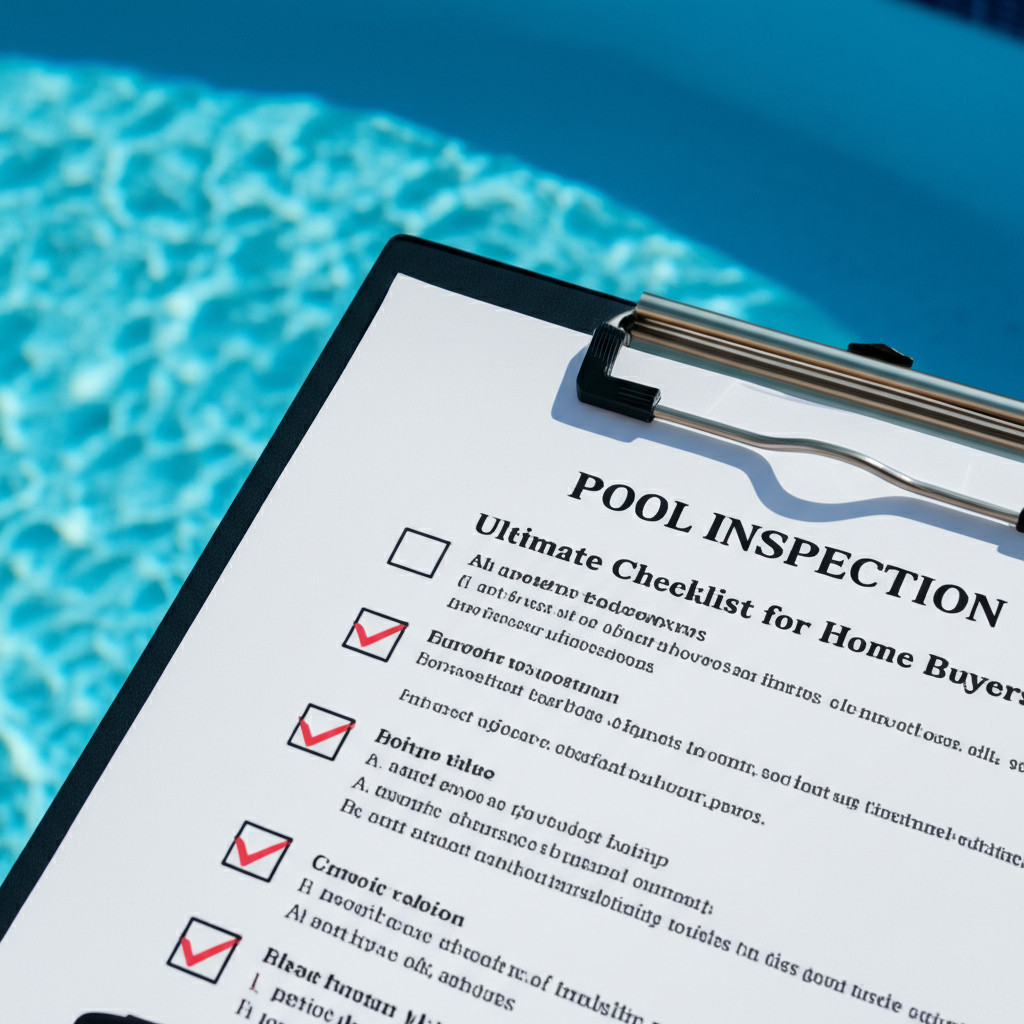
The Ultimate Pool Inspection Checklist for Home Buyers
When preparing for your pool inspection, ensure your chosen professional follows a comprehensive protocol. Here’s a detailed checklist of what should be thoroughly examined:
1. Structural Integrity of the Pool and Deck
Pool Shell/Liner: Inspect for cracks, bulges, leaks, tears, or staining in the plaster, fiberglass, or vinyl liner. Small hairline cracks might be normal in older gunite pools, but larger, active cracks can indicate serious structural issues or ongoing leaks.
Coping: The material capping the edge of the pool should be secure, free from significant cracks, and properly mortared in place.
Decking: Examine the surrounding pool deck for cracks, uneven settling, drainage issues, or trip hazards. Look for efflorescence, a white crystalline deposit, which can indicate water seeping up from below.
Tile/Grout: If present, check for loose, missing, or cracked tiles and deteriorated grout lines, which can lead to leaks and aesthetic issues.
2. Mechanical and Electrical Systems
Pump and Motor: Evaluate for proper operation, excessive noise, leaks, rust, and overall condition. Check the age of the unit, as pumps typically have a lifespan of 8-12 years.
Filter System: Determine the type (sand, cartridge, DE) and inspect its condition. Check for leaks, pressure gauge functionality, and backwash valve operation. A dirty or inefficient filter affects water quality.
Heater (if applicable): Test functionality for gas, electric, or solar heaters. Inspect for leaks, corrosion, proper ventilation, and pilot light operation (for gas heaters). Note its age.
Plumbing: Visually inspect accessible plumbing lines for leaks, corrosion, or incorrect installations. Test all skimmers, returns, and the main drain for proper flow.
Electrical System: This is critical for safety. Check all wiring, conduits, and junction boxes for proper grounding, bonding, and GFCI (Ground Fault Circuit Interrupter) protection. Ensure all underwater lights are properly sealed and connected, and inspect the main electrical panel feeding the pool equipment.
Automation Systems: If the pool has an automated control system, verify its functionality for lights, pumps, and other features.
3. Safety Features and Compliance
Fencing and Gates: Ensure the pool barrier meets local safety codes regarding height, self-latching mechanisms, and self-closing gates. Check for gaps or weaknesses that a small child could exploit.
Alarms: Verify pool alarms (gate alarms, surface alarms, subsurface alarms) are present and functioning, if required by local code.
Main Drain Covers: Confirm the main drain covers are anti-vortex and compliant with the Virginia Graeme Baker Pool and Spa Safety Act to prevent entrapment.
Ladders, Steps, and Handrails: Check that all steps, ladders, and handrails are securely mounted, in good condition, and free from cracks or sharp edges.
Emergency Shut-offs: Locate and test any emergency shut-off switches for the pool pump and other electrical components.
Lighting: Test all underwater and deck lighting for proper operation and ensure GFCI protection is in place.
4. Ancillary Equipment and Accessories
Automatic Cleaners: Test robotic or pressure-side cleaners for functionality.
Diving Boards/Slides: If present, inspect for stability, cracks, age, and proper installation according to safety guidelines.
Covers: If an automatic or safety cover is present, inspect its condition, track system, and motor for proper operation.
5. Documentation and Maintenance History
Permits: Ask the seller for any original construction permits or permits for significant repairs/upgrades.
Service Records: Request previous service and maintenance records. This can offer valuable insight into recurring issues, a history of repairs, and how well the pool has been maintained.
Warranty Information: Inquire about any remaining warranties on equipment.
Choosing the Right Pool Inspector
Selecting a qualified pool inspector is paramount. Look for professionals who are:
Certified: Members of reputable organizations like the National Association of Certified Home Inspectors (NACHI) or the Association of Pool & Spa Professionals (APSP) who specialize in pools.
Experienced: Ask about their specific experience inspecting various types of pools and equipment.
Insured: Ensure they carry comprehensive liability insurance.
Thorough: A good inspector will provide a detailed, written report with photos and clear explanations of any findings.
Understanding the Inspection Report
Your pool inspection report will highlight any deficiencies, categorizing them by severity (e.g., minor, significant, safety hazard). Understand that even a well-maintained pool might have minor recommendations. Focus on major structural issues, significant leaks, non-functional primary equipment, and any safety code violations. These are typically areas for negotiation with the seller for repairs or credits.
Ultimately, a comprehensive pool inspection offers peace of mind, protecting your investment and ensuring the safety of your family. It empowers you with the knowledge to make an informed decision, ensuring your backyard swimming pool truly becomes the source of joy you envisioned.