Heater Troubleshooting: Ultimate Easy Pool Fixes
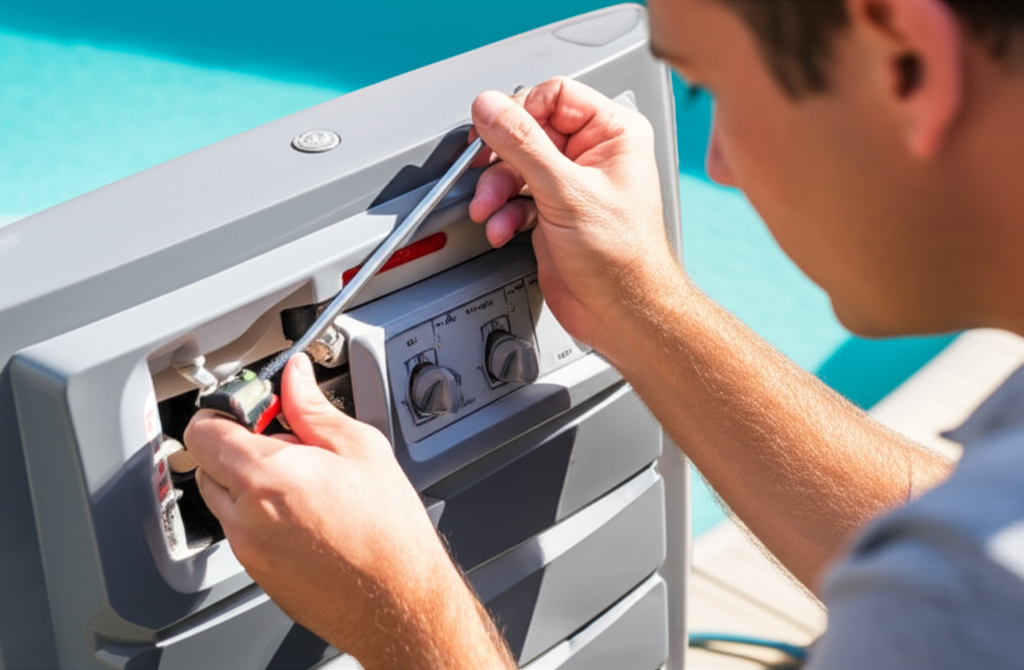
Heater troubleshooting can be a daunting task when your refreshing pool suddenly feels like an ice bath. A malfunctioning pool heater can swiftly turn your backyard oasis into a chilly disappointment, but many common issues have surprisingly simple solutions. Before you call a costly technician, understanding the basics of how your pool heater operates and what common problems might arise can save you time, money, and a lot of frustration. This guide will walk you through easy fixes for the most frequent pool heater woes, helping you restore warmth to your waters quickly.
Understanding Your Pool Heater’s Basics
Pool heaters, whether gas, electric, or heat pump varieties, all share the fundamental goal of raising your water temperature. Gas heaters (natural gas or propane) use a flame to heat water passing through a heat exchanger. Electric heaters use electrical resistance, much like a giant immersion heater. Heat pumps extract warmth from the ambient air, transferring it to the pool water. Each type has its unique quirks, but many troubleshooting steps apply broadly.
Initial Checks: The Foundation of Heater Troubleshooting
Before you dive into complex diagnostics, start with the simplest checks. These often reveal the root cause of the problem without needing special tools or expertise.
1. Power Supply:
Gas Heaters: Ensure the gas valve leading to the heater is fully open. If your heater uses an electric ignition, check the electrical breaker for the heater to ensure it hasn’t tripped.
Electric Heaters/Heat Pumps: Verify that the circuit breaker for the heater is “ON” and hasn’t tripped. Sometimes, a power surge can cause a breaker to flip.
Confirm there are no obvious loose wires or disconnections.
2. Thermostat Settings: It might sound obvious, but double-check your desired temperature setting. Has someone accidentally turned it down or off? Ensure it’s set higher than your current pool temperature.
3. Water Flow: Your heater needs adequate water flow to operate safely and efficiently.
Is your pool pump running? The heater won’t operate without the pump circulating water.
Are your filter and skimmer baskets clean? Clogged filters or baskets restrict water flow, often triggering a “low flow” safety shut-off on the heater.
Are all relevant valves open? Check that no bypass valves are closed or diverting water away from the heater.
Common Heater Troubleshooting Scenarios and Easy Fixes
Once the basics are covered, you can move on to more specific problems.
1. The Heater Won’t Turn On or Fire Up
This is the most common complaint. After checking power and water flow, consider these:
Low Water Pressure: If your filter is constantly dirty, or your pump isn’t powerful enough, the pressure switch on your heater might prevent it from firing. Clean your filter and check pressure gauges.
Dirty Combustion Chamber/Burners (Gas Heaters): Over time, dirt, dust, or insect nests can accumulate, preventing proper ignition. Always turn off the gas supply and electricity before inspecting! Gently brush away debris if visible.
Pressure Switch Issues: The pressure switch detects water flow. If it’s faulty, it won’t signal to the heater that water is flowing, thus preventing ignition. This often requires a professional diagnosis but sometimes involves simply resetting it or clearing connections.
2. Understanding and Relighting Your Pilot Light (Gas Heaters)
For older models of gas heaters, the Pilot Light is a crucial component that ignites the main burners. If your heater isn’t firing, a dead pilot light is a prime suspect.
What is the Pilot Light? It’s a small, constantly burning flame that provides the ignition source for the main gas burners.
Why does it go out? High winds, debris, a malfunctioning thermocouple (a safety device that senses the pilot flame), or a faulty gas valve can all cause the pilot light to extinguish.
How to Relight the Pilot Light (Always follow your heater’s manual for specific instructions):
1. Safety First: Turn off all power to the heater and completely shut off the gas supply valve. Wait 5-10 minutes for any residual gas to dissipate.
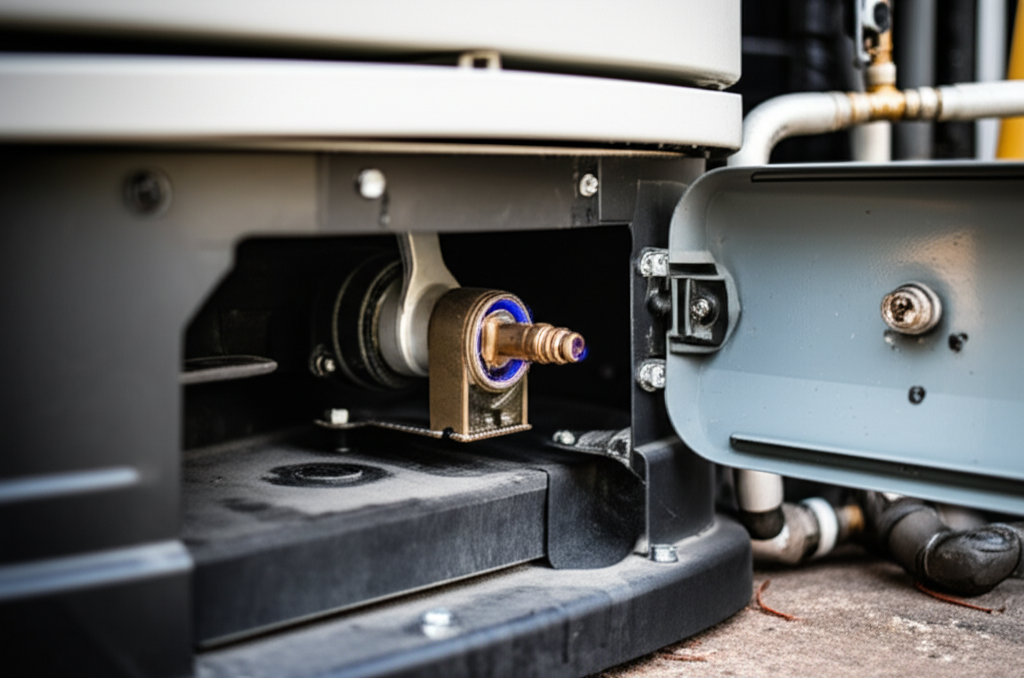
2. Locate the Pilot: The pilot assembly is usually near the main burner tray, often behind a small access panel.
3. Follow Manual Instructions: Most heaters have specific steps involving turning a gas knob to a “Pilot” setting, holding it down while igniting with an igniter button, and then holding it for a minute to allow the thermocouple to heat up.
4. Observe: Once the pilot is lit and stable, turn the knob to the “On” position. You should hear the main burners ignite.
5. Troubleshooting a Pilot Light That Won’t Stay Lit: If the pilot lights but immediately goes out, the thermocouple is the most likely culprit. It might be dirty, bent, or faulty and needs cleaning or replacement. This is typically a DIY-friendly fix with the correct part.
3. Heater Runs But Produces Little to No Heat
If your heater is running but the water isn’t warming up, consider these:
Bypass Valve Adjustment: Sometimes, a bypass valve is diverting too much water around the heater instead of through it, reducing heating efficiency. Adjust it to direct more water through the heater.
Clogged Heat Exchanger: Mineral deposits or debris can build up inside the heater’s heat exchanger, reducing its ability to transfer heat. This often requires professional cleaning (acid washing).
Low Gas Pressure (Gas Heaters): If other gas appliances in your home are also underperforming, you might have a low gas pressure issue, requiring a utility company check.
Environmental Factors (Heat Pumps): Heat pumps struggle in cold ambient temperatures. If it’s too cold outside, a heat pump might not produce significant heat.
4. Error Codes Displayed
Modern pool heaters, especially heat pumps and electric resistance heaters, often feature digital displays that show error codes. This is perhaps the easiest troubleshooting step:
Consult Your Manual: Every error code corresponds to a specific issue described in your heater’s owner’s manual. Look up the code, and the manual will guide you on potential fixes or tell you when to call a professional.
Preventative Maintenance for Longevity
A proactive approach can prevent many common heater issues:
Regular Cleaning: Keep the area around the heater clear of debris, leaves, and insect nests. Clean your pool filter regularly to ensure good water flow.
Inspect Vents/Flues: Ensure exhaust vents are clear for gas heaters.
Winterization: Properly winterize your heater if you live in a cold climate to prevent freeze damage. Drain water from the heat exchanger and protect openings.
Professional Check-ups: Consider an annual professional inspection, especially before the swimming season, to catch minor issues before they become major problems.
When to Call a Professional
While many of these fixes are DIY-friendly, some issues are best left to licensed professionals:
Any work involving internal gas connections beyond pilot light relighting or thermocouple replacement.
Electrical issues beyond flipping a circuit breaker.
Suspected refrigerant leaks in heat pumps.
Persistent error codes that don’t have a simple fix.
Any situation where you feel unsafe or unsure about proceeding.
By systematically working through these heater troubleshooting steps, you can often diagnose and fix common pool heater problems yourself. A little knowledge goes a long way in keeping your pool comfortably warm and your swimming season extended. Enjoy your perfectly heated pool!