- Why a Well-Planned Pool Machinery Pad Matters
- The Core Components of Your Pool Machinery
- Achieving a Genius Equipment Pad Layout
- Essential Tips for Your Pool Machinery Pad
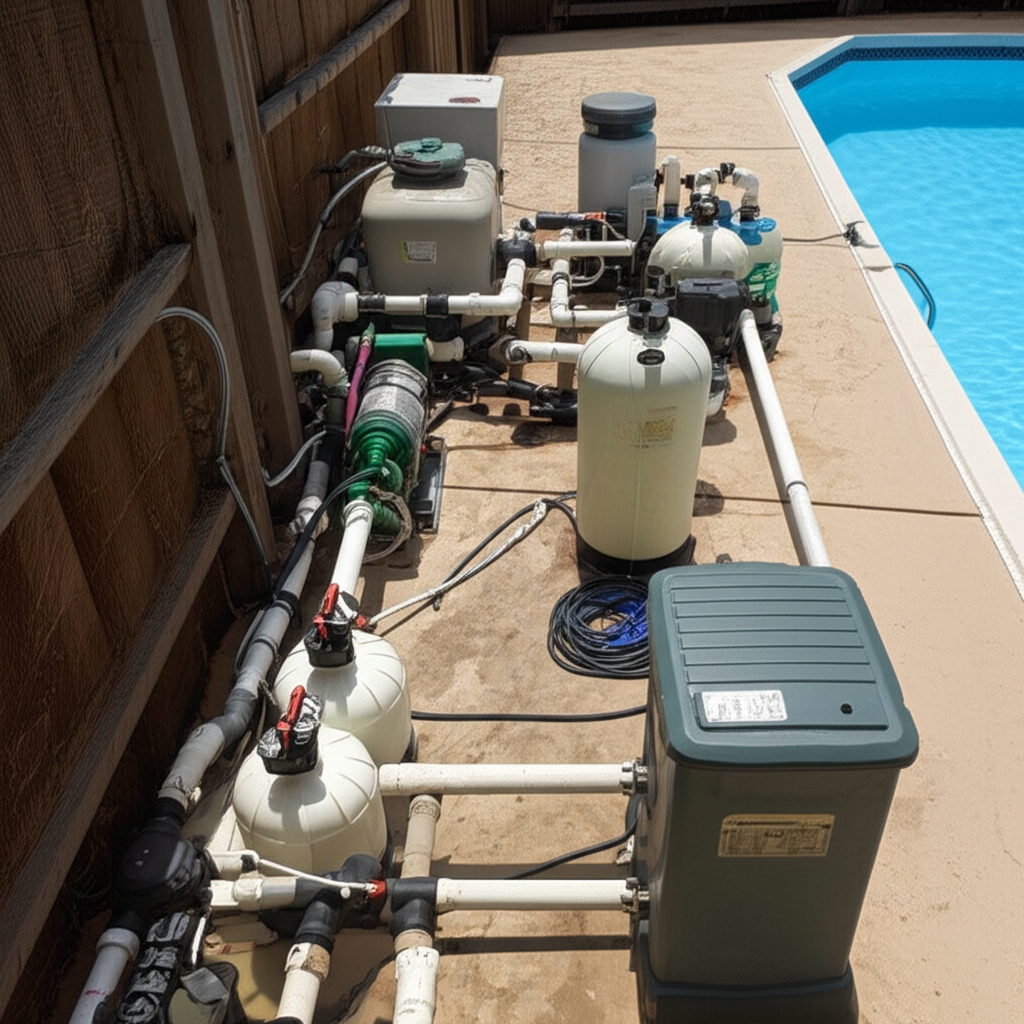
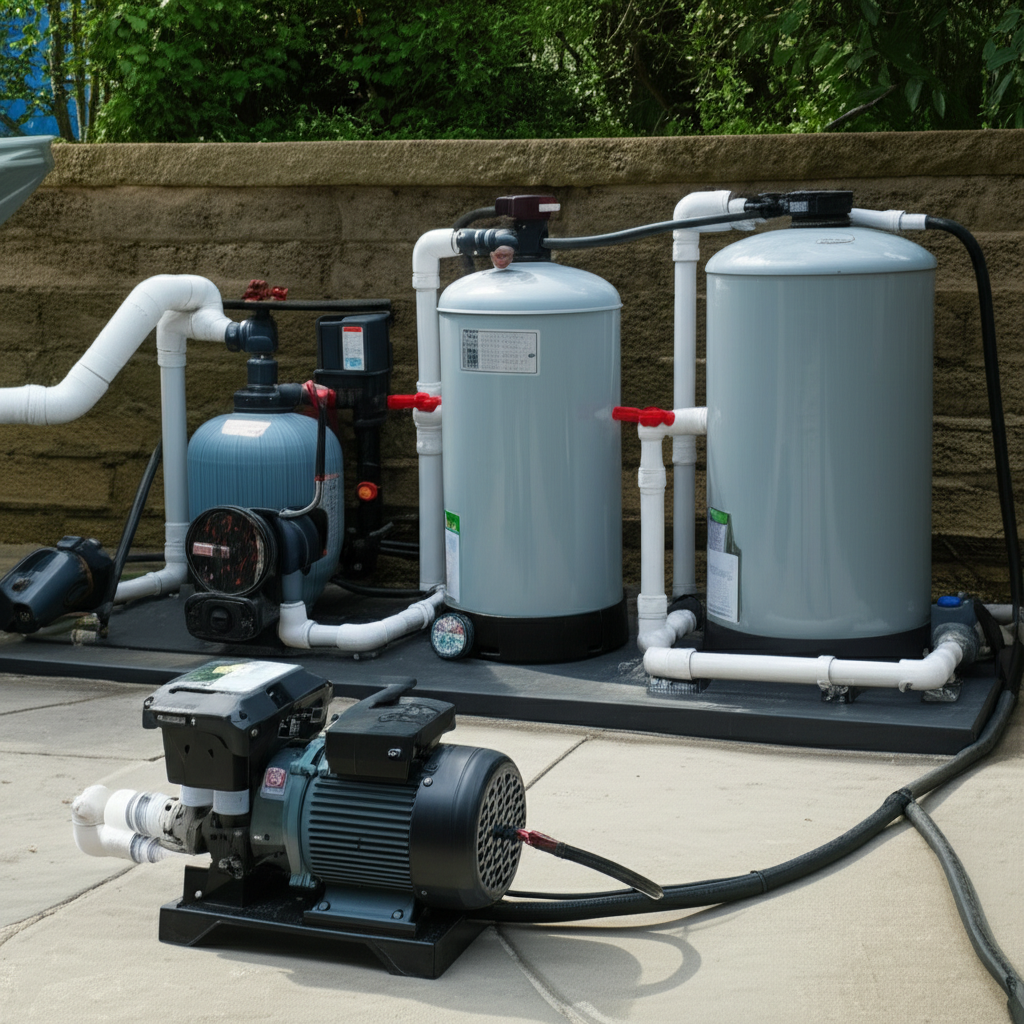
Equipment Pad Layout is far more than just a place to house your pool’s essential machinery; it’s the nerve center that dictates the efficiency, longevity, and overall enjoyment of your swimming pool. A thoughtfully designed equipment pad can transform routine maintenance into a breeze, conserve energy, and protect your significant investment in pool technology. Conversely, a poorly planned setup can lead to headaches, costly repairs, and reduced performance. Understanding the principles behind a “genius layout” and implementing essential tips is crucial for any pool owner, whether you’re building a new pool or looking to optimize an existing setup.
Why a Well-Planned Pool Machinery Pad Matters
The efficiency and lifespan of your pool hinges significantly on its equipment pad. Here’s why a smart layout is indispensable:
Optimal Performance: Proper spacing and strategic placement allow each piece of equipment to operate at its peak efficiency, ensuring crystal-clear water and consistent temperature.
Ease of Maintenance & Repair: Adequate access around each component makes routine tasks like backwashing, cleaning filters, or inspecting connections simple and quick. When repairs are needed, technicians can work efficiently, saving you time and money.
Extended Equipment Lifespan: Good ventilation, protection from the elements, and proper plumbing reduce strain on your pool machinery, prolonging its operational life.
Safety: A well-organized pad minimizes trip hazards, provides clear access to shut-offs, and ensures safe distances between electrical components, gas lines, and chemical storage.
Aesthetics & Noise Reduction: While primarily functional, a well-organized and potentially screened equipment pad looks better and can help mitigate operational noise, enhancing your backyard’s tranquility.
The Core Components of Your Pool Machinery
Before diving into layout specifics, it’s helpful to understand the primary pieces of equipment that typically reside on your pad:
Pool Pump: The heart of the system, circulating water.
Pool Filter: Removes debris and contaminants (sand, cartridge, D.E.).
Heater: Maintains desired water temperature (gas, electric heat pump, solar).
Sanitizer: Keeps water clean (salt chlorinator, traditional chlorinator, UV, ozone).
Automated Control System: Manages schedules, temperatures, and various functions.
Pipes, Valves, and Electrical Connections: The vital network that connects everything.
Achieving a Genius Equipment Pad Layout
The goal of a genius Equipment Pad Layout is logical flow, accessibility, and protection. Here are the principles to follow:
1. Proximity to the Pool: The closer the pad is to the pool, the shorter your plumbing runs will be. Shorter runs mean less friction loss, requiring less energy from your pump, and faster heating times. Aim for as close as safely and aesthetically possible, usually within 10-15 feet.
2. Order of Operations: Water flows in a specific sequence. A genius layout mirrors this:
Pump First: Located closest to the pool’s skimmer and main drain lines.
Filter Next: Immediately after the pump, as it handles the initial filtration.
Heater (if applicable): After the filter, to heat already clean water.
Sanitizer: Typically the last device before water returns to the pool, ensuring sanitation before re-entry.
Auxiliary Equipment: Such as automatic chemical feeders or UV systems, integrated into this flow at appropriate points.
3. Accessibility and Working Space: This is paramount. Ensure at least 18-24 inches of clear space around each piece of equipment. This allows for:
Easy valve manipulation.
Filter cleaning or media replacement.
Heater maintenance or component access.
Safe passage for technicians.
Future upgrades or replacements.
4. Ventilation: Crucial for gas heaters, which produce exhaust, and for any area where chemicals might off-gas. Ensure clear air circulation to prevent overheating and hazardous fumes.
5. Drainage: The pad should be slightly sloped away from the equipment and surrounding structures to prevent water pooling. This protects electrical components, prevents corrosion, and keeps the area clean.
6. Protection from Elements: While some pool machinery is weather-resistant, direct sun exposure can degrade plastics and electronics, and freezing temperatures can cause severe damage. Consider:
Strategically placed fences or walls to provide shade.
A partial enclosure or equipment cover that still allows for ventilation.
Winterizing procedures for freezing climates.
7. Electrical and Gas Line Safety: All electrical components must be correctly wired, grounded, and protected by GFCI (Ground Fault Circuit Interrupter) outlets. Gas lines require professional installation and compliance with local codes. Keep vegetation clear of utility lines.
Essential Tips for Your Pool Machinery Pad
Beyond the layout principles, several practical tips can elevate your equipment pad from good to exceptional:
Solid, Stable Foundation: Always start with a level, reinforced concrete slab that is larger than the footprint of your equipment. This provides stability, prevents shifting, and keeps equipment off damp ground.
Future-Proofing: Even if you don’t have certain features now (like a heat pump, automation system, or a water feature), consider leaving a bit of extra space and capped plumbing stubs for potential future additions. It’s much easier to plan for expansion upfront.
Label Everything: Label all valves with their function (e.g., “Skimmer,” “Main Drain,” “Return,” “Waste”). Clearly mark electrical breakers. This makes operation and troubleshooting infinitely easier.
Organized Plumbing and Wiring: Aim for clean, straight plumbing lines with minimal turns where possible. Secure all electrical conduits and wires neatly. This not only looks professional but also reduces wear and tear and makes tracing issues simpler.
Chemical Storage: If you store pool chemicals near the pad, ensure they are in a separate, dedicated, well-ventilated, and secure area, away from corrosive fumes that can damage metal equipment. Never store chemicals directly on or adjacent to pool machinery.
Regular Inspections: Make it a habit to periodically inspect your pad. Look for leaks, loose connections, pest infestations, or any signs of wear and tear. Early detection can prevent major problems.
* Consult Professionals: For complex installations, new builds, or significant upgrades, always consult with a qualified pool professional. They can ensure compliance with local codes and optimize the system for your specific needs.
By adhering to these genius layout principles and essential tips, pool owners can create an Equipment Pad Layout that is not only functional but also contributes significantly to the longevity, efficiency, and safety of their entire pool system. A well-designed pad is truly the unsung hero of a pristine swimming pool experience.